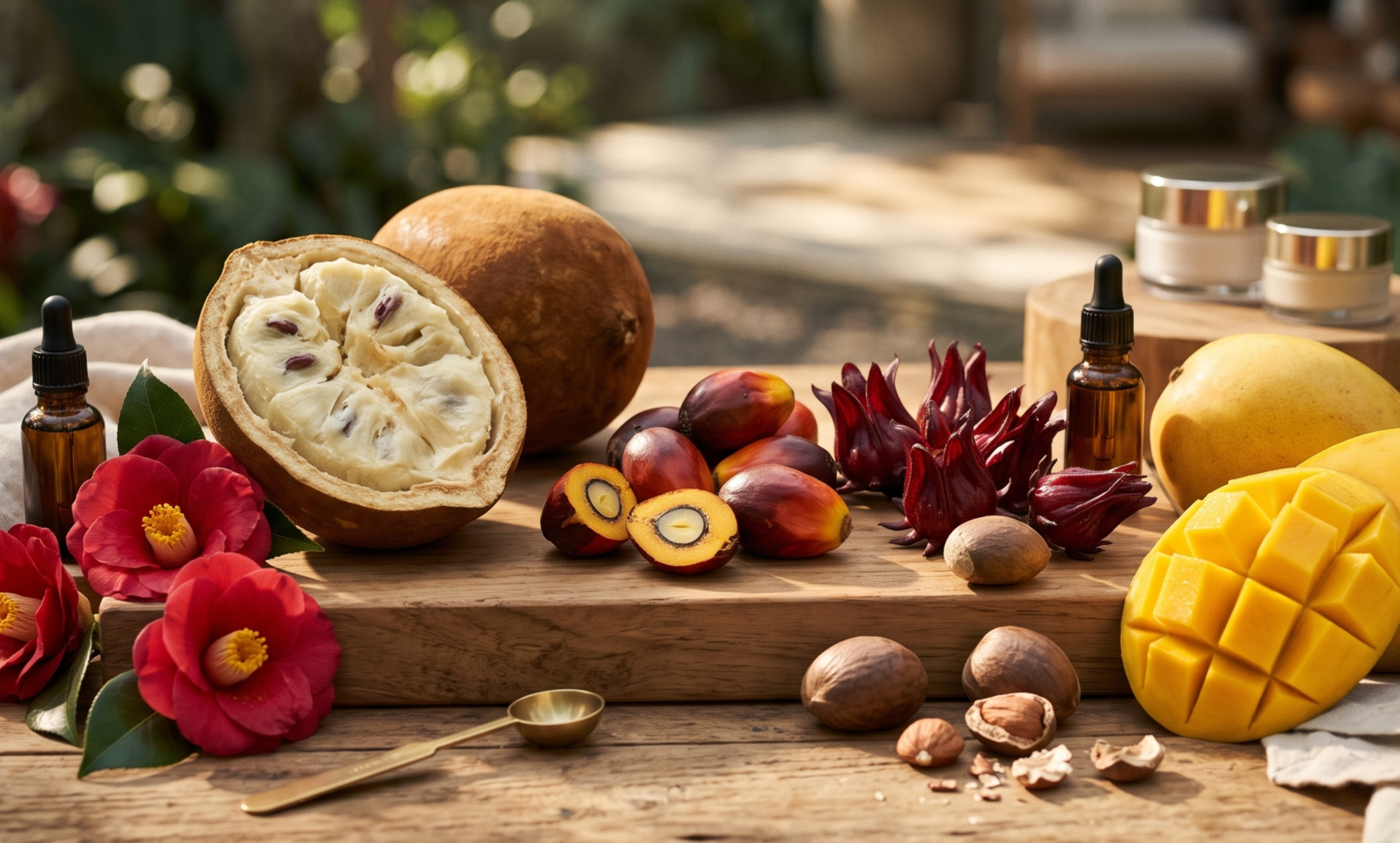
Luxury skincare brands consistently favor a short list of botanical oils and butters, including cupuaçu butter, sugarcane-derived squalane, batana oil, tsubaki (camellia) oil, kukui nut oil, hibiscus seed oil, and mango butter. Each ingredient earns its place through performance: matching the skin's natural lipid structure, stabilizing formulas, delivering antioxidants, or supporting moisture retention without added weight.
Walk down the ingredient list of almost any high-end skincare or haircare product, and the same handful of plant oils and butters keep showing up. That is not a coincidence. These botanicals earn their place in premium formulas because they perform, not because they sound exotic.
Below are seven of the most sought-after oils and butters in luxury beauty right now, where they come from, and the science behind why formulators reach for them again and again.
01. Cupuaçu Butter
Cupuaçu butter comes from the seeds of theobroma grandiflorum, a cacao relative that grows in the Amazon rainforest. It has become a staple in body butters, hand creams, and lip treatments across both prestige and clean beauty shelves. Brazil-based brand Sol de Janeiro built much of its body-care line around the ingredient, and it shows up in formulas from The Body Shop to Fresh.
The appeal comes down to chemistry. Cupuaçu butter is rich in phytosterols, plant compounds that help the skin hold onto moisture and support collagen. It also helps stabilize emulsions, which improves how well other ingredients in a formula perform. Its fatty acid profile allows it to absorb water at several times its own weight, which is part of why it feels so effective on dry, dehydrated skin.
Halik uses cupuaçu butter in the Bayabas Nourishing Face Cream and the Paradise Whipped Body Butter, where it works alongside açaí and shea to support long-lasting hydration.
02. Sugarcane-Derived Squalane
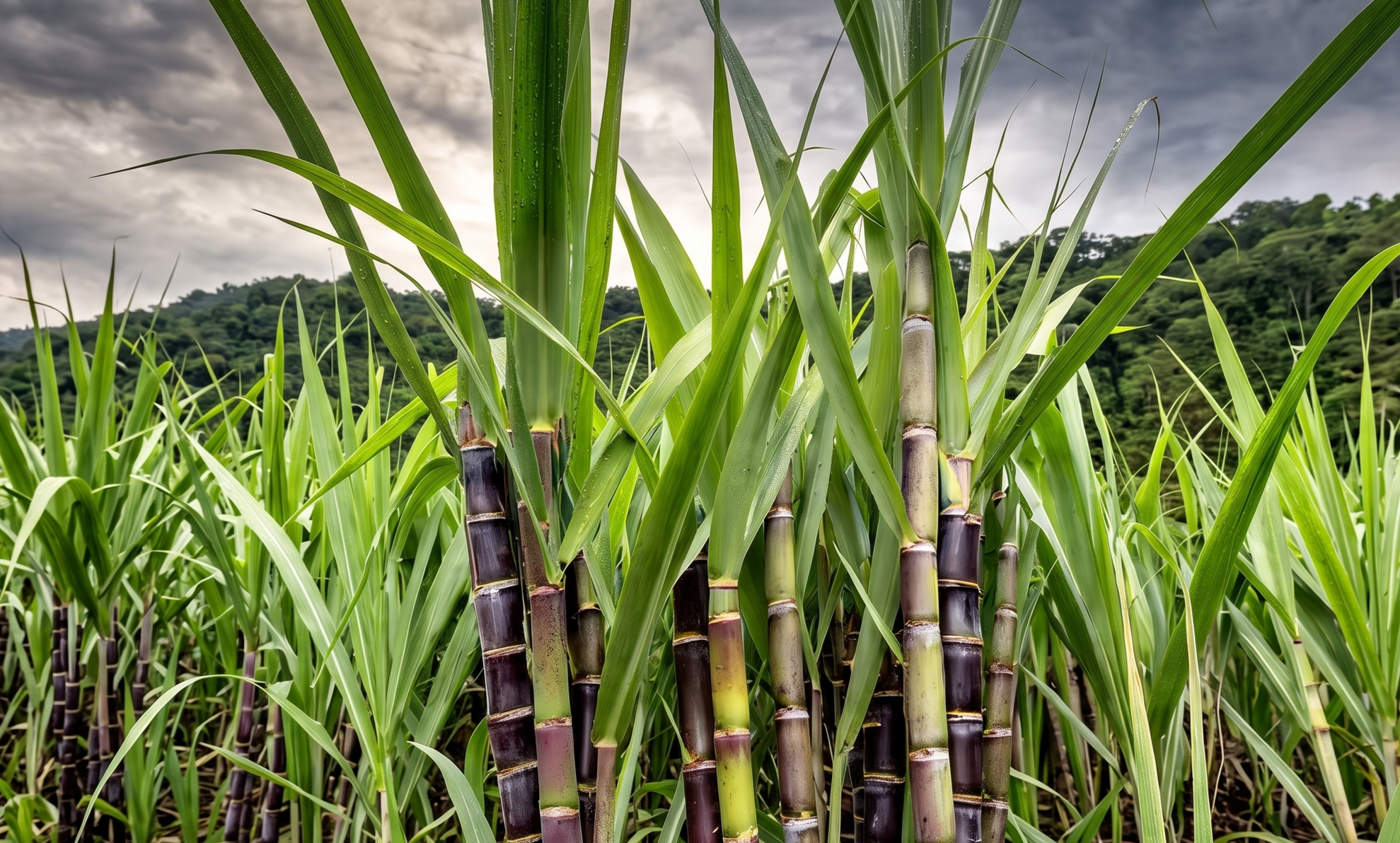
Squalane is one of the most talked-about ingredients in skincare, and for good reason. It closely mirrors the lipids already present in human skin, so it absorbs quickly and leaves no greasy residue. Squalane used to come primarily from shark liver oil, an unsustainable and ethically fraught source. Sugarcane-derived squalane uses far less land and produces far less waste than plant alternatives like olive-derived squalane, and it has become the standard for brands prioritizing sustainability.
Biossance built its entire identity around this switch, sourcing its squalane from Brazilian sugarcane and positioning it as the hero ingredient across its line. The brand has become known for the range of hydrating products powered by this plant-based antioxidant.
Halik uses sugarcane-derived squalane in the Bayabas Nourishing Face Cream, Island Body Lotion, and the Sampaguita Anti-Aging Face Oil, where it helps replenish the moisture barrier without adding weight.
03. Batana Oil
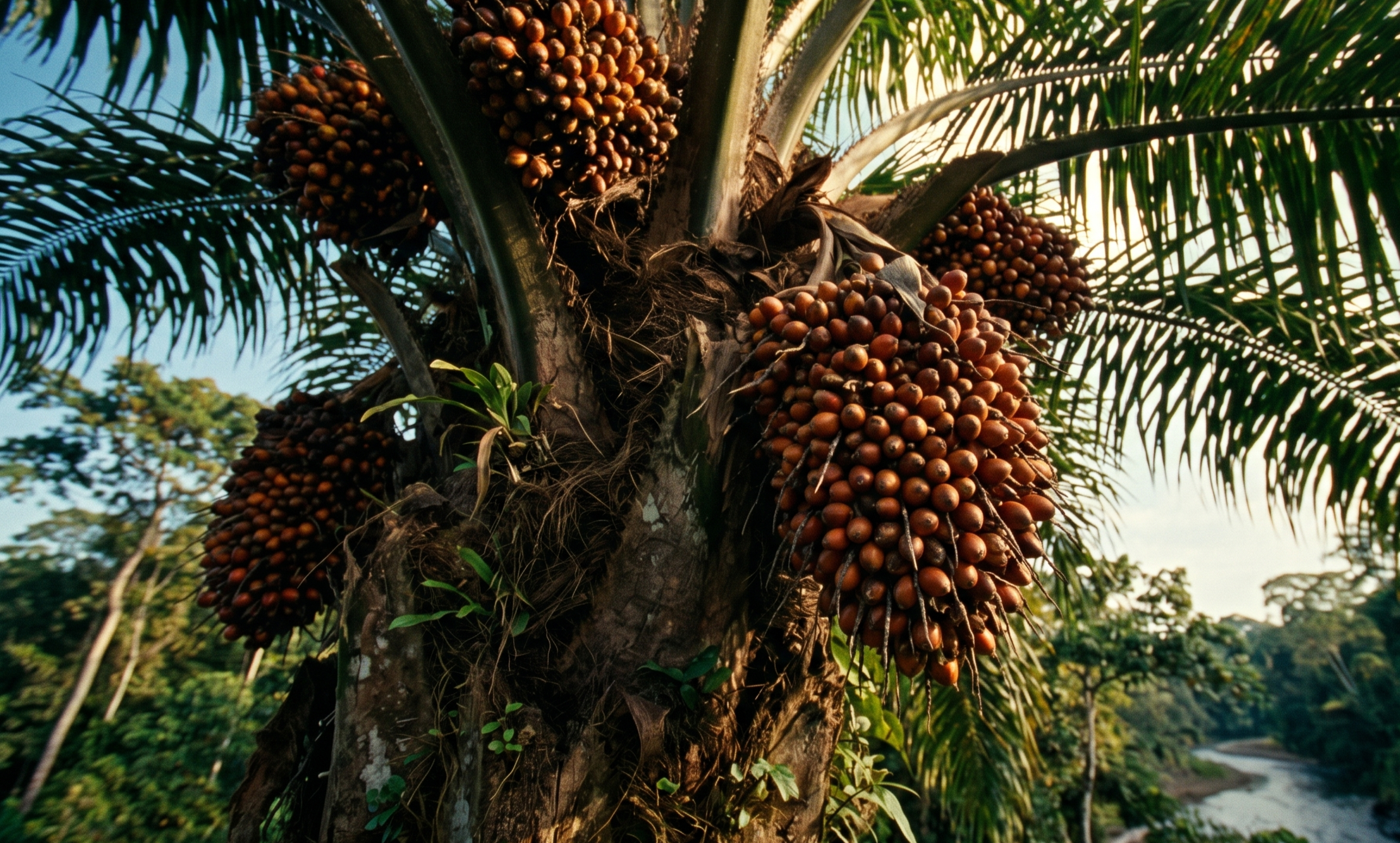
Batana oil comes from the nut of the American oil palm, elaeis oleifera, and is traditionally extracted by the Miskito people of La Moskitia, Honduras. The Miskito are sometimes referred to as the people of beautiful hair, a nod to generations of using the oil for strength and shine. Traditional practices include applying the oil directly to the scalp, using it to protect hair from sun and saltwater, and strengthening strands before protective styling.
The oil has moved from a regional secret to a global hair-care staple, with UK and US brands now importing it directly from Honduran communities. It is prized for its ability to penetrate the hair shaft, condition deeply, and restore shine to dry or brittle strands.
Halik's Restorative Hair & Scalp Oil is built around batana oil, paired with pumpkin seed oil and bamboo extract to support strand strength and scalp circulation.
04. Tsubaki (Camellia) Oil
Tsubaki oil is pressed from the seeds of the Japanese camellia flower and has anchored Japanese hair care for centuries. Shiseido built one of its most recognizable lines, Tsubaki, entirely around camellia seed oil, cold-pressed on Oshima Island and engineered for smoother, stronger hair. The oil is rich in oleic acid and has a molecular profile remarkably close to the natural sebum the scalp produces, which is why it absorbs cleanly instead of sitting on the surface.
That resemblance to the hair's own oils is exactly why formulators favor it. Rather than coating the strand, tsubaki oil integrates with what is already there, delivering shine without buildup.
Halik uses tsubaki oil in the Gugo Smoothing Conditioner, where it pairs with meadowfoam seed oil to soften and smooth fine to medium hair textures.
05. Kukui Nut Oil
Kukui nut oil comes from the candlenut tree, indigenous to Hawaii and the wider Pacific, where it has been used for centuries for skin protection and healing. The oil is valued for its Omega-3 and Omega-6 fatty acids, along with vitamins A, C, and E, which together support skin firmness, calm irritation, and defend against free radical damage.
Its texture is what sets it apart from heavier plant oils. Kukui nut oil has a naturally light, silky feel, which makes whipped butters and body formulas feel less heavy without sacrificing nourishment. That same lightness makes it a favorite for hair oils, since it adds shine without weighing down finer textures.
Halik uses kukui nut oil in the Island Body Lotion, as well as the Paradise Whipped Body Butter, where it works alongside cupuaçu, mango, and açaí to soften and calm dry, stressed skin.
06. Hibiscus Seed Oil
Hibiscus has earned the nickname nature's botox in the beauty press, a claim tied to its natural AHAs and its role in supporting elastin. Skincare experts credit hibiscus with helping to minimize the look of fine lines, reduce irritation, and keep skin plump and hydrated. The flower shows up across prestige serums, toners, and eye treatments, often paired with other brightening botanicals.
It is worth noting that nature's botox is a nickname, not a clinical equivalence. Hibiscus seed oil supports smoother texture and a more even tone over time through gentle exfoliation, rather than relaxing muscle activity the way injectable botox does. Formulators position it as comparable in tolerability to more aggressive actives, not as a direct substitute.
Halik uses hibiscus seed oil in the Sampaguita Anti-Aging Face Oil and the Restorative Hair & Scalp Oil, where it supports skin tone and hair strength respectively.
07. Mango Butter
Pressed from the kernel of the mango fruit, mango butter is a quieter workhorse compared to some of its Amazonian and Pacific counterparts, but it shows up constantly in lip balms, body butters, and hair creams for one simple reason: it works. Mango butter is dense with vitamins A, C, and E, and its texture melts on contact rather than sitting as a heavy film.
That balance of richness and lightness makes it a natural pairing partner. Luxury lip and body formulas frequently combine mango butter with heavier butters like shea or cocoa to round out texture while keeping the finish soft rather than waxy.
Halik uses mango butter in the Halik Lip Balm and the Paradise Whipped Body Butter, where it softens and protects without leaving a greasy residue.
Why These Ingredients Keep Showing Up
None of these botanicals are trendy for the sake of being trendy. Each one solves a specific formulation problem, whether that is matching the skin's own lipid structure, stabilizing a texture, or delivering antioxidants without weight. That is the real reason luxury brands keep returning to the same short list of oils and butters. They perform, batch after batch, on skin and hair that expects results.
FAQ
-
Oils are liquid at room temperature, while butters like shea, cupuaçu, and mango are solid or semi-solid until they melt on contact with skin. Butters tend to sit closer to the surface for richer, more occlusive hydration, while oils absorb faster and layer more easily under other products.
-
Sugarcane-derived squalane is considered one of the most sustainable and consistent sources available today, since it avoids the environmental and ethical concerns tied to shark-derived squalene and uses less land than some plant alternatives.
-
No. The nickname refers to its support for skin elasticity and texture through natural exfoliation, not to any muscle-relaxing effect. It is a gentle, gradual botanical, not a clinical treatment.
-
Batana oil is traditionally hand-extracted by the Miskito people of the La Moskitia region of Honduras, using a process passed down through generations. That origin and craft are a large part of why the oil carries such cultural and quality significance in hair care.
About Halik
Halik is a clean, premium skincare brand inspired by Filipino botanicals and the healing power of natural ingredients. All Halik products are formulated without parabens, PEGs, phthalates, silicones, sulfates and synthetic fragrances.
Related Reading