Ingredient Spotlight: Papaya Oil, the Heritage Botanical Behind Brighter, More Even Skin
Papaya seed and leaf oil have been used in Filipino skincare for generations. The papain enzyme gently exfoliates dead skin cells while vitamin C, carotenoids, and flavonoids provide antioxidant defense that supports a brighter, more even complexion over time. Unlike hydroquinone, which the FDA has linked to side effects including ochronosis, papaya oil works gradually through the skin's own renewal processes rather than suppressing melanin production directly.
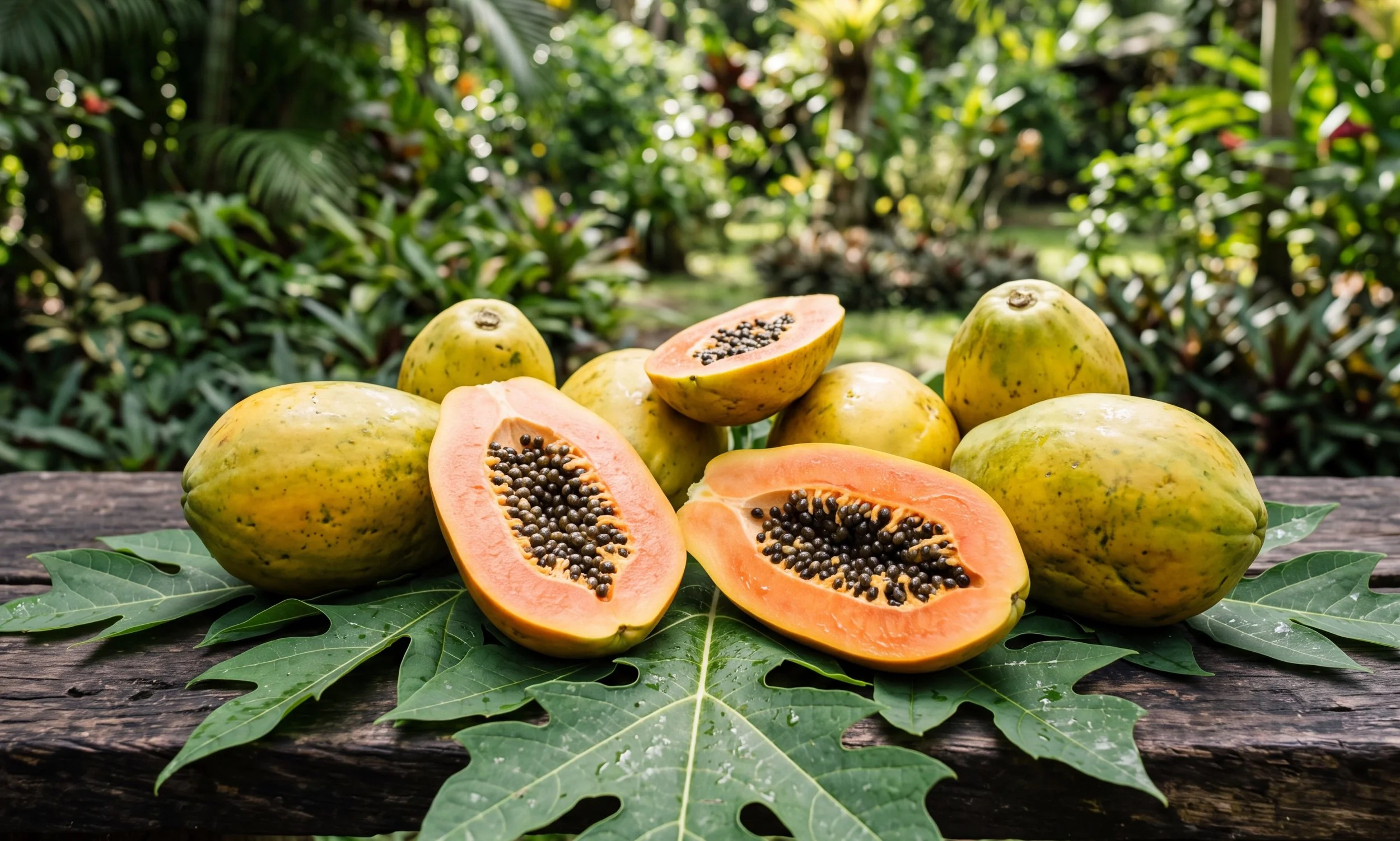
Papaya has lived in Filipino homes for generations, sliced for breakfast and pressed into soap by the sink. Its seed and leaf oil carry papain, vitamin C, carotenoids, and flavonoids, a botanical combination that supports gentle exfoliation and antioxidant defense against dullness and uneven tone. This spotlight breaks down what the science actually shows, how papaya oil compares to harsher lightening chemicals, and why Halik built it into the Sampaguita Anti-Aging Face Oil.
A Fruit Woven Into Filipino Life
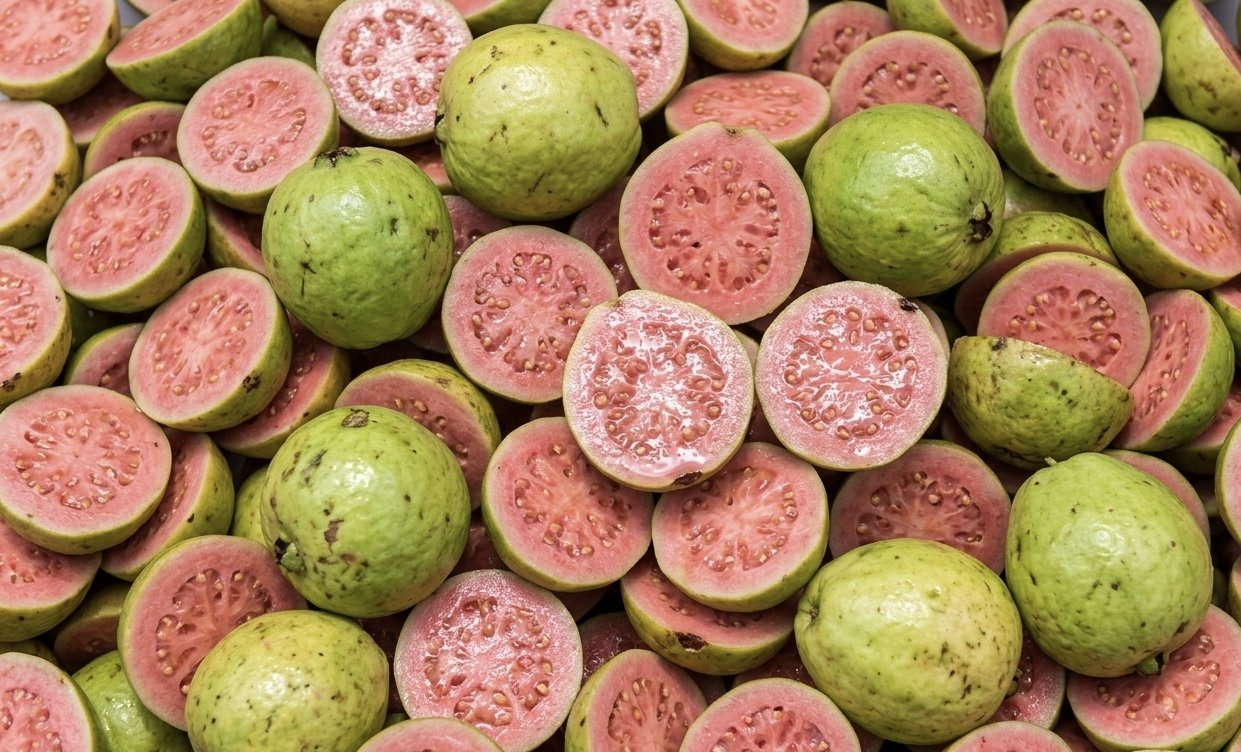
Long before papaya oil appeared in a dropper bottle, the fruit itself sat on Filipino breakfast tables, cut into wedges and eaten plain. Spanish traders brought papaya to the Philippines in the 1500s, and it settled into daily life fast, first recorded in local kitchens as a natural meat tenderizer for tough cuts.
From there, papaya moved well beyond the kitchen. Its uses across Filipino households spanned generations:
Wound and skin care. The unripe fruit, sap, and leaves were applied to minor cuts, burns, and skin irritation as a folk remedy, valued for their soothing, cleansing properties.
Fever support. Boiled papaya leaf tea became a well-known home remedy during fevers and dengue season, a practice still common in many Filipino households today. This use is widely recognized in traditional medicine, though it functions as folk practice rather than a clinically established treatment.
Digestive aid. Papaya's natural enzymes made it a go-to fruit for easing digestion after heavy meals, eaten fresh or paired with rice.
Bath and beauty rituals. Over time, papaya found its way into bar soap, becoming a fixture in Filipino bathrooms and passed down as a household staple associated with clearer, more even skin.
That everyday familiarity is part of why papaya still shows up in conversations about brightening dull skin. But familiarity alone does not explain what the ingredient does. To understand papaya's real value in a face oil, it helps to look at what is actually inside the seed and the leaf, and what current research says about how those compounds behave on skin.
01. Papain: A Gentle, Enzymatic Exfoliant
Papaya seed oil and leaf extract both carry papain, a proteolytic enzyme that breaks down the protein bonds holding dead skin cells together. Unlike a physical scrub, papain works without friction or abrasion. It loosens the buildup on the skin's surface so dull, thickened cells shed more evenly, revealing fresher skin underneath.
This matters for tone and texture because a slower cell turnover cycle lets dead cells linger, which flattens light reflection and makes skin look tired. Regular, gentle exfoliation keeps that cycle moving, so the skin surface stays smoother and catches light more evenly.
It is worth being precise here. Papain does not bleach or chemically alter melanin the way a skin-lightening drug does. Its role is closer to renewal: it clears away the surface cells that make skin look dull, so a more even complexion has room to show through.
02. Vitamin C, Carotenoids, and Antioxidant Defense
Papaya seed and leaf carry a dense concentration of vitamin C, beta-carotene, and flavonoids. These compounds work as antioxidants, neutralizing the free radicals generated by UV exposure and pollution before that oxidative stress can trigger uneven pigment production.
Vitamin C in particular plays a documented role in melanin regulation. Ascorbic acid interferes with the tyrosinase pathway, the enzymatic process responsible for producing excess pigment in response to sun damage or inflammation. A 2025 cosmeceutical review of Carica papaya in the International Journal of Scientific Research and Technology found that papaya's combination of papain, vitamin C, flavonoids, and phenolic compounds works through several mechanisms at once, including reduced oxidative stress, inhibited melanogenic enzyme activity, and encouraged epidermal turnover.
That review is careful to note the limits of the current evidence. Most available data comes from in vitro and animal studies rather than large human clinical trials, and different extraction methods produce inconsistent concentrations of active compounds across studies. Papaya shows real, mechanistically grounded promise for supporting a brighter, more even complexion. It has not been established as a clinically verified substitute for prescription-strength treatments, and any brand claiming otherwise is getting ahead of the science.
03. Beyond Brightening: What Papaya Oil Also Offers Skin
Papaya oil brings benefits that extend past tone. The fatty acid profile in the seed oil, rich in oleic and linoleic acids, helps replenish the skin's moisture barrier without leaving a heavy residue. The same antioxidant compounds that guard against oxidative dullness also help calm the low-grade inflammation that follows breakouts or sun exposure, which is part of why papaya has long been paired with acne-prone and post-blemish skin. For skin that feels tired, uneven, and undernourished all at once, papaya oil addresses more than one concern in a single botanical.
Why We Chose It
Heritage: Papaya's place in Filipino skincare goes back centuries, from kitchen tables to the soap dish. Bringing papaya seed and leaf oil into a Halik formula honors that lineage rather than treating it as a passing trend.
Health: Halik formulates every product without hydroquinone, mercury, or other harsh depigmenting agents linked to skin damage. Papaya oil offers a bio-compatible way to support a brighter, more even look without introducing that risk to the skin's barrier or the body's broader health.
Harmony: Papaya asks nothing of the skin that the skin cannot already do. It supports the body's own renewal cycle and its own antioxidant defenses, rather than overriding them. That is the kind of partnership between skin and botanical that sits at the center of the Halik philosophy.
Papaya Oil vs. Hydroquinone: What the Safety Data Shows
Hydroquinone remains the most widely recognized skin-lightening ingredient in dermatology, and it does have a legitimate, supervised clinical use. The FDA currently allows hydroquinone in only one approved prescription drug, used short-term for melasma under a doctor's care. Outside that narrow use, the FDA has issued repeated warnings about over-the-counter products containing hydroquinone, citing reports of skin rashes, facial swelling, and ochronosis, a discoloration of the skin that can become permanent with continued use. Hydroquinone is also banned from over-the-counter sale across Europe, Japan, and Australia.
Papaya oil works through a different mechanism entirely. It does not suppress pigment production the way a drug does. Instead, it supports the skin's own exfoliation and antioxidant processes to reduce the appearance of dullness and unevenness over time. That means slower, more gradual results, but it also means avoiding the irritation, sensitivity, and rebound discoloration that can come with harsher lightening agents. For anyone looking to support a brighter complexion without the risks tied to hydroquinone, papaya oil offers a botanical alternative worth understanding on its own terms, not as a drop-in replacement with identical speed or strength.
The Halik Ritual: Sampaguita Anti-Aging Face Oil
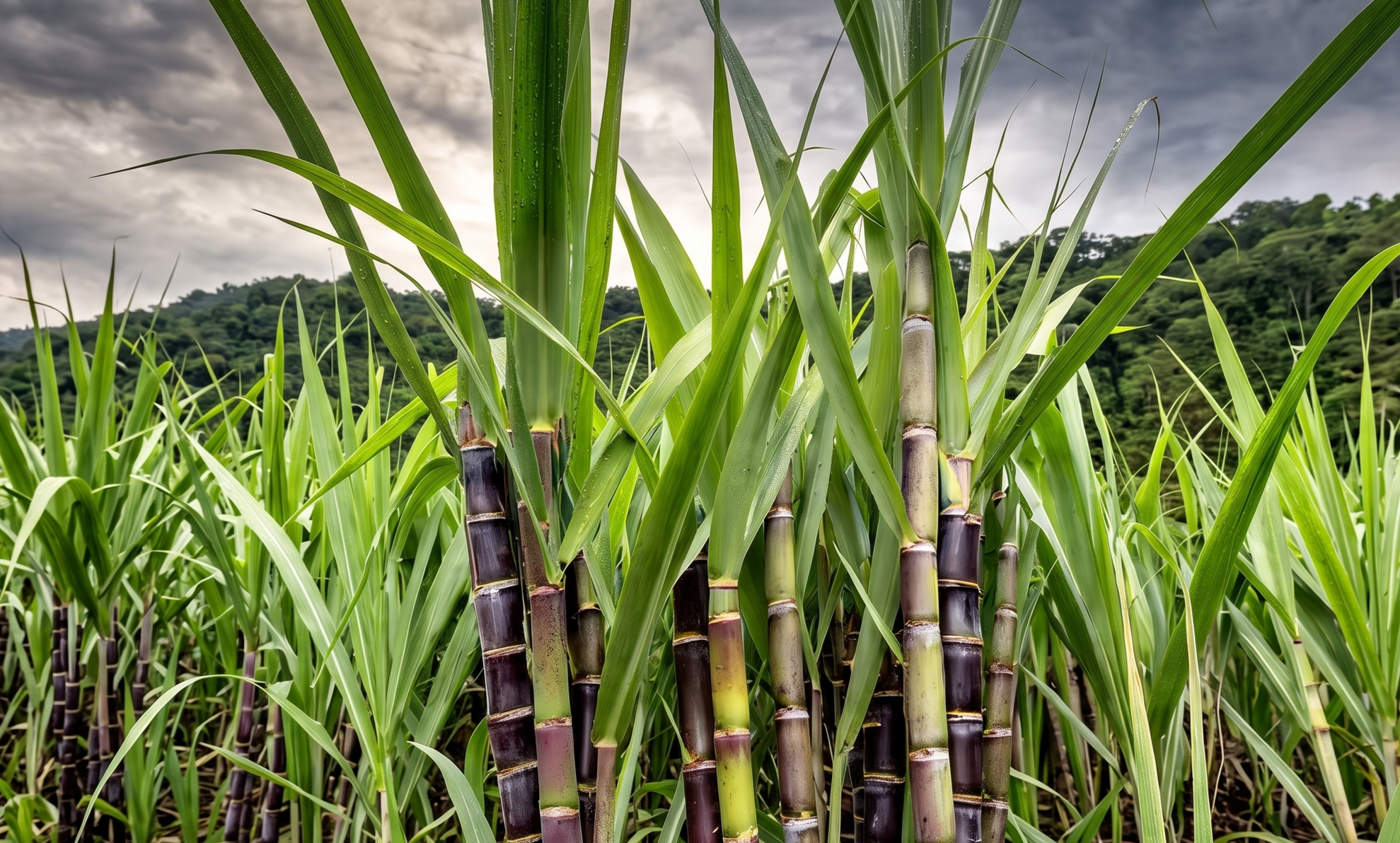
Papaya seed and leaf oil are part of what makes the Sampaguita Anti-Aging Face Oil work. Paired with sacred frankincense, sampaguita flower extract, hibiscus seed oil, and sugarcane-derived squalane, papaya contributes its exfoliating and antioxidant properties to a formula built around cell turnover, collagen support, and a firmer, more luminous complexion. Applied as the final step of an evening face ritual, it lets papaya's gentle renewal work overnight, alongside skin's own repair cycle.
A kiss from Mother Earth, full of love.
FAQ
-
No. Papaya oil does not bleach or suppress melanin production the way hydroquinone does. It supports gentle exfoliation and antioxidant defense, which can reduce the appearance of dullness and uneven tone over time, but it works through a different, gradual mechanism.
-
Papain is an enzyme that breaks down the protein bonds holding dead skin cells together. It clears dull, thickened surface cells so a more even complexion has room to show through, rather than chemically altering existing pigment.
-
Papaya seed oil is generally well tolerated, though anyone with a known sensitivity to papain or latex-related proteins should patch test before regular use. As with any active botanical, introducing it gradually helps the skin adjust.
-
Botanical exfoliants and antioxidants work more gradually than prescription depigmenting agents. Most people notice a difference in surface texture and radiance with consistent use over several weeks, with continued improvement over months.
-
Yes, papaya oil generally layers well with other brightening or renewing ingredients. Introduce new actives one at a time and watch for irritation, since combining multiple exfoliating ingredients can increase sensitivity.
About Halik
Halik is a clean, premium skincare brand inspired by Filipino botanicals and the healing power of natural ingredients. All Halik products are formulated without parabens, PEGs, phthalates, silicones, sulfates and synthetic fragrances.
Related Reading