What Is Squalane, and Why Is Sugarcane-Derived Better?
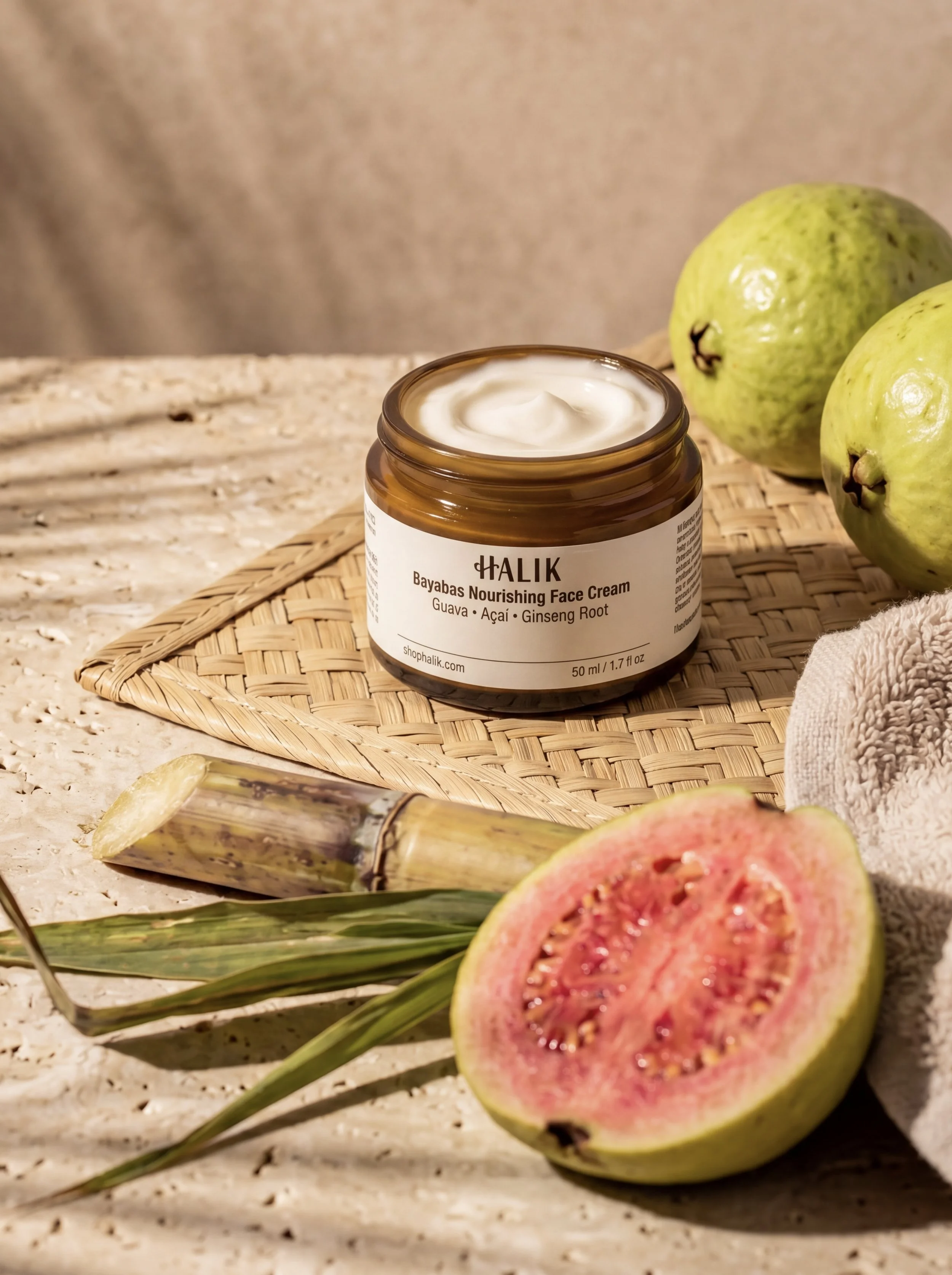
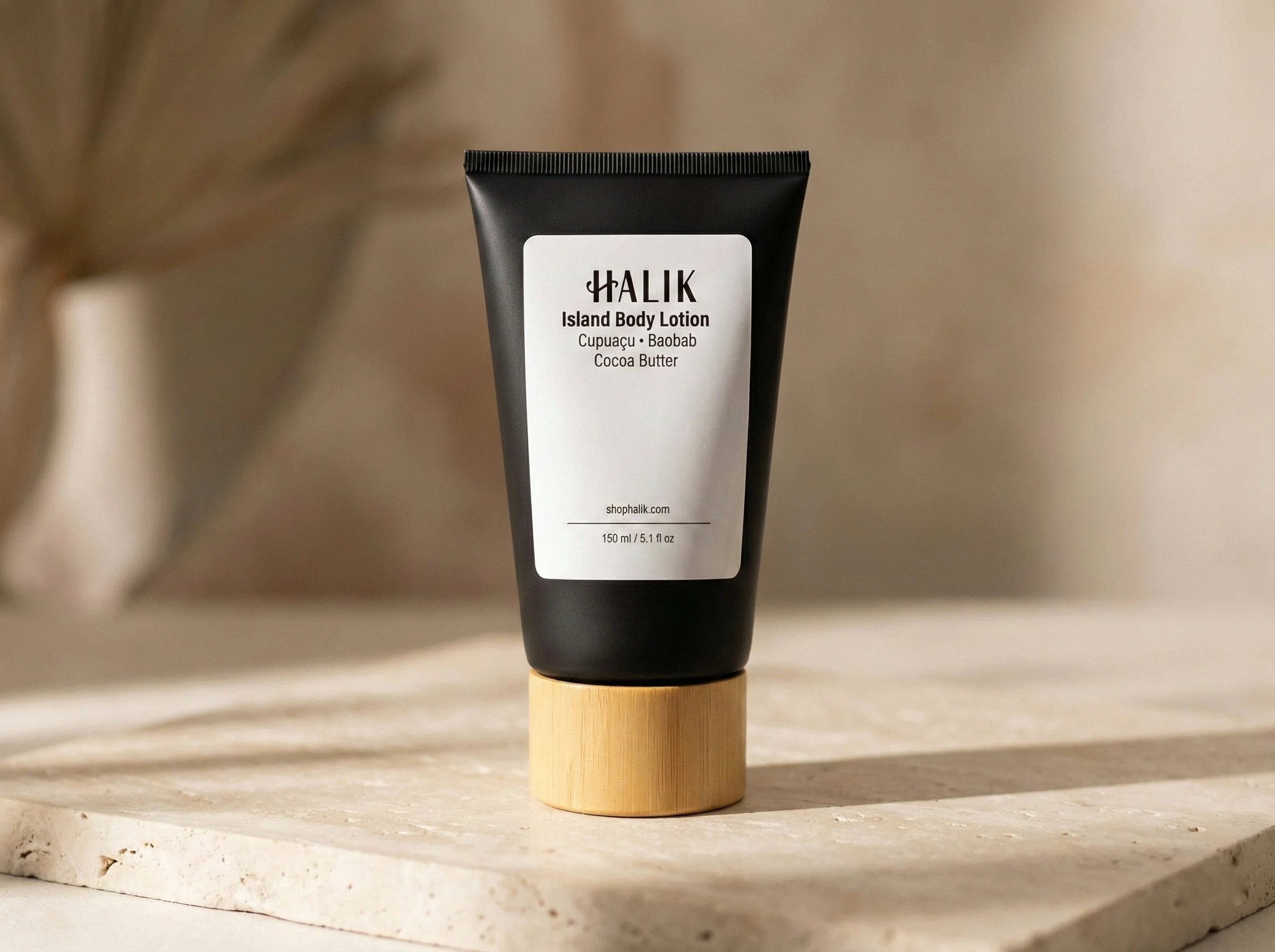
Squalane is the stable, hydrogenated form of squalene, a lipid naturally found in skin. First identified in shark liver in 1906, squalane sourcing shifted to olive oil after the EU's 2009 shark-derived ban, and more recently to sugarcane. Halik formulates with sugarcane-derived squalane because it offers a more consistent yield, uses fewer resources to grow, and avoids the sustainability concerns tied to older sourcing methods. It appears in Halik's Bayabas Nourishing Face Cream, Sampaguita Anti-Aging Face Oil and Island Body Lotion.
Squalane shows up on a lot of ingredient lists. Serums, oils, creams, even lip balms lean on it. But most labels never explain where it comes from, or why that origin matters. Here is what squalane actually is, where it began, and why the source behind it deserves your attention.
Squalane Starts With Squalene
Your skin already makes something called squalene. It comes from your sebaceous glands and makes up roughly 10–12% of your skin's natural oil. Squalene keeps skin soft, smooth, and protected from daily stressors, and it plays a real role in your skin's moisture barrier.
The catch is stability. Squalene is an unsaturated molecule, which means its structure holds several double bonds. Those double bonds oxidize quickly once squalene meets air, and that breakdown shortens shelf life and can irritate sensitive skin over time. For decades, that instability kept pure squalene out of most formulas.
Squalane solves the problem. It is the hydrogenated, fully saturated version of squalene, meaning hydrogen atoms are added to fill in those unstable double bonds. That single chemical change makes squalane far more resistant to oxidation, without losing the moisturizing properties that made squalene worth using in the first place. The result mimics skin's own lipids closely, absorbs fast, and sits lightweight on the surface. Research has also pointed to real antioxidant activity, with studies showing squalane can help counteract UV-related oxidative stress and support collagen production in skin cells. It works for dry skin and oily skin alike, since it hydrates without clogging pores.
A Brief History, and Why It Matters
Squalene was first identified in 1906 by Japanese chemist Mitsumaru Tsujimoto, who isolated it from the liver oil of deep-sea sharks. For most of the twentieth century, shark liver stayed the dominant commercial source, since shark livers can hold an extraordinarily high concentration of the compound.
That reliance came at a steep cost. Deep-sea shark populations declined sharply as demand for squalane grew, and conservation groups have linked the cosmetics industry directly to those losses. The European Union banned shark-derived squalane in cosmetics in 2009, and the practice is now widely viewed as obsolete. Today, plant- and fermentation-based squalane accounts for the overwhelming majority of global supply. Understanding that history helps explain why sourcing, not just the finished molecule, still matters so much.
Why Where Squalane Comes From Still Matters
Once fully processed, squalane is chemically the same molecule no matter the source. But getting there looks very different depending on where the raw material starts, and that difference shows up in consistency, purity, and impact.
Olive oil became the standard replacement after the shark-liver ban, and it remains the most established plant source today. Olives naturally contain a small amount of squalene, and it can be recovered as a byproduct of olive oil refining at scale. But olives yield only a modest concentration of squalene relative to their oil content, and that yield shifts from harvest to harvest depending on weather, region, and crop conditions. The result is a supply chain that can vary in quality and reliability from one season to the next.
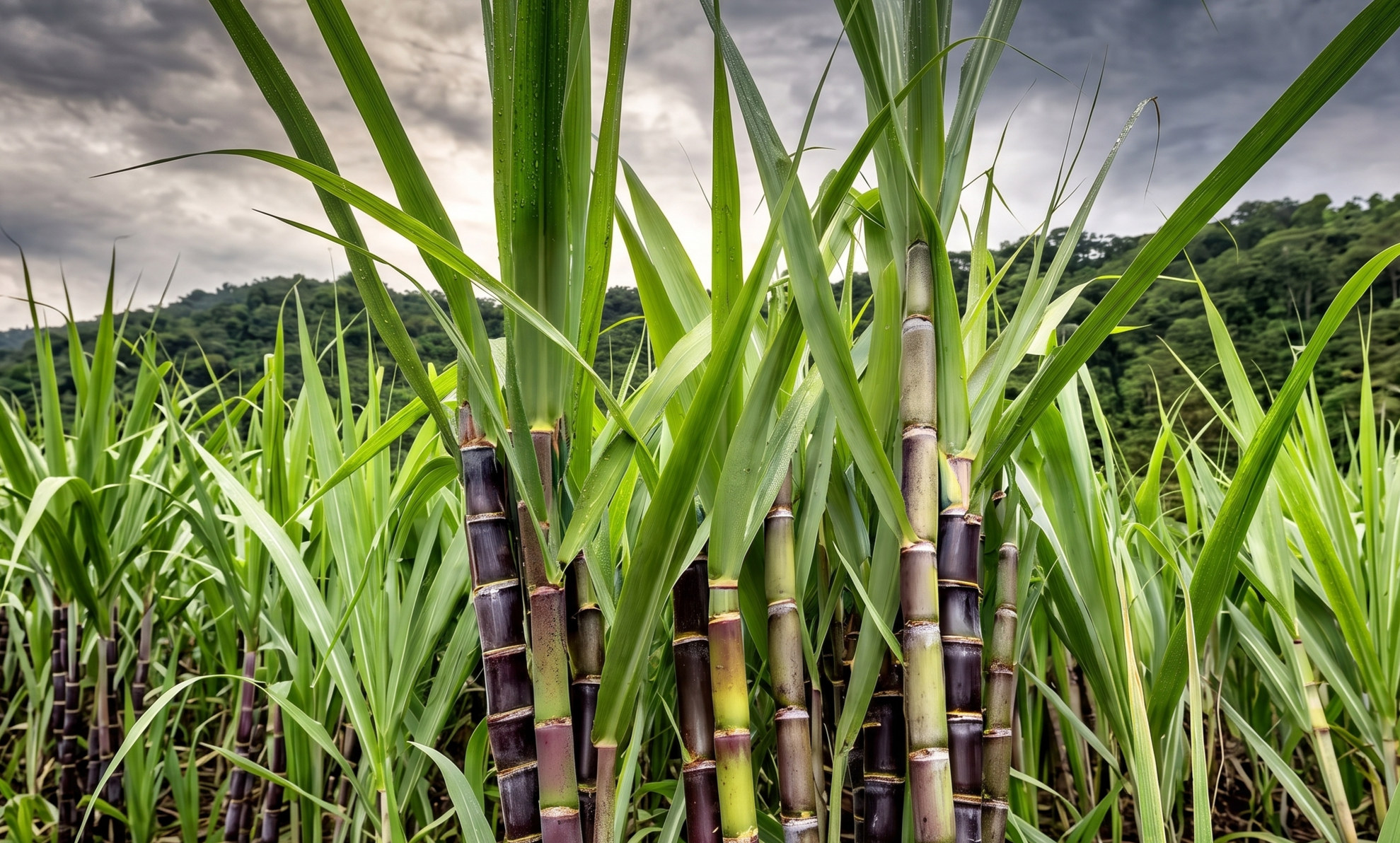
Sugarcane-derived squalane approaches the problem differently. Rather than pressing the compound from a fruit crop, producers ferment sugarcane-derived sugars to generate squalene through biotechnology, then hydrogenate it into squalane. Sugarcane grows abundantly, ferments efficiently, and delivers a more consistent yield than olives can offer, batch after batch. That consistency translates into a purer, more predictable finished ingredient.
Sugarcane cultivation also tends to ask less of the land. Fermentation-based production uses less water than olive cultivation and sidesteps the cyclical shortages tied to a single growing season. Industry sourcing experts have pointed to this same reliability, noting that olives remain a more climate-dependent crop, while sugarcane offers steadier quality and supply. For a brand formulating with intention, that reliability is not a minor detail. It is the difference between an ingredient you can trust every time and one you have to double-check every season.
This is why Halik formulates with sugarcane-derived squalane rather than the olive or shark-liver alternatives still found elsewhere in the industry. It is bio-compatible with skin, endocrine-safe, and sourced through a process that respects both the ingredient and the ecosystem it comes from.
Reading the Label
On an ingredient list, squalane appears simply as "squalane," regardless of its source. The INCI name does not disclose sugarcane, olive, or shark origin on its own, which is exactly why sourcing transparency from the brand matters. If a label or product page does not specify where its squalane comes from, that absence is worth noticing.
Where You'll Find It in Halik Formulas
Sugarcane-derived squalane anchors two products in the Halik lineup, each using it for a slightly different purpose.
The Bayabas Nourishing Face Cream uses it to seal in hydration while mirroring the skin's own lipid structure. It works alongside guava seed oil, açaí stem cells, ginseng root, and a ceramide complex, with squalane helping the formula absorb without weight and support the skin barrier from within.
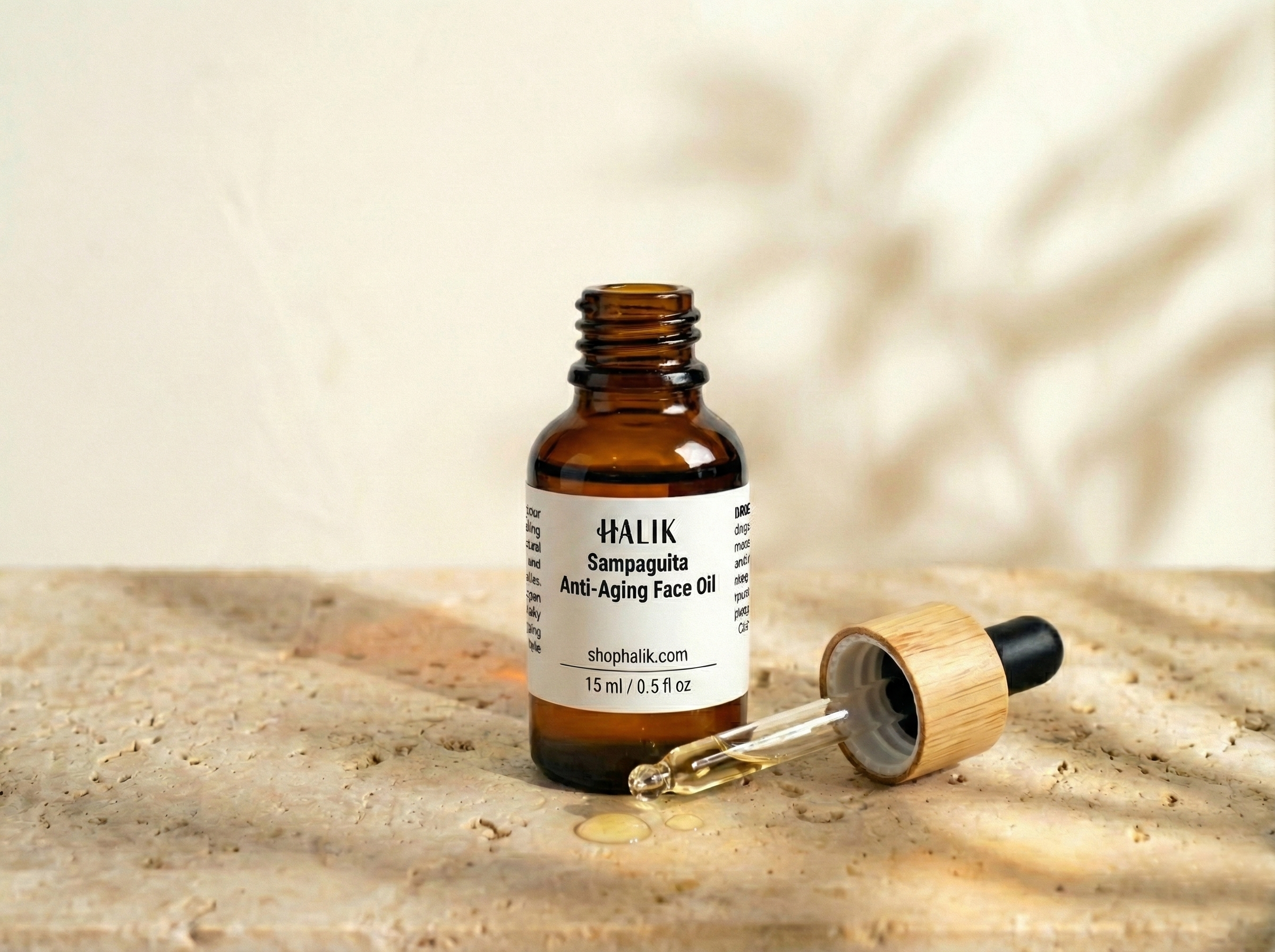
The Sampaguita Anti-Aging Face Oil also relies on sugarcane squalane, pairing it with sacred frankincense, sampaguita, papaya oil, and hibiscus seed oil. Here, squalane helps carry the formula's other actives while supporting collagen production and neutralizing the free radicals that contribute to premature aging.
The Island Body Lotion brings squalane into the body care lineup. Paired with cupuaçu butter, cocoa butter, kukui nut oil, and hydrolyzed baobab protein, squalane helps the lotion absorb quickly across larger areas of skin while reinforcing the moisture barrier from the first application.
Across all three formulas, squalane does its work quietly. It absorbs fast, locks in moisture, and never leaves skin feeling heavy or coated.
FAQ
-
Squalane is the hydrogenated, stable form of squalene, a lipid your skin already produces. It moisturizes without clogging pores and works well across skin types.
-
No. Squalene is the naturally occurring, unsaturated form found in skin and plants. Squalane is squalene after hydrogenation, which makes it more stable and longer-lasting on skin.
-
Squalene was first identified in 1906 in shark liver oil, and shark liver stayed the primary commercial source for decades. The European Union banned shark-derived squalane in cosmetics in 2009, which pushed the industry toward plant-based alternatives like olive oil and sugarcane.
-
Sugarcane offers a more consistent squalene yield than olives, uses fewer resources to grow, and avoids the ethical and ecological concerns tied to shark liver sourcing. It gives us a purer, more reliably sourced ingredient in every batch.
-
Squalane is considered non-comedogenic, meaning it is formulated to absorb into skin without clogging pores. That makes it suitable for oily, combination, dry, and sensitive skin types alike.
About Halik
Halik is a clean, premium skincare brand inspired by Filipino botanicals and the healing power of natural ingredients. All Halik products are formulated without parabens, PEGs, phthalates, silicones, sulfates and synthetic fragrances.
Related Reading