
Natural vs. Chemical Flea and Tick Prevention: What the Research Says About Neem and Cedarwood
Studies show neem oil kills 40–95% of fleas and ticks depending on concentration, and cedarwood oil (and its compound nootkatone) shows tick-repelling activity comparable to DEET in lab tests, but both fall short of the 99%+ efficacy of synthetic preventatives like fipronil and amitraz. Vets generally recommend natural botanicals as a complement to, not a replacement for, conventional flea and tick prevention, especially in high-risk tick areas.
Flea and tick season brings the same question to pet owners every year. Do natural ingredients like neem and cedarwood actually work, or is that a marketing story? The research gives a more nuanced answer than either side of the debate usually offers.
How Chemical Preventatives Work
Standard veterinary flea and tick products rely on synthetic acaricides, most commonly fipronil, amitraz, and newer isoxazoline compounds. These ingredients target the nervous systems of parasites directly, and the numbers back up why vets reach for them first. Products built on fipronil and amitraz caused at least 99% tick mortality across every concentration tested in a controlled comparison study. Speed matters too. One combination spot-on treatment reached full flea control by day 28 and held that level through day 35 of a trial period. That kind of consistency is why synthetic preventatives remain the default recommendation for dogs in high-risk tick areas.
What the Research Says About Neem Oil
Neem oil comes from the seeds of the neem tree, and it has a real, documented biological effect on parasites. The oil contains limonoids that act as insect growth regulators, and it has a history of use against mange mites, lice, and cattle ticks. That is not folklore. It is measurable pesticidal activity.
But the strength of that activity varies a great deal depending on concentration and species. In one controlled trial against the brown dog tick, neem oil and neem leaf extract killed between roughly 39% and 95% of ticks depending on concentration, well below the 99%-plus mortality of fipronil and amitraz. A separate human study on sand fleas found an even lower bar. A neem oil mixture killed only 40% of fleas, a rate well under what commercial flea preventatives typically achieve.
The practical takeaway from veterinary sources is consistent. Most vets recommend neem oil as a supplement to conventional prevention rather than a stand-alone solution, and pet owners relying on it alone should watch for parasites closely and consider periodic bloodwork for tick-borne disease. Neem still holds real value here. It works reliably as a repellent against biting insects including mosquitoes and fleas, and its antibacterial and antifungal properties make it a useful addition to a coat care regimen, even where it is not asked to do the heavy lifting alone.
What the Research Says About Cedarwood Oil
Cedarwood's story splits into two related but different compounds: the essential oil itself, and nootkatone, a specific molecule found in cedar and grapefruit.
Nootkatone has the stronger track record. It was registered by the EPA in 2020 as a natural repellent and pesticide, and laboratory and field studies show high efficacy against several tick species. In direct comparisons, nootkatone performed as well as DEET at matching concentrations, which is a notably high bar for a plant-derived compound to clear.
Cedarwood essential oil itself is more situational. Lab testing found the oil toxic to several hard tick species, though the degree of effect varied widely by species and exposure time, and cedarwood oil killed deer tick nymphs at concentrations roughly five times lower than what lone star ticks needed, with no measurable effect on lone star ticks at the shorter exposure window. Field performance tells a more cautious story than the lab data. Cedarwood oil-based products tested in real-world plots delivered only minimal tick knockdown, in the range of 5 to 24%, with residual suppression rarely exceeding 15% after two weeks. In short, cedarwood shows genuine repellent chemistry in a petri dish, but that does not always translate into the same protection outdoors.
Where Safety Fits Into the Comparison
"Natural" does not automatically mean risk-free, and this matters more for pets than for people. Concentrated essential oils are absorbed quickly through the skin, gut, lungs, and mucous membranes, and the higher the concentration, the greater the risk to the animal. Cats face a distinct concern here. Cats lack the liver enzyme glucuronyl transferase, which makes them far more sensitive to phenolic compounds found in many essential oils, and their grooming habits raise the odds of both skin and oral exposure.
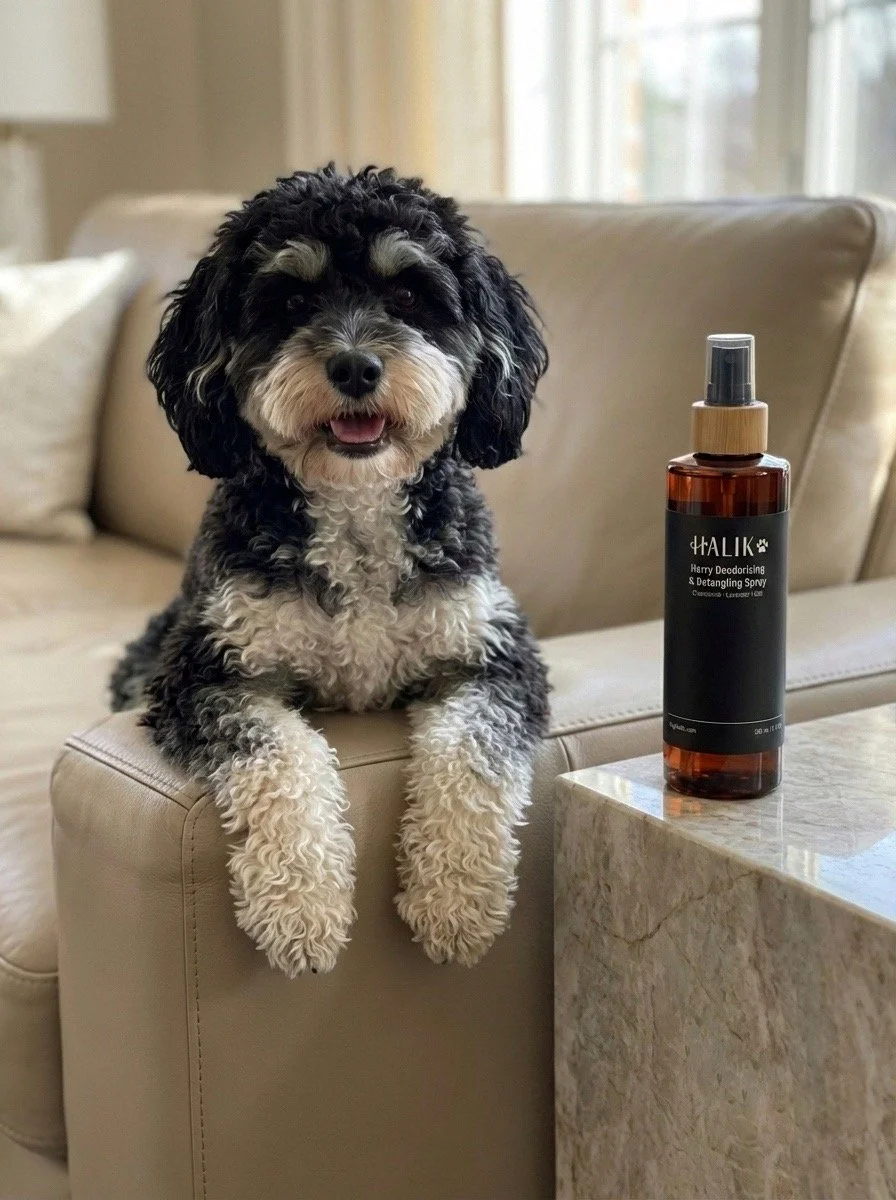
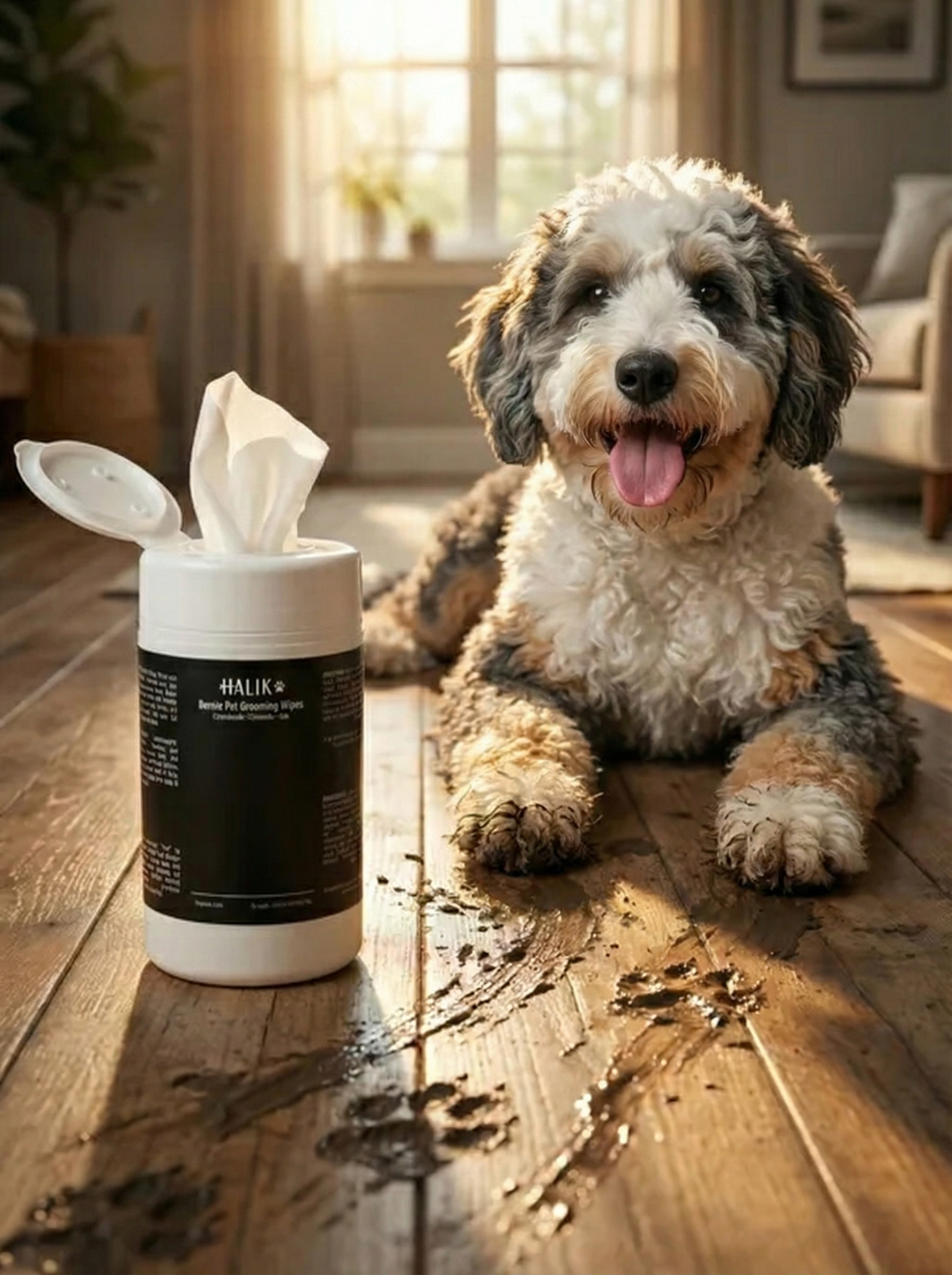
This is exactly why formulation matters. A well-diluted, professionally formulated product built around these botanicals looks nothing like applying raw essential oil to a pet's skin. Halik's Payson Dog Shampoo uses neem extract at a cleansing-safe concentration alongside colloidal oatmeal, and Harry Deodorizing & Detangling Spray and Bernie Grooming Wipes use cedarwood oil in a leave-in formula built for coat and skin, not concentrated spot application. Buggin' Out Insect Repellent, formulated for human skin, pairs cedarwood with citronella and peppermint at repellent-tested ratios rather than undiluted oil.
The Practical Answer
Neither camp tells the whole story on its own. Synthetic preventatives remain the most reliable option where tick-borne disease risk is real, particularly in wooded or high-exposure areas, and the mortality data above explains why vets default to them. Neem and cedarwood bring genuine, research-backed activity against fleas and ticks, but at meaningfully lower and more variable rates. They work best as a supporting layer, added to a grooming regimen for their antimicrobial and coat benefits, rather than as the sole line of defense in high-risk seasons or regions.
FAQ
-
Research shows real but limited effectiveness. Neem oil and leaf extract have killed between 40% and 95% of fleas and ticks depending on concentration and species, compared to 99% or higher for fipronil and amitraz. Most veterinary guidance recommends pairing it with conventional prevention rather than using it alone.
-
Lab studies confirm cedarwood oil has measurable toxicity against several tick species, and nootkatone, a related compound, performs on par with DEET in direct comparisons. But field testing of cedarwood-based products has shown much weaker real-world results, with tick knockdown often under 25%.
-
Diluted, properly formulated products are generally considered safe for topical pet use. Concentrated or undiluted essential oils carry real risk, especially for cats, who lack the liver enzyme needed to process many essential oil compounds efficiently.
-
Not without guidance from a veterinarian, particularly in areas with high tick-borne disease risk. The research supports natural botanicals as a helpful complement to a prevention plan, not necessarily a full replacement.

Sources:
Comparison of neem, fipronil, and amitraz efficacy against the brown dog tick, PubMed: https://pubmed.ncbi.nlm.nih.gov/31746117/
Neem oil for pets, PetMD: https://www.petmd.com/dog/wellness/neem-oil-pets-it-safe
Neem oil for dogs, Dogster: https://www.dogster.com/dog-health-care/neem-oil-for-dogs
Neem and coconut oil tungiasis study, PMC: https://pmc.ncbi.nlm.nih.gov/articles/PMC6897421/
Fipronil/methoprene spot-on efficacy trial, PMC: https://www.ncbi.nlm.nih.gov/pmc/articles/PMC4852104/
CO2-derived cedarwood oil repellency and toxicity study, PMC: https://www.ncbi.nlm.nih.gov/pmc/articles/PMC8858296/
Nootkatone repellent activity against tick nymphs, PMC: https://www.ncbi.nlm.nih.gov/pmc/articles/PMC12472471/
Essential oil tick repellent comparison, ScienceInsights: https://scienceinsights.org/what-essential-oils-kill-ticks-and-how-to-use-them/
Efficacy of unregulated cedarwood tick products, CDC Emerging Infectious Diseases: https://wwwnc.cdc.gov/eid/article/30/1/23-0813_article
Essential oil toxicoses in animals, Merck Veterinary Manual: https://www.merckvetmanual.com/toxicology/toxicoses-from-household-hazards/toxicoses-from-essential-oils-in-animals
About Halik
Halik is a clean, premium skincare brand inspired by Filipino botanicals and the healing power of natural ingredients. All Halik products are formulated without parabens, PEGs, phthalates, silicones, sulfates and synthetic fragrances.
Related Reading






The same care you bring to your own ritual, extended to theirs. Payson is a gentle, botanically rich shampoo formulated for the sensitivity of your dog's skin and coat. Colloidal oatmeal soothes and restores the skin barrier; sweet potato extract promotes a soft, shiny coat; neem extract, a powerful natural anti-inflammatory and antimicrobial, repels fleas, ticks, and mites without synthetic chemicals. Clean beauty, for the whole family.
300 ml / 10.1 fl oz