Batana Oil vs. Argan Oil: Two Global Hair-Restoring Botanicals, Compared
Batana oil, pressed from Honduran palm nuts and rich in oleic acid, penetrates deeply and suits scalp treatments and coarser textures. Argan oil, pressed from Moroccan kernels and rich in linoleic acid and vitamin E, is lighter and suits daily frizz control. Many people use both together.
Hair oils travel across continents before they ever reach a bottle. Batana oil comes from the rainforests of Honduras. Argan oil comes from the arid groves of southwestern Morocco. Both carry generations of tradition behind them, and both have earned a place in modern hair care for good reason. But they are not interchangeable, and understanding what sets them apart helps you choose the oil that actually fits your hair.
What Is Batana Oil?
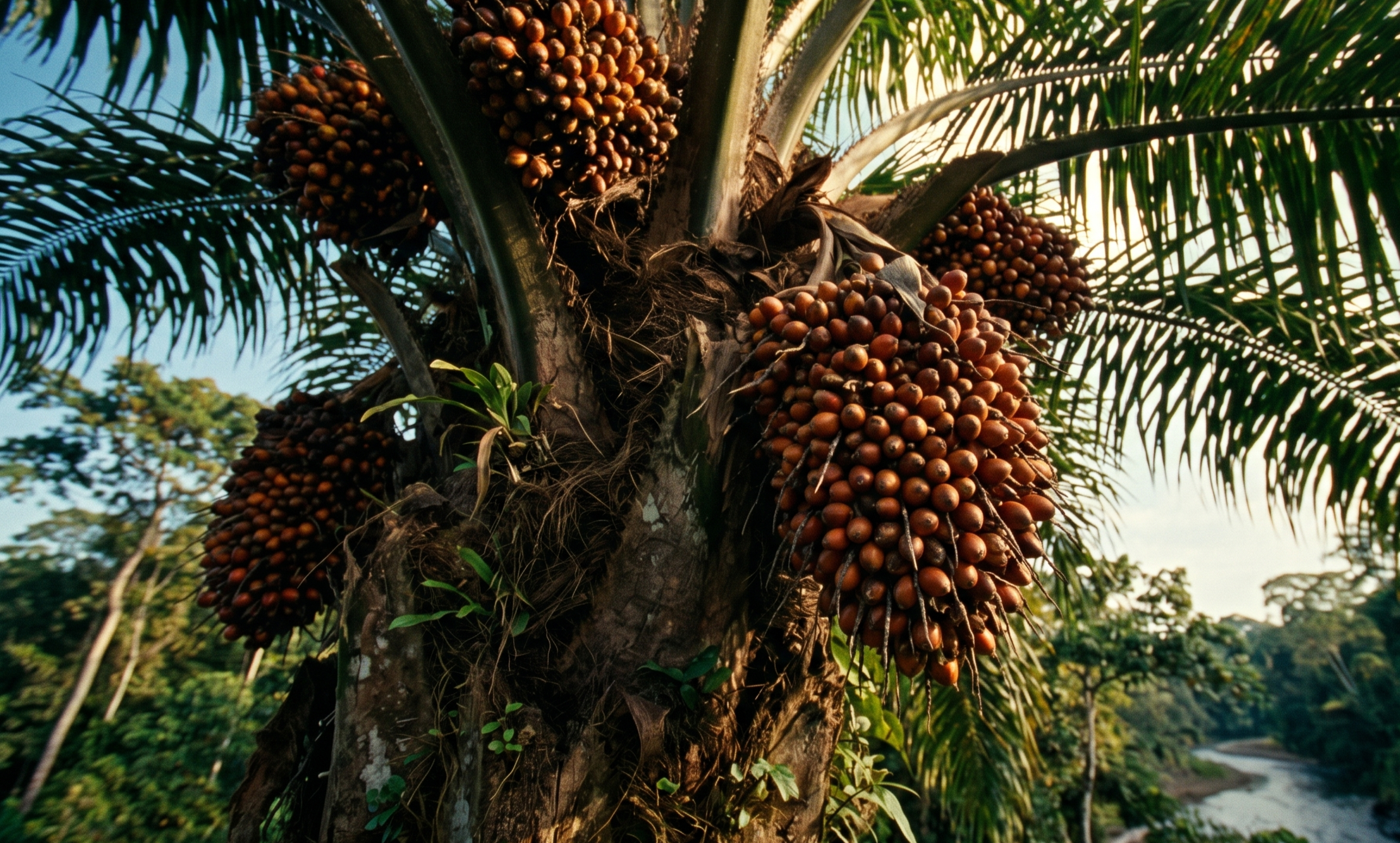
Batana oil is pressed from the nut of the American oil palm, elaeis oleifera, which grows wild in the La Moskitia rainforest of Honduras. The Miskito people have used it for generations, warming the oil and working it into the scalp and strands as part of an inherited hair care practice. Traditional preparation involves roasting the palm nuts over an open fire, then crushing them to release the deep, earthy oil inside.
Batana oil is dense with oleic acid, often making up the majority of its fatty acid profile. That density allows it to penetrate the hair shaft rather than sitting on the surface. It also carries beta-carotene, tocopherols, and other antioxidant compounds that help protect strands from everyday environmental stress.
In Halik's own Restorative Hair & Scalp Oil, batana is paired with pumpkin seed oil, bamboo extract, and rosemary. Rosemary supports scalp circulation, which is a meaningful piece of a healthy follicle environment even though it is not a guarantee of new growth. Batana itself is best understood as a strand-strengthening, moisture-sealing oil with a long, well-documented cultural history, and it's worth noting that most of the specific growth claims attached to it online come from traditional use and supplier data rather than peer-reviewed clinical trials.
What Is Argan Oil?
Argan oil comes from the kernels of the argan tree, native almost exclusively to southwestern Morocco. It has been extracted and used by Berber communities for centuries, and much of that production today still runs through women's cooperatives in the region. The process is slow. It can take close to 30 to 40 kilograms of argan fruit to produce a single liter of oil.
Argan oil is roughly 80 percent unsaturated fatty acids, led by oleic and linoleic acid, alongside a notable concentration of vitamin E and plant sterols. Linoleic acid works well at the scalp level to support the skin barrier, while the oil's lighter overall texture lets it sit on the hair without heaviness. Research on argan oil's antioxidant activity shows real promise for protecting hair from UV and environmental damage, though, as with batana, direct clinical evidence for hair growth specifically remains limited.
Batana vs. Argan: A Side-by-Side Look
Origin and tradition Batana oil is rooted in the rainforest ecosystems of Honduras and the Miskito hair care tradition. Argan oil is rooted in the argan forests of Morocco and Berber cosmetic practice.
Texture and weight Batana oil is thicker and darker, with a rich, earthy character that suits pre-wash treatments and deep scalp work. Argan oil is lighter and more refined, making it a natural fit for daily finishing on mid-lengths and ends.
Fatty acid profile Both oils lean heavily on oleic and linoleic acid, but batana's oleic acid content tends to run higher, which supports its deeper penetration into the hair shaft. Argan oil's slightly lighter composition is part of why it absorbs so cleanly without residue.
Best use case Batana oil shines as a scalp treatment and deep-conditioning pre-wash, especially for coarser or drier textures, including 4C hair. Argan oil shines as a daily smoothing and shine oil for fine to medium hair that needs frizz control without added weight.
Antioxidant content Batana brings beta-carotene and tocopherols to the table. Argan brings a strong vitamin E and polyphenol profile. Both help defend hair against oxidative stress from sun and pollution, though the research base for argan oil is somewhat more developed at this point.
Which One Belongs in Your Hair Care Ritual?
If your hair and scalp need deep, restorative intervention, batana oil's density and penetrating quality make it the stronger choice, particularly as a pre-wash or overnight scalp treatment. If you're looking for a lightweight oil to smooth frizz, add shine, and protect against daily styling stress, argan oil's finer texture will likely feel more comfortable on finer or already well-moisturized hair.
Many people don't have to choose only one. Batana can anchor a weekly or biweekly deep treatment, while a lighter oil handles daily finishing. Halik's Restorative Hair & Scalp Oil was built around batana specifically for this reason, formulated as a scalp treatment, a deep oiling practice, and a daily finishing oil suitable for all hair textures, including 4C.
FAQ
-
Neither oil has strong peer-reviewed clinical evidence directly proving hair growth. Both are traditionally used to strengthen strands, reduce breakage, and support scalp health, which can create the conditions for hair to hold onto length and look fuller over time.
-
Yes. Many people use batana oil as a weekly deep scalp treatment and a lighter oil like argan for daily smoothing on the lengths and ends.
-
Batana oil's thicker, more penetrating texture tends to suit coarser, curlier, and coilier hair types well, including 3A to 4C patterns, since these textures often need more intensive moisture.
-
Yes. Authentic batana oil has a deep, earthy, smoky aroma from the traditional roasting process. Argan oil has a lighter, subtly nutty scent that fades quickly once applied.
About Halik
Halik is a clean, premium skincare brand inspired by Filipino botanicals and the healing power of natural ingredients. All Halik products are formulated without parabens, PEGs, phthalates, silicones, sulfates and synthetic fragrances.
Related Reading