Ingredient Spotlight: Hydrolyzed Baobab Protein
Hydrolyzed baobab protein is a vegan, water-soluble protein derived from the seeds of adansonia digitata, the African baobab tree known as the Tree of Life. Its small molecular weight (around 2,000 g/mol) lets it interact with the hair cuticle rather than just coating the surface, helping reinforce strands against breakage, improve elasticity, and support skin moisture retention. Halik uses it in the Gugo Restorative Conditioner and Island Body Lotion.
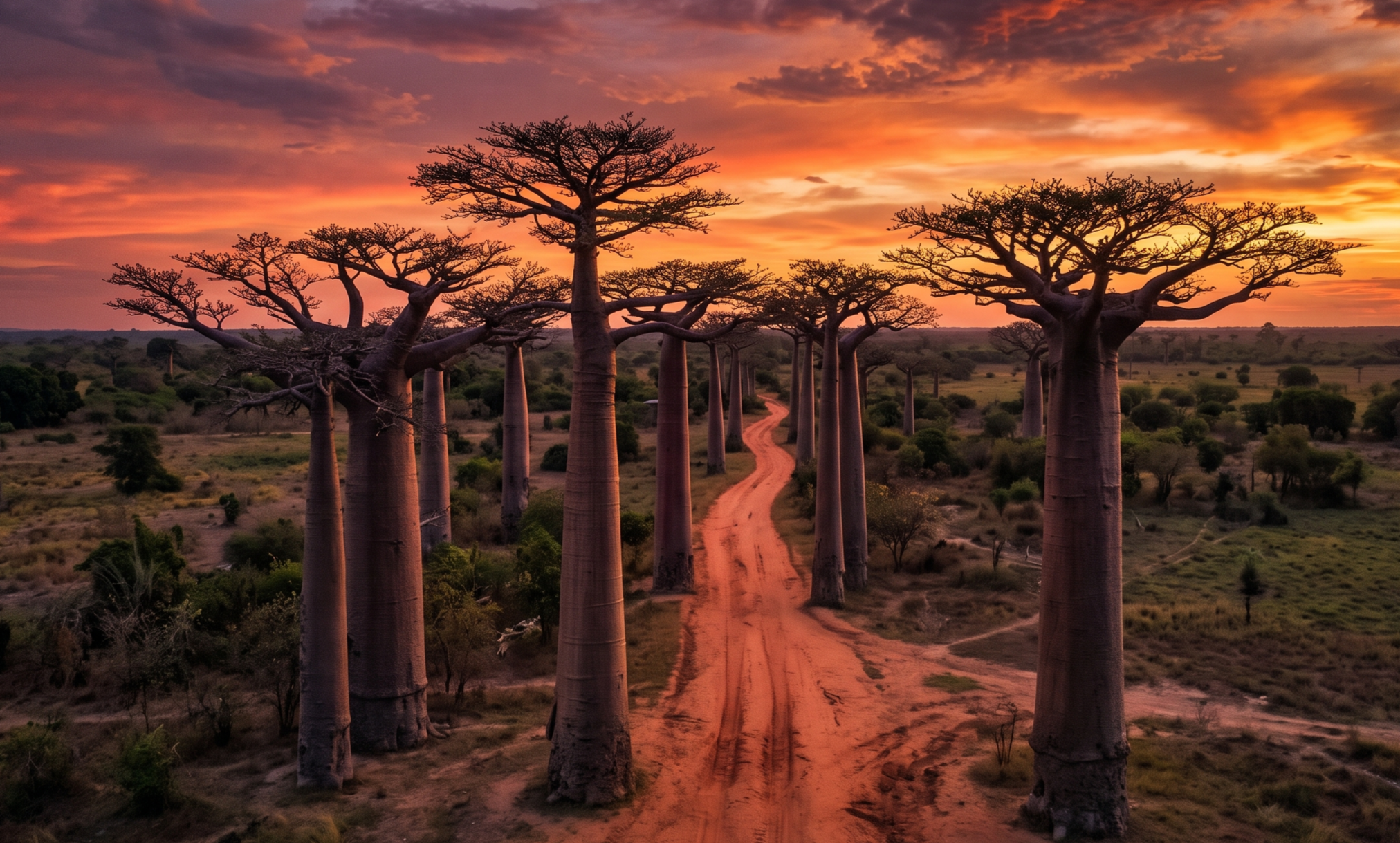
Some trees earn their nicknames. In the dry savannas of sub-Saharan Africa, the baobab tree stands with a massive, water-storing trunk and a silhouette that looks upside down, its bare branches resembling roots against the sky. Some individual trees are estimated to be over a thousand years old, and a few specimens have been dated at close to two thousand. Local communities across the continent call it the Tree of Life, and the name is not an exaggeration.
A Tree with a Long Resume
Long before baobab protein reached a cosmetics lab, the baobab tree fed and sustained entire communities. Its fruit pulp is naturally high in vitamin C, calcium, potassium, and fiber, and the seeds, leaves, and bark have all played roles in traditional diets, medicine, and craft across the Sahel and beyond. The tree's ability to survive drought and poor soil has also made it a symbol of resilience, one that shows up again and again in African folklore and village life.
Only in more recent decades has the cosmetics industry taken a real interest in what the baobab seed can do for hair and skin. That interest has grown quickly. Export volumes of baobab-derived ingredients climbed sharply over the past decade, and demand keeps rising as formulators look for plant-based alternatives to animal-derived proteins like keratin and collagen.
From Seed to Serum: What Hydrolyzed Baobab Protein Actually Is
Hydrolyzed baobab protein starts as whole protein extracted from the seeds of Adansonia digitata. On its own, this protein is too large to do much for hair or skin beyond sitting on the surface. Formulators solve this through hydrolysis, a process that uses water, enzymes, or acids to break the protein down into much smaller amino acid chains.
The result is a water-soluble protein with a molecular weight of roughly 2,000 grams per mole, small enough to move past the outermost layer of the hair shaft rather than only coating it. It is gluten-free, vegan, and comes with a naturally amber-brown color that reflects its plant origin.
The Actual Science Behind Protein and Hair Repair
It helps to understand why molecular size matters so much here. Peer-reviewed research on hydrolyzed proteins in hair care consistently finds that a protein's molecular weight determines how deeply it can travel into the hair fiber. Very small peptides can move past the cuticle and into the cortex, where they help fill gaps left by heat, chemical processing, and daily wear. Larger proteins tend to stay closer to the surface, forming more of a protective film over the cuticle instead.
Hydrolyzed baobab protein's molecular weight puts it in a useful middle zone. It is small enough to interact with the cuticle layer and support the hair's internal amino acid content, while still bonding well enough that it does not simply rinse away.
What This Means for Hair
Amino acids are the literal building blocks of hair, so replenishing them gives depleted strands something real to work with. Formulators report that hydrolyzed baobab protein fills in microscopic gaps along the cuticle, improving tensile strength and elasticity so hair flexes under tension instead of snapping.
Because it is plant-derived and water-soluble, it also functions as an alternative to silicone in smoothing and frizz control, without the buildup that heavier film-forming ingredients can leave behind over repeated washes. This makes it a natural fit for coarser or high-porosity hair, which tends to lose moisture and structural protein faster than finer textures.
It's worth being direct about where these specific claims come from. Much of what is published on hydrolyzed baobab protein's hair benefits comes from cosmetic ingredient suppliers and formulator technical data, not independent, peer-reviewed clinical trials. The underlying protein-and-molecular-weight science is well established in the research above. The degree of visible improvement in any single formula will depend on concentration, the rest of the ingredient list, and hair type.
What This Means for Skin
The same amino acid content that helps hair also has a role to play in skin care. Baobab protein binds moisture at the skin's surface and is frequently included in formulas aimed at improving resilience against everyday environmental stress. As with the hair claims above, this evidence comes mostly from supplier and formulator sources rather than independent clinical studies, so it's fair to describe the effect as supportive rather than proven.
A Note on Where It Comes From
Baobab seeds used in cosmetics are typically wild-harvested from trees across the Sahel region, in countries including Ghana, Burkina Faso, Namibia, and Mozambique. Reporting on the industry frequently points to women-led harvesting cooperatives as a significant part of this supply chain, with the seeds collected as a byproduct after the fruit pulp has already been used for food. We can't speak to the specific sourcing practices behind every supplier in the industry, but the pattern is a consistent one worth knowing about.
Baobab Protein in Halik Formulas
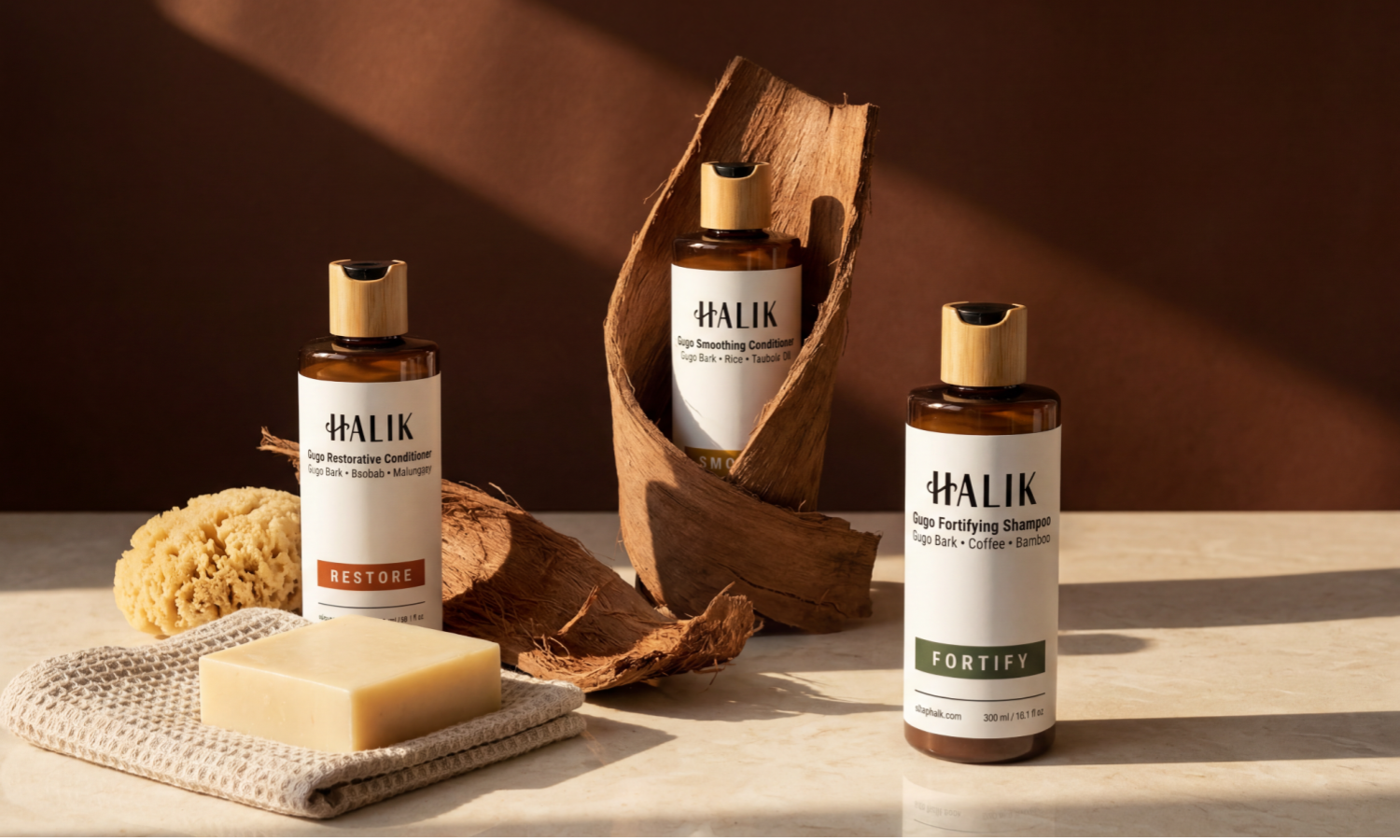
At Halik, hydrolyzed baobab protein appears in the Gugo Restorative Conditioner, where it works alongside malunggay (moringa) seed oil and shea butter for coarser, high-porosity, and 3A to 4C curl patterns. The protein reinforces strands against breakage from within, while the oils and butters seal that reinforcement in with lasting moisture from the outside.
It also appears in the Island Body Lotion, where it pairs with cupuaçu butter and cocoa butter. Here, the protein supports the skin's day-to-day resilience while the butters and oils handle deeper, longer-lasting hydration.
This pairing is a good example of how Halik brings ingredients from different heritages into one formula without blurring their origins. The gugo bark in the Restorative Conditioner carries a Filipino lineage, rooted in generations of hair care tradition. The baobab protein carries an African one, just as old and just as deserving of its own story. Halik gives each ingredient the history it actually comes from.
How to Work It Into Your Ritual
For hair, apply the Gugo Restorative Conditioner from mid-lengths to ends after shampooing, and leave it on for three to five minutes to let the protein and oils fully absorb. Two to three uses a week tends to work well for coarser or high-porosity textures.
For skin, the Island Body Lotion works best on towel-dried skin, right after a shower, when the surface can hold onto hydration most effectively.
FAQ
-
No. Baobab fruit powder comes from the dried pulp and is mostly used in food and supplements. Baobab oil is pressed from the seeds. Hydrolyzed baobab protein is a separate extract, taken specifically from the seed's protein content and broken down through hydrolysis for use in hair and skin formulas.
-
Yes. It's a plant-derived protein sourced entirely from baobab seeds, offering an alternative to animal-derived proteins like keratin or collagen.
-
Its small molecular size and water solubility make it less prone to buildup than some heavier film-forming proteins. As with any protein ingredient, results depend on the rest of the formula and how often it's used.
-
It's versatile enough for most hair types, though its strengthening benefits tend to matter most for coarser, high-porosity, or chemically treated hair, which loses structural protein faster than finer strands.
About Halik
Halik is a clean, premium skincare brand inspired by Filipino botanicals and the healing power of natural ingredients. All Halik products are formulated without parabens, PEGs, phthalates, silicones, sulfates and synthetic fragrances.
Related Reading