Is It Safe? A Trimester-by-Trimester Guide to Clean Skincare During Pregnancy

What skincare ingredients should you avoid during pregnancy? Dermatologists and ACOG recommend avoiding retinoids (all forms of vitamin A), hydroquinone, chemical sunscreen filters like oxybenzone, phthalates, and high-dose salicylic acid. Safe alternatives include ceramides, squalane, niacinamide, shea butter, vitamin C, and mineral sunscreens with zinc oxide. Botanical oils with a clean safety profile, such as jojoba, cupuaçu butter, and gugo bark, are widely used in pregnancy-safe formulations.
Pregnancy changes everything, including your skin. Within weeks of conception, hormonal shifts begin rewriting your complexion in ways that can feel unpredictable: sudden breakouts where your skin was once clear, dryness where there was once balance, a sensitivity that makes products you've used for years feel foreign. And layered over all of that is a question that hovers over every step of your ritual: Is this safe?
The answer, in most cases, is that it depends, and that the specifics matter. The American College of Obstetricians and Gynecologists (ACOG) and the American Academy of Dermatology (AAD) both recommend reviewing your skincare ingredients when pregnant and eliminating those with known or potential risks to fetal development. But beyond a short list of ingredients to avoid, there is a full landscape of botanicals and actives that are not only safe, but genuinely nourishing, for both you and the life you are carrying.
This guide walks you through what is happening to your skin in each trimester, which ingredients to set aside, and how to build a ritual that is endocrine-safe, barrier-supportive, and equal to every stage of this season.
A note before we begin: This post is educational and not a substitute for medical advice. Always consult your OB-GYN or dermatologist before making changes to your skincare routine during pregnancy.
The Ingredients to Pause (Across All Trimesters)
Before we go trimester by trimester, here is a clear-eyed summary of what the medical community consistently flags as ingredients to avoid during pregnancy:
Retinoids (all forms): Retinol, retin-A, retinyl palmitate, tretinoin, and isotretinoin are classified as Category X by the FDA for pregnancy. The AAD and ACOG both recommend discontinuing all retinoids upon confirmation of pregnancy. While topical absorption is lower than oral use, the precautionary guidance is firm: no vitamin A derivatives during pregnancy.
High-dose salicylic acid: Low concentrations of topical salicylic acid (under 2%, rinse-off products) are generally considered safe according to ACOG. High-dose BHA treatments, chemical peels, and oral salicylic acid are not.
Hydroquinone: A skin-lightening agent with high absorption rates. Dermatologists advise avoiding it during pregnancy due to systemic absorption concerns.
Chemical sunscreen filters, especially oxybenzone: ACOG specifically recommends avoiding oxybenzone, which is an endocrine disruptor linked to fetal development concerns. Opt for mineral sunscreens with zinc oxide or titanium dioxide instead.
Phthalates and synthetic fragrances: Phthalates are linked to an increased risk of preterm birth according to the NIH, and are commonly found in synthetic fragrance blends. Choosing fragrance-free or naturally scented products minimizes this exposure.
Certain essential oils: While many botanicals are safe in formulated products, high concentrations of camphor, clary sage, hyssop, and tansy should be avoided, as these may act as uterine stimulants.
The good news for Halik customers: every product in our line is formulated without retinoids, synthetic fragrance, phthalates, parabens, or sulfates, and built around endocrine-safe botanical actives. The ritual you love does not have to be interrupted; in many cases, it only deepens.
First Trimester (Weeks 1–12): Sensitivity, Breakouts, and the Case for Simplicity
What Your Skin Is Doing
The first trimester is defined by hormonal acceleration. Androgen levels surge in the first few weeks, increasing sebum production and triggering breakouts in many people, including those who have never had acne before. According to the American Academy of Family Physicians (AAFP), hyperpigmentation can also begin as early as the first trimester, as rising estrogen, progesterone, and melanocyte-stimulating hormone alter the skin's pigment response. Skin that was once predictable may suddenly feel reactive, oily in some places and dry in others, and sensitive to products it previously tolerated.
At the same time, the first trimester often brings fatigue and nausea that make elaborate routines feel impossible. This is the right season to simplify.
What to Focus On
Gentle cleansing. Strip as little as possible. Opt for cleansing balms or oil-based cleansers that dissolve impurities without disturbing the skin barrier, rather than foaming cleansers that can over-remove natural oils and leave skin reactive.
Barrier support. The skin barrier is your first defense against environmental stressors and a critical line of protection during pregnancy. Dermatologists consistently recommend keeping it "super healthy and super moisturized" throughout all nine months. Ingredients that strengthen the barrier without endocrine disruption, including ceramides, shea butter, and botanical oils, are ideal here.
Hydration without heavy actives. Reach for humectants and emollients rather than exfoliants or actives with systemic absorption concerns. Squalane, glycerin, and plant-derived butters all hydrate without risk.
Halik Products for the First Trimester
Calendula Facial Cleansing Balm is the first-trimester cleanser we return to again and again. Anchored by cold-infused, homegrown calendula oil with natural antiseptic and anti-inflammatory properties, softened with apricot kernel oil and geranium, it dissolves the day completely without stripping the barrier beneath. No harsh surfactants. No synthetic fragrance. Just a ritual that leaves skin calm, balanced, and open to what comes next.
Bayabas Nourishing Face Cream is the moisture anchor the first trimester calls for. It leads with guava seed oil (rich in antioxidants and vitamin C), adds cupuaçu butter for deep lasting hydration, and incorporates both a ceramide complex and niacinamide, a well-studied pregnancy-safe active that supports barrier function and helps address early hyperpigmentation. The Environmental Working Group (EWG) identifies squalane, shea butter, and niacinamide among the moisturizing agents they recommend for pregnancy-safe skincare. Bayabas delivers all three in a single ritual.
Halik Lip Balm earns its place in any first-trimester kit. Lanolin, ethically sourced from organic, grass-fed sheep, is structurally akin to the skin's own lipids and forms a bio-compatible barrier over the lips that heals and holds moisture without the need to reapply. Paired with mango butter, shea butter, and passionfruit seed oil, it is a small act of care for a part of the body that often goes overlooked.
Second Trimester (Weeks 13–26): The Melasma Window and Growing Skin
What Your Skin Is Doing
For many people, the second trimester brings relief from first-trimester breakouts and a period of relative skin stability, the coveted "pregnancy glow" attributed to increased blood circulation and improved barrier function. But it is also the trimester in which melasma, the "mask of pregnancy," typically appears.
According to the AAFP, melasma is driven by elevated melanocyte-stimulating hormone and is among the most common pregnancy-related skin changes. It manifests as uneven, brownish pigmentation on the forehead, cheeks, and upper lip, and it is exacerbated significantly by UV exposure. Sun protection is not optional in the second trimester; it is the single most impactful thing you can do to manage pigmentation now and postpartum.
Striae (stretch marks) also begin forming in the second trimester as the body expands. ACOG notes that while no product has been proven to prevent stretch marks, keeping skin well-moisturized and supple may support comfort and resilience during rapid growth.
What to Focus On
Sun protection, daily. Use a broad-spectrum mineral sunscreen with zinc oxide or titanium dioxide. Avoid oxybenzone and other chemical filters per ACOG guidance. Reapply if you're spending time outdoors.
Brightening actives that are pregnancy-compatible. With retinoids and hydroquinone off the table, the pregnancy-safe options for addressing early melasma are vitamin C (ascorbic acid), niacinamide, and azelaic acid, all of which dermatologists confirm are appropriate during pregnancy. The AAD considers azelaic acid a safe prescription-level option for pigmentation and acne during pregnancy.
Full-body moisture. As the belly, breasts, and thighs begin to expand, a rich, absorptive body product used daily supports skin elasticity and comfort. Ceramides, fatty-acid-rich butters, and squalane are the dermatologist-recommended building blocks.
Halik Products for the Second Trimester
Bayabas Nourishing Face Cream continues to do meaningful work in the second trimester. Its niacinamide content addresses hyperpigmentation as it forms, and its ginseng root extract, long prized for brightening in traditional botanical practice, supports a more even-toned complexion without the risks associated with hydroquinone or retinoids.
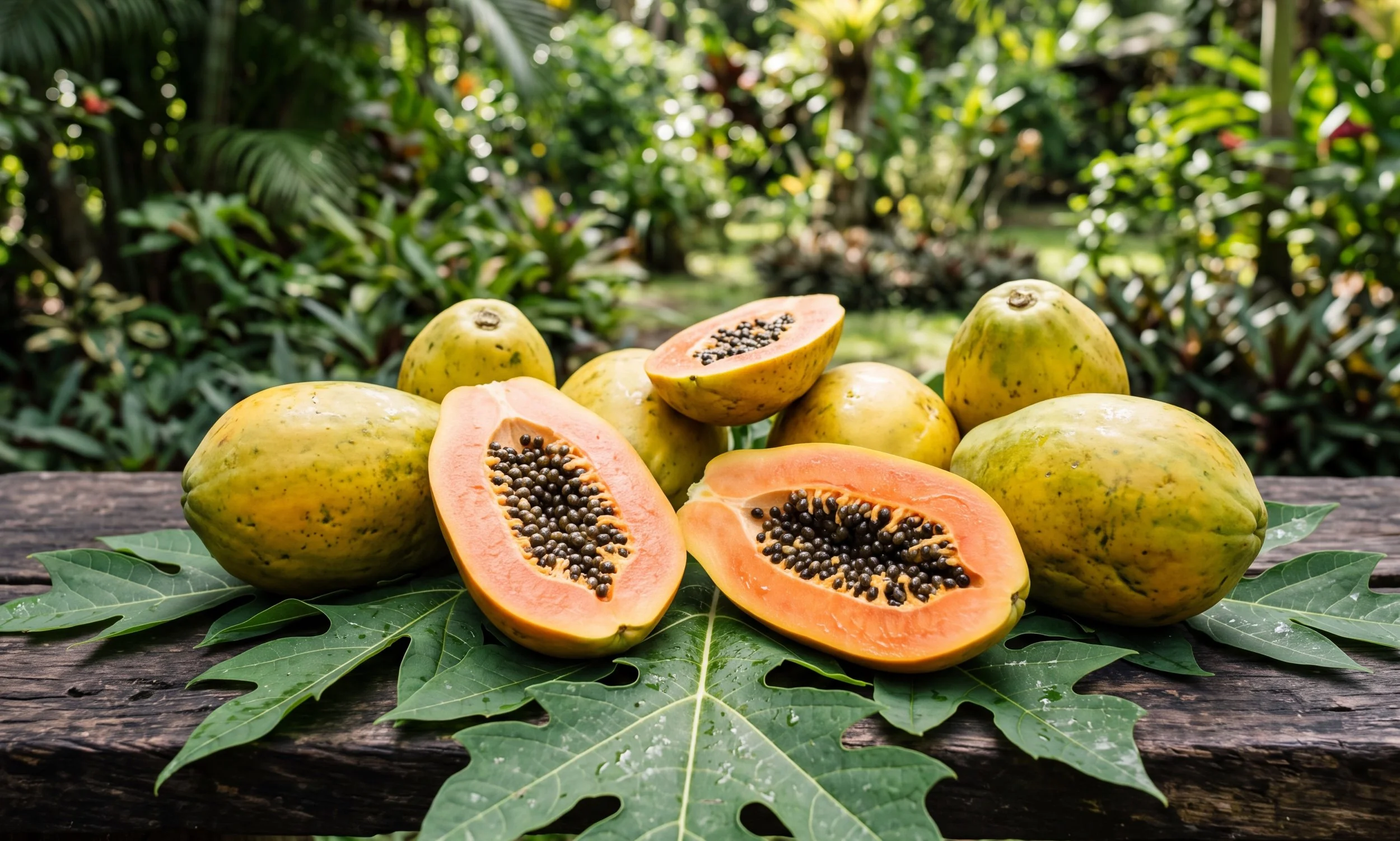
Sampaguita Anti-Aging Face Oil is worth introducing here, with a note: this oil contains several botanical actives, and as with any oil during pregnancy, we recommend discussing it with your healthcare provider first. That said, its primary ingredients, including sugarcane-derived squalane, papaya seed and leaf oil, and jojoba, are widely considered pregnancy-safe. The squalane mirrors the skin's own natural lipids and absorbs without residue, supporting the moisture barrier and helping to address early signs of oxidative stress.
Paradise Whipped Body Butter becomes essential reading in the second trimester. Built around mango butter, cupuaçu butter, kukui nut oil, and açaí oil, each a source of fatty acids, vitamins A, C, and E, and natural antioxidants, it is the kind of all-body restoration that meets rapidly expanding skin with genuine depth. Dermatologists recommend ingredients like shea butter, glycerin, and squalane specifically for supporting barrier function and comfort during pregnancy growth; Halik's body butter contains all of them, plus a botanical foundation that goes considerably further.
Island Body Lotion layers beautifully with the body butter for a two-step body ritual. Lightweight and quickly absorbed, it leads with cupuaçu butter and includes hydrolyzed baobab protein to replenish the skin with essential amino acids. Used together, the duo provides the sustained moisture that growing skin needs across the full second trimester.
Third Trimester (Weeks 27–40): Stretch, Itch, and a Ritual That Holds You
What Your Skin Is Doing
The third trimester is the most physically demanding on the skin. Rapid growth in the abdomen, breasts, and thighs accelerates stretch mark formation, and ACOG notes that by the third trimester, many pregnant people have striae on the abdomen, buttocks, breasts, or thighs. Skin becomes increasingly stretched and prone to dryness and itching, particularly across the belly. Hair concerns, including shifts in texture, density, and shedding, are also common as hormones continue to fluctuate.
The scalp and hair ritual is worth revisiting in the third trimester. Many people notice that hair that felt healthy in the second trimester begins to behave differently as the body prepares for postpartum transition. A nourishing, botanically grounded hair care routine becomes both a practical choice and a grounding ritual during weeks that can feel physically overwhelming.
What to Focus On
Intensified body hydration. Double down on the barrier-supporting butters and oils. Apply body moisture immediately after bathing, while skin is still damp, to lock in hydration. Consistency matters more in the third trimester than any single product.
Scalp and hair support. Avoid synthetic fragrance-heavy styling products and reach instead for botanically formulated options that address the scalp without endocrine disruption. Gugo bark, rosemary oil, and panthenol are ingredients with a strong safety profile and meaningful functional results.
Comfort-focused lip and targeted care. Hormonal shifts can intensify dry lips, cracked heels, and localized dryness in the third trimester. Simple, ingredient-clean balms and targeted treatments fill this space without adding unnecessary chemical load.
Halik Products for the Third Trimester
Paradise Whipped Body Butter and Island Body Lotion remain the anchors of the third-trimester body ritual. Used in tandem, they form a layered system of hydration that supports the barrier through rapid expansion. A consistent two-step application from mid-trimester forward is the most impactful body ritual investment a pregnant person can make.
Gugo Fortifying Shampoo is a considered choice for the third trimester. Formulated around gugo bark, a revered Filipino botanical derived from the entada phaseoloides vine long associated with scalp vitality and reduced shedding, it pairs with coffee extract for scalp circulation, panthenol (a bioavailable form of Vitamin B5) for moisture retention and elasticity, hydrolyzed quinoa protein to rebuild strand strength, and rosemary oil, whose role in supporting hair density has been studied clinically. Free from sulfates, phthalates, and synthetic fragrance, it is a ritual that supports a healthy scalp environment during a season when the scalp is changing.
Gugo Smoothing Conditioner follows the shampoo to seal, soften, and restore. Tsubaki oil and meadowfoam seed oil deliver exceptional slip and moisture-sealing depth; hydrolyzed rice protein builds a reflective smoothness at the cuticle. For those with 3A–4C curl patterns and coarser textures, the Gugo Restorative Conditioner offers additional depth, with shea butter, malunggay (moringa) seed oil, and hydrolyzed baobab protein forming a nourishing core designed for hair that needs more.
Halik Lip Balm closes the third-trimester ritual with the same intention it brought to the first. Lanolin's bio-compatible barrier, mango butter's cushioning richness, and passionfruit seed oil's antioxidant protection come together in a formula that holds moisture through the demands of the day, without the need to reapply.
Restorative Hair & Scalp Oil is worth considering for scalp treatments in the third trimester, particularly for those experiencing dryness or discomfort at the hairline. Batana oil, pumpkin seed oil, bamboo extract, and rosemary oil work at the root, supporting follicle health and scalp circulation. As with any multi-active oil, discuss with your OB-GYN, especially if you have existing scalp sensitivities.
A Note on Postpartum
The skincare changes of pregnancy don't end at birth. Postpartum hormonal shifts bring their own skin experiences: continued hyperpigmentation, postpartum hair shedding, and skin that may remain sensitized through breastfeeding. The same principle applies: keep the formula clean, the ingredients endocrine-safe, and the ritual intentional. The Halik line was designed for exactly this kind of long-horizon care.
FAQ
-
Dermatologists and ACOG recommend avoiding retinoids (all forms, including retinol and retinyl palmitate), hydroquinone, chemical sunscreen filters like oxybenzone, phthalates, synthetic fragrances, and high-dose salicylic acid. Always consult your OB-GYN before making changes to your skincare routine.
-
No. The FDA classifies all retinoids as Category X for pregnancy, and both ACOG and the AAD recommend discontinuing all forms of vitamin A derivatives, including retinol, tretinoin, and retinyl palmitate, during pregnancy.
-
Pregnancy-safe ingredients include squalane, niacinamide, vitamin C, shea butter, ceramides, glycerin, jojoba oil, hyaluronic acid, and mineral sunscreens with zinc oxide or titanium dioxide. Botanical oils like cupuaçu butter, mango butter, and calendula are also widely used in pregnancy-safe formulations.
-
In the first trimester, androgen surges increase oil production, often triggering breakouts even in those without a prior history of acne. Hyperpigmentation can begin as early as the first trimester due to elevated melanocyte-stimulating hormone. Skin may also become more reactive or sensitive to previously tolerated products.
-
Since hydroquinone and retinoids are not recommended during pregnancy, the primary approaches to managing melasma are consistent mineral sunscreen use (zinc oxide or titanium dioxide) and pregnancy-safe brightening actives like niacinamide and vitamin C. Azelaic acid is also considered safe per the AAD. Melasma often improves postpartum, at which point additional treatment options become available.
-
Yes. Squalane, particularly sugarcane-derived squalane, is widely considered pregnancy-safe and is recommended by dermatologists for hydration and barrier support during pregnancy. It is bio-compatible, non-irritating, and absorbs without residue.
-
While no product has been proven to prevent stretch marks, consistent daily moisturizing with barrier-supporting ingredients like shea butter, squalane, ceramides, and fatty-acid-rich oils can improve skin comfort and resilience during rapid growth. ACOG recommends keeping skin well-moisturized throughout pregnancy.
-
Gugo bark (entada phaseoloides) is a traditional Filipino botanical used for scalp care and hair health. As with any botanical ingredient, we recommend discussing use with your healthcare provider during pregnancy. Halik's gugo-based shampoos and conditioners are formulated without retinoids, sulfates, phthalates, and synthetic fragrance.
Further Reading and Medical References
American College of Obstetricians and Gynecologists (ACOG): Skin Conditions During Pregnancy
American Academy of Family Physicians (AAFP): Common Skin Conditions During Pregnancy
Environmental Working Group (EWG): EWG Skin Deep Database
National Institutes of Health (NIH): Phthalates and Pregnancy Risk
Halik is a clean beauty brand rooted in Filipino heritage and botanical ingredient philosophy. Every formula is developed without parabens, phthalates, sulfates, retinoids, or synthetic fragrance. Visit shophalik.com to explore the full ritual.