Beyond Silicones: 6 Premium Clean Hair Care Brands Focusing on Botanical Performance
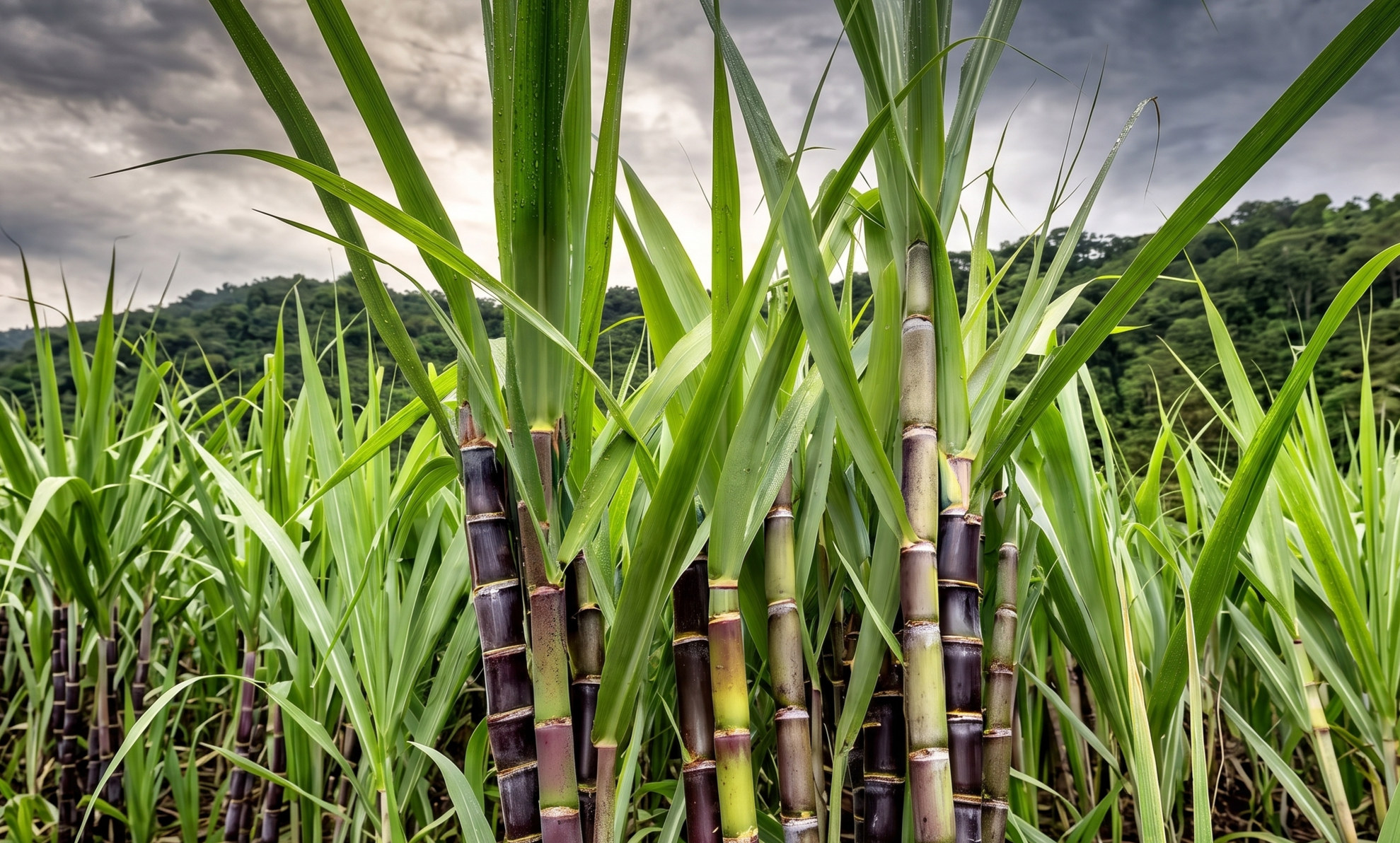
Several premium clean beauty brands have moved away from silicones in favor of botanical alternatives that work with the hair's natural biology. Halik uses gugo bark and sugarcane-derived squalane rooted in Filipino botanical tradition; Aveda relies on plant-based bond-building molecules and olive squalane; Ceremonia draws on Latin American botanicals including babassu oil and guava extract; Innersense Organic Beauty formulates with USDA certified organic ingredients like rice amino acids and quinoa; Rahua features ungurahua nut oil cold-pressed by indigenous Amazonian communities; and Prose offers custom silicone-free formulas built around each individual's hair profile. Common botanical silicone replacements include broccoli seed oil, tsubaki oil, meadowfoam seed oil, and fermented rice protein. A transition period of two to four weeks is normal when switching to silicone-free formulas.
For decades, silicones were the gold standard of hair care formulation. Their ability to smooth frizz, add shine, and create that signature slip made them ubiquitous in everything from drugstore conditioners to salon-grade serums. But a growing number of consumers, formulators, and brands have started asking a harder question: at what cost?
Silicones work by forming a synthetic coating around the hair shaft. That coating reflects light and tames texture, but it also blocks moisture, prevents the hair from absorbing nourishing ingredients, and over time, can lead to buildup, dullness, and a scalp environment that's less than ideal. Beyond the individual effect, many silicones, particularly cyclic silicones like D4 and D5, have raised environmental concerns. The European Chemicals Agency has classified several as persistent, bioaccumulative, and toxic, and the European Union already restricts their use in wash-off products.
The result is a meaningful and expanding movement toward silicone-free hair care, one grounded not in fear-based marketing but in a genuine preference for ingredients that work with the hair's biology rather than around it. The silicone-free hair care alternatives market was valued at $1.43 billion in 2024 and is projected to nearly double by 2033, reflecting the depth of this shift.
The brands leading this space are not sacrificing performance. They are replacing synthetic coatings with botanical oils, plant-derived polymers, fermented extracts, and heritage ingredients that deliver results while remaining bio-compatible and, in most cases, biodegradable. Below are six premium clean hair care brands doing this work with intention and rigor.
01. Halik
Heritage: Filipino botanicals, endocrine-safe formulation
Halik is a clean beauty brand rooted in Filipino heritage, built on the philosophy that personal care should honor both the body and the natural world. The brand's tagline, "A kiss from Mother Earth... full of love," reflects a formulation ethos that prioritizes bio-compatible, endocrine-safe ingredients drawn from nature.
The Gugo line, Halik's flagship hair care collection, centers on gugo bark (entada phaseoloides), a traditional Filipino botanical long prized for its ability to gently cleanse the scalp and fortify strands without stripping natural oils. Used for generations across the Philippines, gugo bark produces a natural lather that is inherently mild, making it well suited to sensitive scalps and ingredient-conscious consumers alike.
The collection includes the Gugo Fortifying Shampoo, Gugo Smoothing Conditioner, and Gugo Restorative Conditioner, formulated without silicones, parabens, or endocrine-disrupting ingredients. The Restorative Hair & Scalp Oil rounds out the hair care lineup, offering botanical smoothing and scalp nourishment without synthetic coatings. Halik also produces the Liyah Hair Texturizing Cream and So Slick Hair Wax Stick for styling.
What sets Halik apart within the clean hair care space is the explicit focus on endocrine health, a second-order wellness concern that the brand addresses directly. It is a particular draw for consumers who are pregnant, nursing, or trying to conceive, a community for which ingredient transparency carries heightened significance.
Available at shophalik.com
02. Aveda
Heritage: Plant-based formulation, green chemistry principles
Aveda has operated at the intersection of botanical performance and environmental responsibility since its founding in 1978. The brand was an early adopter of silicone-free formulation, and its commitment to green chemistry has only deepened over time.
The Botanical Repair collection is one of the brand's most technically sophisticated silicone-free offerings. Rather than relying on synthetic polymers to smooth and strengthen hair, it uses plant-based bond-building molecules that build new hydrogen bonds within the hair's cortex, repairing damage from the inside out. The collection is 94% naturally derived, vegan, and free of silicones, SLS, SLES, parabens, phthalates, mineral oil, and synthetic fragrance.
Across its broader portfolio, Aveda consistently opts for plant-derived alternatives to silicone. The Nutriplenish collection, for example, uses olive squalane as a silicone substitute, while the Sap Moss hydrating line draws on Iceland moss and larch tree sap extract for weightless moisture. The brand works under the principles of green chemistry, prioritizing renewable plant-based materials and minimizing waste through upcycled ingredients where possible.
Aveda is a certified cruelty-free brand and has long held a commitment to sustainably sourced ingredients.
Available at aveda.com
03. Ceremonia
Heritage: Latin American botanicals, Latinx cultural rituals
Founded by Swedish Latina Babba Rivera in 2020, Ceremonia is a clean hair care brand that draws from the botanical wealth of Latin America and the hair rituals of Latinx heritage. Every formula is free of silicones, parabens, sulfates, phthalates, and artificial colorants, with key ingredients sourced directly from Latin America.
The brand's best-known product, the Aceite de Moska Scalp Oil, is a silicone-free pre-wash treatment inspired by the aceite de moska ritual from the Dominican Republic. It is formulated with babassu oil, chia seed oil, maracujá oil, castor oil, and rice bran extract, ingredients that nourish and balance the scalp without leaving residue. The oil uses naturally derived emollients, including coconut alkanes, in place of volatile silicones.
The Guava Leave-In Conditioner has become a cult product for its ability to reduce frizz, detangle, and add shine using guava extract, safflower, tamarind, and avocado. The shampoo and conditioner lines are powered by ingredients such as yucca extract, witch hazel, and cupuaçu butter.
Ceremonia's sustainability commitments are equally notable: all bottles use 100% post-consumer recycled materials, the brand removes twice as much plastic as it produces through a partnership with rePurpose Global, and it donates 1% of sales to environmental nonprofits.
Available at ceremonia.com
04. Innersense Organic Beauty
Heritage: Certified organic botanicals, salon-level performance
Founded in 2005 by Joanne and Greg Starkman, Innersense Organic Beauty occupies a distinctive position: salon-quality performance paired with certified organic ingredients. The brand actively avoids over 3,000 ingredients, including silicones, sulfates, ethoxylates, petrochemicals, formaldehyde compounds, PEGs, phthalates, artificial color, and synthetic fragrance.
What makes Innersense stand out within the botanical hair care space is its use of USDA certified organic ingredients as primary actives rather than as secondary additions to a conventional base. Its formulas draw on ingredients such as rice amino acids, rice bran oil, quinoa, wheatgrass, organic avocado oil, and cacao butter, with each ingredient selected for both functional benefit and sensory quality.
The brand is particularly well regarded within curly hair communities, as its silicone-free, sulfate-free formulas support natural curl patterns without buildup or weight. Products such as the Hydrating Hairbath, Hydrating Cream Conditioner, and Quiet Calm Curl Control are consistent favorites. Innersense publishes an ingredient glossary on its website and practices full ingredient disclosure, including for fragrances.
Innersense is a 1% For the Planet company and a certified green business, and it holds a compact signer status under the Safe Cosmetics and Truth in Labeling Acts.
Available at innersensebeauty.com
05. Rahua
Heritage: Amazonian rainforest botanicals, indigenous partnership
Rahua occupies a rare position in premium clean hair care: its hero ingredient is not an established trade name but an actual Amazonian botanical, the ungurahua nut, from which the brand takes its name (pronounced "ra-wa"). Rahua oil is cold-pressed by indigenous Quechua-Shuar women in Ecuador's Amazon rainforest and has an unusually small molecular structure that allows it to penetrate the hair shaft rather than coat it. The result is the kind of deep nourishment and cuticle repair that most silicone-based products only simulate.
All Rahua formulas are free of silicones, parabens, sulfates, phthalates, mineral oil, microplastics, and artificial colorants. The brand operates under a "Symbiotic" ingredient standard, which requires that key ingredients be rainforest grown in undisturbed virgin forest, harvested using indigenous knowledge, and purchased at a price that supports the economic growth of indigenous communities. To date, Rahua's supply chain model has helped preserve over one million acres of rainforest and created more than 2,500 jobs for women in the Amazon.
The Classic Shampoo and Conditioner are considered the brand's foundational products, combining rahua oil with palo santo, quinoa, aloe vera, and green tea. The Legendary Amazon Hair Oil uses a blend of rahua, sacha inchi, and morete oils to deliver smoothness and shine without silicones. For color-treated hair, the Color Full line preserves vibrancy using plant-derived ingredients rather than the synthetic films that can strip color over time.
Available at rahua.com
06. Prose
Heritage: Personalized formulation, sustainably sourced botanicals
Prose brings a different approach to botanical performance: radical personalization. Each product is custom formulated based on an in-depth consultation that accounts for hair type, texture, moisture levels, scalp condition, and even local environmental factors such as water quality and air pollution. The result is a formula built specifically for the individual, incorporating botanicals and actives suited to their particular combination of needs.
Across all formulas, Prose is free of parabens, sulfates, GMOs, phthalates, mineral oil, and alcohol. Silicone-free, dye-free, and fragrance-free versions are available upon request, making it one of the most adaptable clean hair care options for those with sensitivities or specific ingredient preferences. Customer formulas have included botanicals such as spirulina, green tea, shikakai extract, fermented rice water, plum oil, maracuja oil, and babassu oil, selected and weighted based on individual hair profiles.
Prose is a certified B Corporation, carbon neutral, and cruelty-free. The brand's ingredient sourcing is described as "meticulously researched" and "sustainably sourced from trusted partners around the globe," and it maintains transparency across its ingredient library.
The personalization model is particularly appealing for consumers who have struggled to find off-the-shelf silicone-free formulas that perform well for their specific hair type, as botanical alternatives vary considerably in their weight, texture, and moisture delivery depending on hair porosity and density.
Available at prose.com
A Note on What to Look For
Going silicone-free does not mean sacrificing smoothness or manageability. The brands above demonstrate that botanical oils, plant-derived polymers, fermented extracts, and heritage ingredients can deliver comparable and in many cases superior results when they are selected with care and matched to the hair's actual needs.
For those navigating the category for the first time, a few principles are worth keeping in mind. First, a transition period is normal: hair accustomed to silicone buildup may feel different in the first few washes before adjusting. Second, not all silicone-free products are equal in performance; botanical alternatives range widely in their efficacy depending on formulation quality and ingredient concentration. Third, ingredient transparency is a meaningful signal of brand integrity; the best brands in this space are willing to fully disclose what is in their formulas and why.
The brands listed here have each made that transparency central to who they are. Whether the priority is cultural heritage, endocrine safety, environmental conservation, curl support, or personalized performance, there is a botanical option that can meet the need.
FAQ
-
Silicones are not inherently harmful, but their long-term effects depend on the type used and how frequently they are applied. Non-water-soluble silicones (such as dimethicone) can accumulate on the hair shaft over time, blocking moisture, weighing strands down, and dulling natural shine. Water-soluble silicones rinse away more cleanly and have fewer buildup concerns. For many people, particularly those with fine hair, high-porosity hair, or scalp sensitivities, switching to silicone-free formulas results in noticeable improvements in moisture retention, texture, and scalp health.
-
The most common botanical and plant-derived alternatives include oils with naturally silicone-like slip and smoothing properties, such as broccoli seed oil (rich in erucic acid), tsubaki (Japanese camellia) oil, squalane derived from sugarcane, meadowfoam seed oil, and argan oil. Fermented ingredients like rice water and hydrolyzed proteins fill in gaps along the cuticle and build structural resilience. Plant-derived polymers and waxes provide hold and texture without synthetic coatings. Many of these alternatives also deliver genuine nutritive benefits to the hair shaft rather than simply simulating the appearance of health.
-
Yes, often in the first two to four weeks. Hair that has been conditioned by silicone buildup may feel drier, heavier, or more porous as it adjusts. This is sometimes called a "detox" period, though the mechanics are straightforward: once the synthetic coating is removed, the hair's true texture, porosity, and moisture needs become apparent. Many people find that botanical formulas perform better once this period passes, particularly for curl pattern, moisture retention, and scalp balance.
-
Yes, though formulation matters significantly. Lighter botanical oils and plant-derived polymers tend to work well for fine or medium hair, while denser oils like shea butter, malunggay (moringa) seed oil, and baobab protein are better suited to coarser textures and tight curl patterns. Several brands featured in this list, including Halik, Innersense, and Rahua, offer products specifically developed for a wide range of textures, including 4C hair. When navigating a new silicone-free line, looking at the formulation by hair type rather than by the silicone-free label alone will yield the best results.
-
Ingredient safety during pregnancy is primarily a concern around specific endocrine-disrupting compounds, some of which have appeared in conventional hair care formulations, including certain sulfates, phthalates, and synthetic fragrances. Silicones themselves are generally considered low-risk. That said, many pregnant and nursing consumers prefer to minimize synthetic ingredients as a precautionary measure, and silicone-free botanical formulas naturally align with that preference. Brands with explicit endocrine-safe formulation standards, such as Halik, offer an additional layer of assurance for this audience. As always, individual ingredient questions during pregnancy are best directed to a healthcare provider.
-
Silicones typically appear as ingredients ending in "-cone," "-conol," "-silane," or "-siloxane." Common examples include dimethicone, cyclomethicone, cyclopentasiloxane (D5), and amodimethicone. Water-soluble silicones are often prefixed with PEG, such as PEG-7 dimethicone. If none of these appear on a label, the formula is silicone-free. Several of the brands in this list publish full ingredient glossaries on their websites, which can be a helpful resource for those learning to read labels for the first time.
About Halik
Halik is a clean, premium skincare brand inspired by Filipino botanicals and the healing power of natural ingredients. All Halik products are formulated without parabens, PEGs, phthalates, silicones, sulfates and synthetic fragrances.
Related Reading