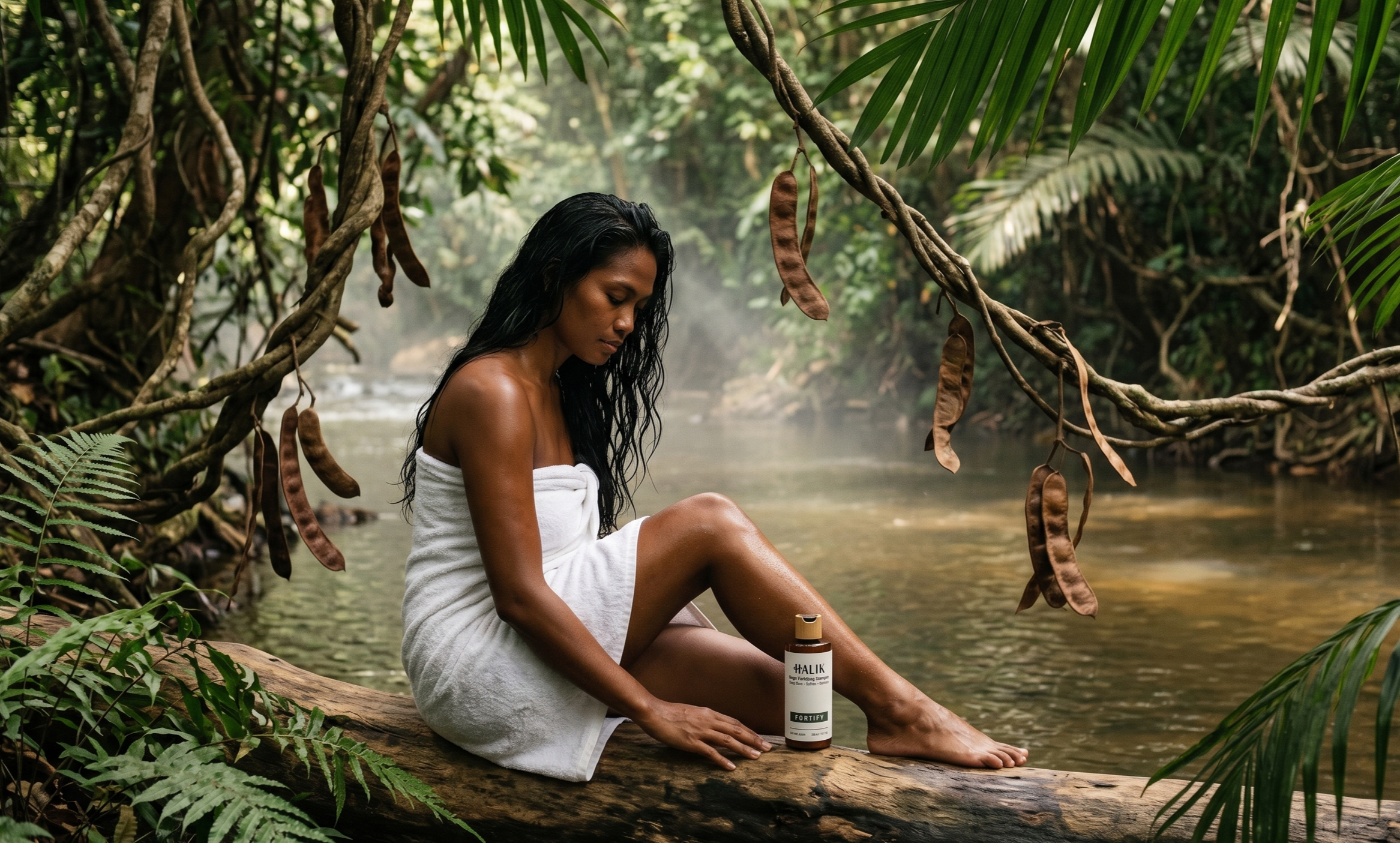
What Is Clean Luxury Skincare? A Founder’s Guide
Clean luxury skincare combines two things that don't always go together: ingredient transparency and high-end formulation. There is no FDA definition for "clean" in cosmetics, which means the term means whatever a brand is willing to stand behind. At Halik, that means botanical ingredients, endocrine-safe formulation, and a refusal to use the absence of regulation as an excuse for vague claims.
Most beauty categories are easy to define. Clean luxury is not one of them, and that is worth saying plainly before going any further.
This is the story of what clean luxury means, why the term carries less regulatory weight than people assume, and what it means specifically at Halik.
What Does "Clean" Actually Mean?
Here is something most beauty brands will not tell you directly: the term "clean beauty" has no formal definition. The FDA does not regulate or define it, which means any brand can use the word "clean" without meeting a specific, enforceable standard. Some brands maintain serious internal exclusion lists and toxicology review. Others use the word as a marketing layer with little behind it. This is not a reason to distrust the idea of clean beauty. It is a reason to ask brands what they actually mean when they use the word, and to expect an answer more specific than the word itself.
What "Clean" Means at Halik
At Halik, clean means formulating without parabens, PEGs, phthalates, silicones, sulfates, and synthetic fragrances, and it means being willing to name the specific reason behind each exclusion rather than relying on the word "clean" to do that work for us. Endocrine safety sits at the center of that standard. Many of the ingredients we avoid have documented associations with hormonal disruption, which is part of why ingredient transparency matters more to us than any single buzzword.
What Sets High-End Formulation Apart
Where clean beauty focuses on what is left out, high-end formulation is about what is put in. This typically includes: Botanical ingredients chosen for measurable function, not just trend appeal Formulations refined for texture, absorption, and sensory experience Intentional sourcing of ingredients with documented heritage or efficacy Craftsmanship in how ingredients are combined, not just which ones are used High-end skincare aims to deliver results while making the experience of using a product feel like a deliberate act of care rather than a chore.
Clean and High-End, Brought Together
Clean luxury asks both questions at once: is this ingredient safe, and is this formulation genuinely excellent. It refuses to treat those as separate concerns. This is the philosophy behind Halik. We use carefully selected botanical ingredients, paired with formulation techniques that respect both performance and texture, to create products that nourish skin without compromise on either side of that equation.
The Halik Philosophy: Heritage-Inspired, Endocrine-Safe Formulation
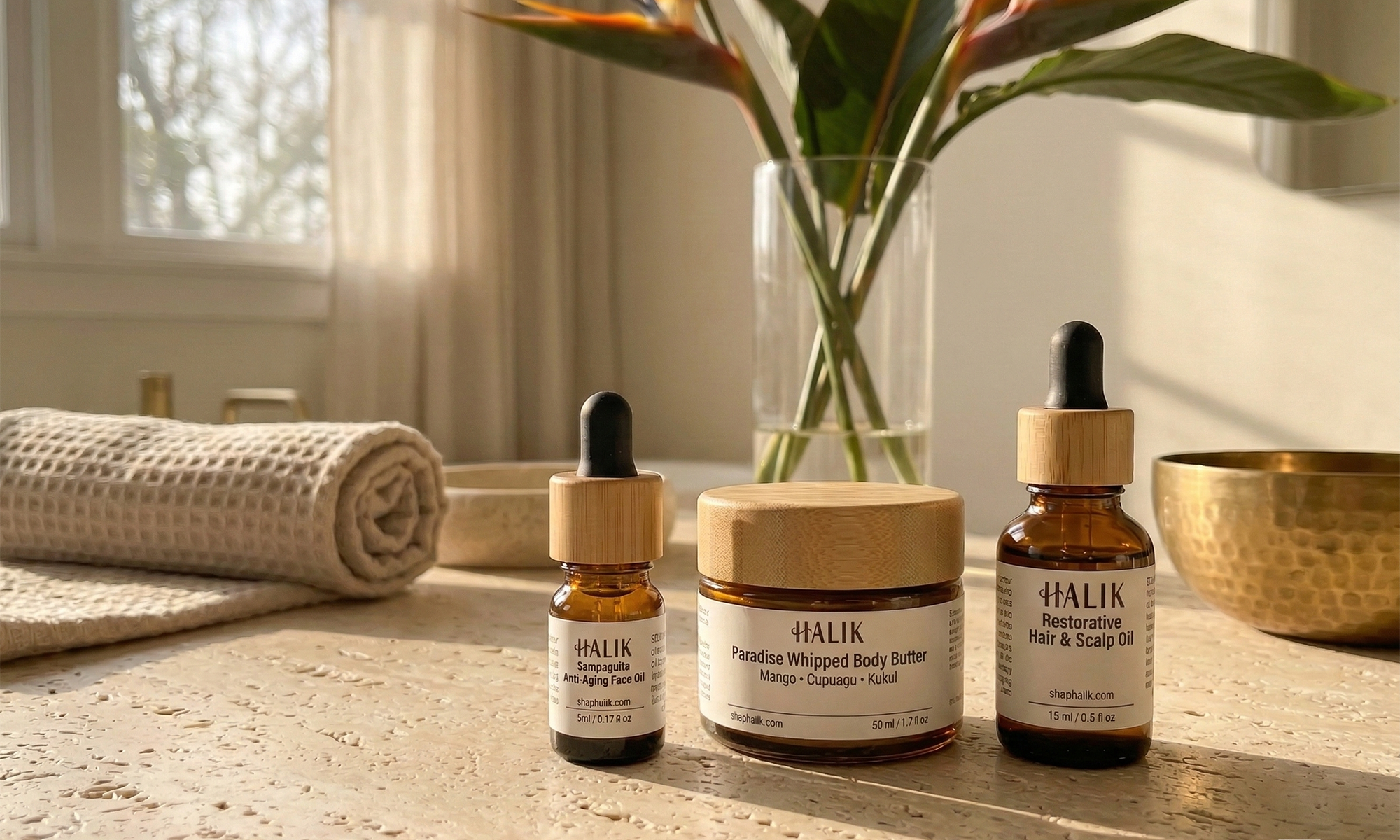
The name Halik means "kiss" in Tagalog, and it reflects a philosophy of skincare built on three pillars: Heritage, Health, and Harmony. Our approach draws from botanical traditions rooted in Filipino heritage, paired with modern formulation science that respects the body's hormonal systems. Some of the botanical ingredients featured in Halik products include: Sampaguita, the national flower of the Philippines, studied for antioxidant compounds, as seen in our Sampaguita Anti-Aging Face Oil Botanical oils that support skin hydration, like those in our Island Body Lotion Botanical butters that restore moisture to dry skin, like those in our Halik Lip Balm and Paradise Whipped Body Butter Each product is designed to feel like a moment of care for both skin and senses, not a step to rush through.
Why Ingredient Transparency Matters More Than the Label
Because the word "clean" carries no enforceable definition, the real signal worth paying attention to is specificity. A brand that names its exclusions, explains its reasoning, and stays consistent across every product description is doing the actual work that the label "clean" implies but does not guarantee. This is why Halik formulates and writes about each ingredient with the same standard: what it is, why we chose it, and what it does, rather than leaning on a single word to carry that weight.
FAQ
Why Consumers Are Moving Toward Clean Luxury
The beauty industry is changing as shoppers ask sharper questions about what they put on their skin. Today's skincare buyers increasingly look for products that are:
Transparent about formulation
Free from unnecessary synthetic additives
Made with high-quality botanical ingredients
Crafted with intention, not just marketed with it
This shift is not just anecdotal. Industry research on the clean beauty movement has pointed to growing consumer skepticism toward synthetic ingredients and opaque labeling, alongside rising demand for sustainability and ethical sourcing across the category. A large share of shoppers now say the purity of what they buy genuinely factors into their purchasing decisions, not as an afterthought, but as a baseline expectation.
Part of what is driving this shift is a simple, often uncomfortable realization: cosmetics in the United States face far less regulatory oversight than most consumers assume. Only a small number of ingredients are formally banned in cosmetics under U.S. law, which means the burden of scrutiny falls largely on the consumer rather than the regulator. Once people understand that, "trust the label" stops being good enough.
That is precisely the gap clean luxury is built to close. Where conventional labeling asks consumers to take a brand's word for it, clean luxury asks brands to do the harder work first: naming specific exclusions, explaining the reasoning behind them, and pairing that transparency with formulation quality good enough to justify the higher price point. It is not a trend chasing a buzzword. It is a response to a real accountability gap, and a bet that shoppers who already care about ingredient safety will also expect the finished product to perform and feel exceptional.
Clean luxury skincare offers a category that can hold both of those expectations at once: safety, efficacy, and sensory pleasure, without asking the consumer to compromise on any of the three.
FAQ
Is clean skincare as effective as conventional skincare?
Many botanical ingredients contain documented antioxidants, fatty acids, and other compounds that support skin health. When carefully formulated, clean skincare can perform on par with conventional formulations.
Does "clean" mean 100% natural?
Not necessarily, and there is no requirement that it does. Clean formulations often combine natural ingredients with safe, well-studied cosmetic science to ensure stability and effectiveness. The defining feature of "clean" is the exclusion of specific ingredients of concern, not a requirement that every ingredient be unprocessed.
Is there an official definition of clean beauty?
No. The FDA does not regulate or define the term "clean beauty," which means each brand sets its own standard. This is why it is worth looking at what a brand specifically excludes and why, rather than relying on the word alone.
Is high-end skincare worth the investment?
High-end formulations typically prioritize ingredient quality, formulation expertise, and sensory experience, which can make a meaningful difference in both results and the daily experience of using a product.
About Halik
Halik is a clean, premium skincare brand inspired by Filipino botanicals and the healing power of natural ingredients. All Halik products are formulated without parabens, PEGs, phthalates, silicones, sulfates and synthetic fragrances.
Related Reading