
Body Butter vs Lotion: Which Moisturizer Is Best?

Body butter and lotion both moisturize skin, but they work differently. Body butter is a concentrated blend of plant butters and oils with little to no water, providing dense, long-lasting hydration. Lotion blends oil with water, absorbing faster but offering lighter coverage. Dermatologists classify the active ingredients in both as emollients, occlusives, or humectants, each playing a distinct role in restoring the skin barrier.
This is the real difference between body butter and lotion, the dermatological reasoning behind it, and which one belongs in your ritual.
Why Moisturizing Matters
Skin depends on an intact moisture barrier to stay soft, resilient, and protected. According to dermatology research published in the Journal of the American Academy of Dermatology, moisturizers work through three main mechanisms: occlusive agents form a layer that slows water evaporation from the skin's surface, emollients lubricate and soften skin directly, and humectants attract and hold onto water within the skin itself.
Most moisturizers, body butters and lotions included, combine these mechanisms in different ratios. Understanding which mechanism dominates in a given product is the real key to choosing the right one.
What Is Body Butter?
Body butter is a rich, concentrated moisturizer made primarily from plant butters and oils, with little to no added water. Common ingredients include:
Mango butter
Shea butter
Cocoa butter
Cupuaçu butter
Coconut oil
Because body butter contains so little water, it leans heavily on emollient and occlusive properties. It forms a denser protective layer on skin, which is part of why it tends to provide longer-lasting hydration than a water-based product.
Best for:
Very dry or rough skin
Cold or dry climates
Areas prone to roughness, like elbows and knees
What Is Body Lotion?
Body lotion is a lighter moisturizer made by blending water with oils and emulsifiers. Because lotion contains significantly more water than body butter, it absorbs faster and feels lighter on skin.
That water content does come with a tradeoff. Dermatologists generally note that thinner, water-based lotions are less occlusive than thicker creams or ointments, meaning the hydration tends to last a shorter time before needing to be reapplied.
Best for:
Normal to slightly dry skin
Warm weather
Daily, all-over moisturizing
Which Moisturizer Should You Choose?
The right choice depends less on personal preference and more on what your skin and climate actually need.
Choose Body Butter If:
Your skin feels tight, flaky, or rough
You live in a cold or dry climate
You want hydration that lasts through the day
Rich formulas like Halik's Paradise Whipped Body Butter lean into this dense, long-lasting hydration, built around botanical butters and oils that support the skin barrier.
Choose Lotion If:
You want something that absorbs quickly
Your skin is normal or only slightly dry
You prefer a lighter, less heavy feel
Lighter formulas like Halik's Island Body Lotion offer that faster-absorbing hydration without sacrificing botanical nourishment.
Pro Tip: Layering for Maximum Hydration
For very dry skin, layering both products can outperform using either alone. A simple approach:
Apply a humectant-rich product, like a body lotion, to draw moisture into slightly damp skin
Follow with a richer body butter to seal that moisture in
This mirrors the same logic dermatologists use when layering humectants under occlusives, lighter products first, richer products last, to make the most of each ingredient's strength.
When to Apply Moisturizer for Best Results
According to the American Academy of Dermatology, the best time to apply any moisturizer, body butter or lotion, is within a few minutes of bathing or showering, while skin is still damp. This timing helps trap existing moisture at the skin's surface before it evaporates, rather than trying to hydrate dry skin from scratch.
FAQ
Is body butter better than lotion?
Neither is universally better. Body butter is richer and more occlusive, making it better suited to very dry skin or cold climates. Lotion is lighter and absorbs faster, making it a better fit for everyday use or warmer weather.
Can you use body oil and body butter together?
Yes. Applying a lighter oil first allows it to penetrate skin, and following with a body butter helps seal that hydration in, similar to how humectants and occlusives are layered in dermatology-recommended routines.
When should you apply moisturizer?
The American Academy of Dermatology recommends applying moisturizer within a few minutes of bathing or showering, while skin is still slightly damp, to lock in moisture before it has a chance to evaporate.
Why does body butter last longer on skin than lotion?
Body butter contains far less water than lotion, which means it relies more heavily on emollient and occlusive ingredients that form a denser barrier on the skin's surface, slowing moisture loss more effectively than a lighter, water-based formula.
Finding the Right Moisturizer for Your Skin
Every skin type is different, and the right moisturizer is the one that matches your skin's actual needs in that season, not just a preference for richness or lightness. Whether that means the deep, sealing hydration of a body butter or the faster, lighter feel of a lotion, the ingredients matter as much as the format.
Sources
Journal of the American Academy of Dermatology — Guidelines of care for the management of atopic dermatitis (definitions of emollients, occlusives, and humectants) – https://www.jaad.org/article/S0190-9622(14)01257-2/fulltext
American Academy of Dermatology — Dermatologists' Top Tips for Relieving Dry Skin – https://www.aad.org/public/everyday-care/skin-care-basics/dry/dermatologists-tips-relieve-dry-skin
Related Reading



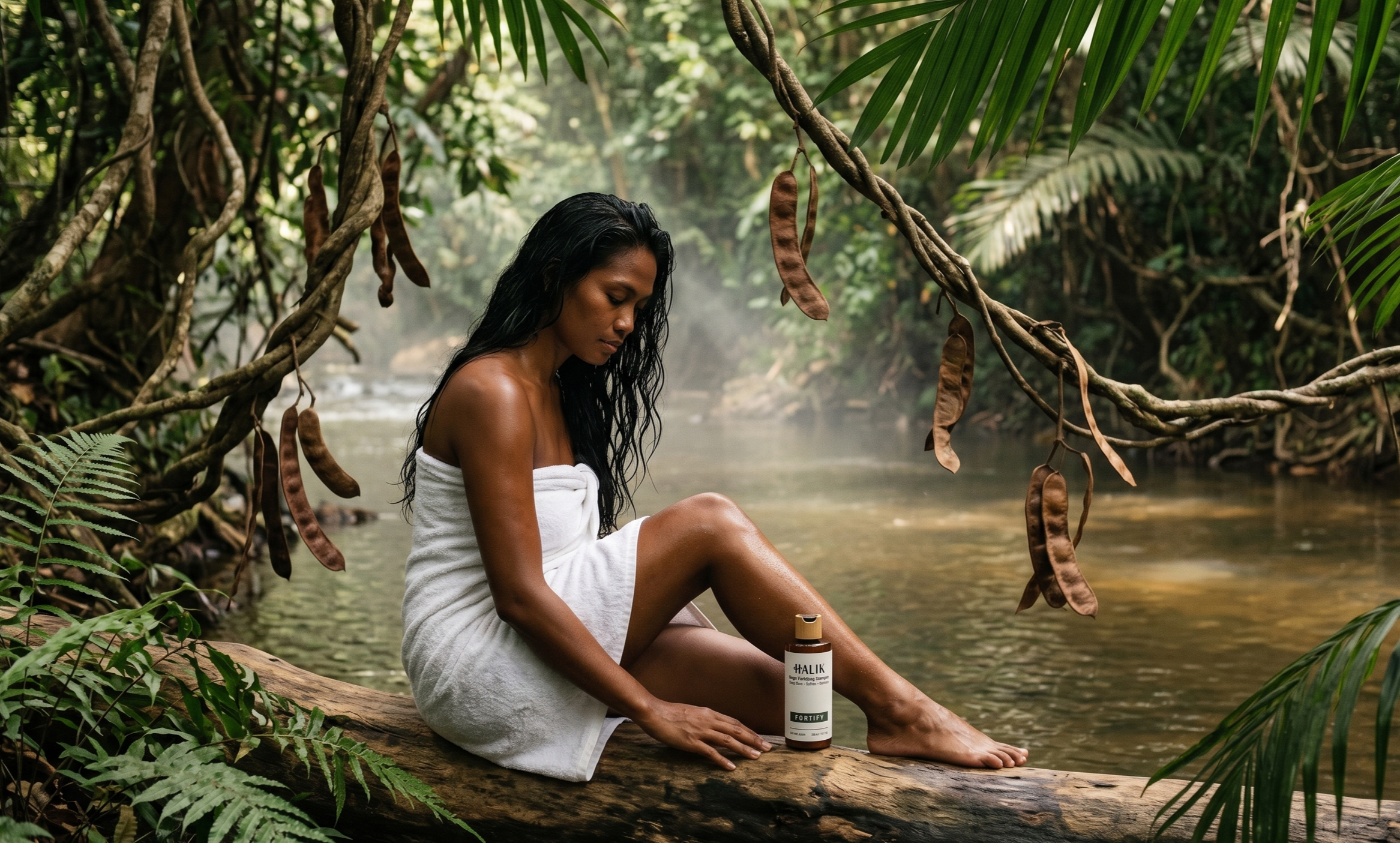
About Halik
Halik is a clean, premium skincare brand inspired by Filipino botanicals and the healing power of natural ingredients. All Halik products are formulated without parabens, PEGs, phthalates, silicones, sulfates and synthetic fragrances.
