
Why Your Skin Barrier Is the Foundation of Clean Beauty, and How to Protect It

Halik explores why the skin barrier is the cornerstone of clean beauty, how conventional products disrupt it, and how bio-compatible, botanically rich formulations actively support its restoration. The article covers the science of the stratum corneum, common barrier disruptors including endocrine-disrupting compounds, and ingredient-led guidance for rebuilding and protecting barrier function, with an FAQ section addressing the most searched barrier care questions.
The skin wants to be well. Left undisturbed, it knows how to hold moisture, deflect irritants, and maintain the quiet equilibrium that makes it glow. But somewhere between the synthetic fragrances, hormone-disrupting preservatives, and aggressively stripping cleansers that have become standard in conventional beauty, that equilibrium gets interrupted.
This is where the skin barrier conversation begins, not as a trend, but as the foundation of everything we believe about clean beauty at Halik.
What Is the Skin Barrier?
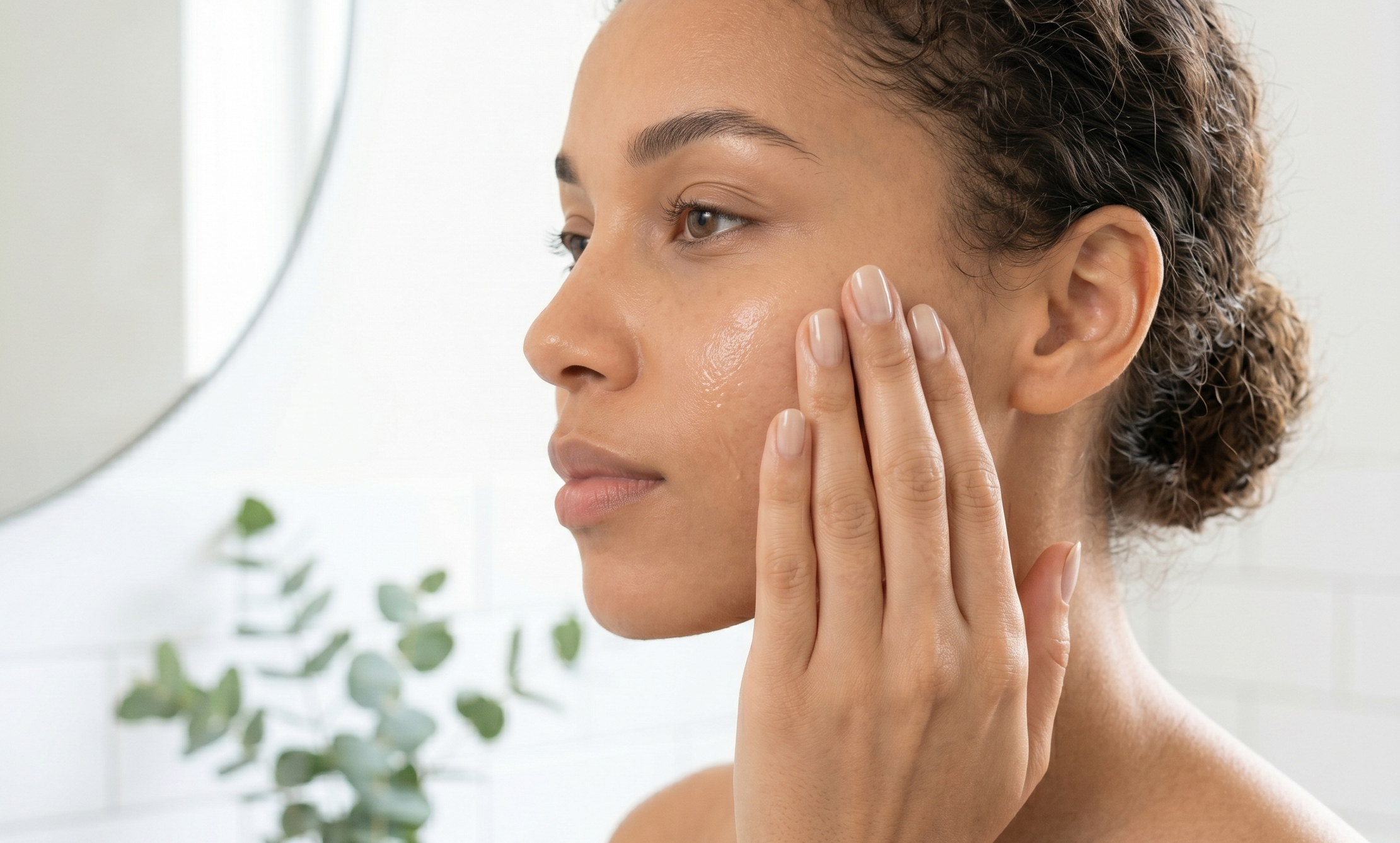
The skin barrier, known scientifically as the stratum corneum, is the outermost layer of your skin. Think of it as a living mosaic: skin cells called corneocytes held together by a matrix of lipids, including ceramides, fatty acids, and cholesterol. Together, they form a seal that keeps moisture in and environmental aggressors out.
But the skin barrier is more than a physical structure. It is part of your body's immune response, a regulator of water loss, and a gatekeeper that determines what absorbs into your bloodstream. When it functions well, skin feels supple, calm, and resilient. When it doesn't, that's when the signals begin.
Why the Skin Barrier Matters for Clean Beauty
At Halik, we came to clean beauty through a personal reckoning with endocrine health. What we discovered along the way is that many conventional products marketed for "hydration" or "anti-aging" actually compromise the very barrier they claim to support.
Here's why that matters: the skin barrier doesn't just affect how your skin looks. It determines what gets in. A compromised barrier is more permeable, meaning it absorbs more of what you put on it, including synthetic fragrances, parabens, phthalates, and other endocrine-disrupting compounds that can quietly interfere with your hormonal ecosystem.
Clean beauty, then, is not simply about what a product leaves out. It's about formulating in a way that actively supports the barrier's integrity, so that what does absorb is bio-compatible, restorative, and safe for your whole body.
Signs Your Skin Barrier May Be Compromised
The skin communicates clearly when something is off. Some of the most common signals of a disrupted barrier include:
Persistent dryness or tightness, even after moisturizing
Redness, sensitivity, or stinging when applying products
Frequent breakouts in areas that weren't previously prone
A feeling of rawness or reactivity to environmental changes
Skin that seems to absorb product endlessly without ever feeling quenched
Any of these signs can point to a barrier that needs less intervention and more intentional nourishment.
What Damages the Skin Barrier?
Understanding what disrupts the barrier is as important as knowing how to restore it.
Harsh cleansers and over-cleansing. Surfactants that strip the skin's natural oils disrupt the lipid matrix and leave the barrier exposed. The way you cleanse matters as much as what you cleanse with.
Synthetic fragrances. One of the most common sensitizers in conventional skincare, synthetic fragrance can trigger inflammation and degrade barrier function over time.
Endocrine-disrupting ingredients. Compounds like parabens, oxybenzone, and certain phthalates don't simply sit on the skin's surface. Through a compromised barrier, they can enter the bloodstream and interact with hormonal receptors, creating systemic effects that reach far beyond the skin.
Over-exfoliation. Physical and chemical exfoliation can be deeply beneficial when practiced with care, but overuse thins the protective layer and leaves the skin raw and reactive.
Environmental stressors. UV radiation, pollution, and cold dry air all deplete the barrier's lipid reserves, making restorative botanicals and antioxidants a daily necessity rather than an occasional ritual.
How to Protect and Restore Your Skin Barrier the Halik Way
Barrier support is not about layering on more product. It is about choosing ingredients that speak the skin's language: lipids that mirror its natural composition, botanicals with anti-inflammatory intelligence, and formulations free from the compounds that undermine its work.
Cleanse with Care
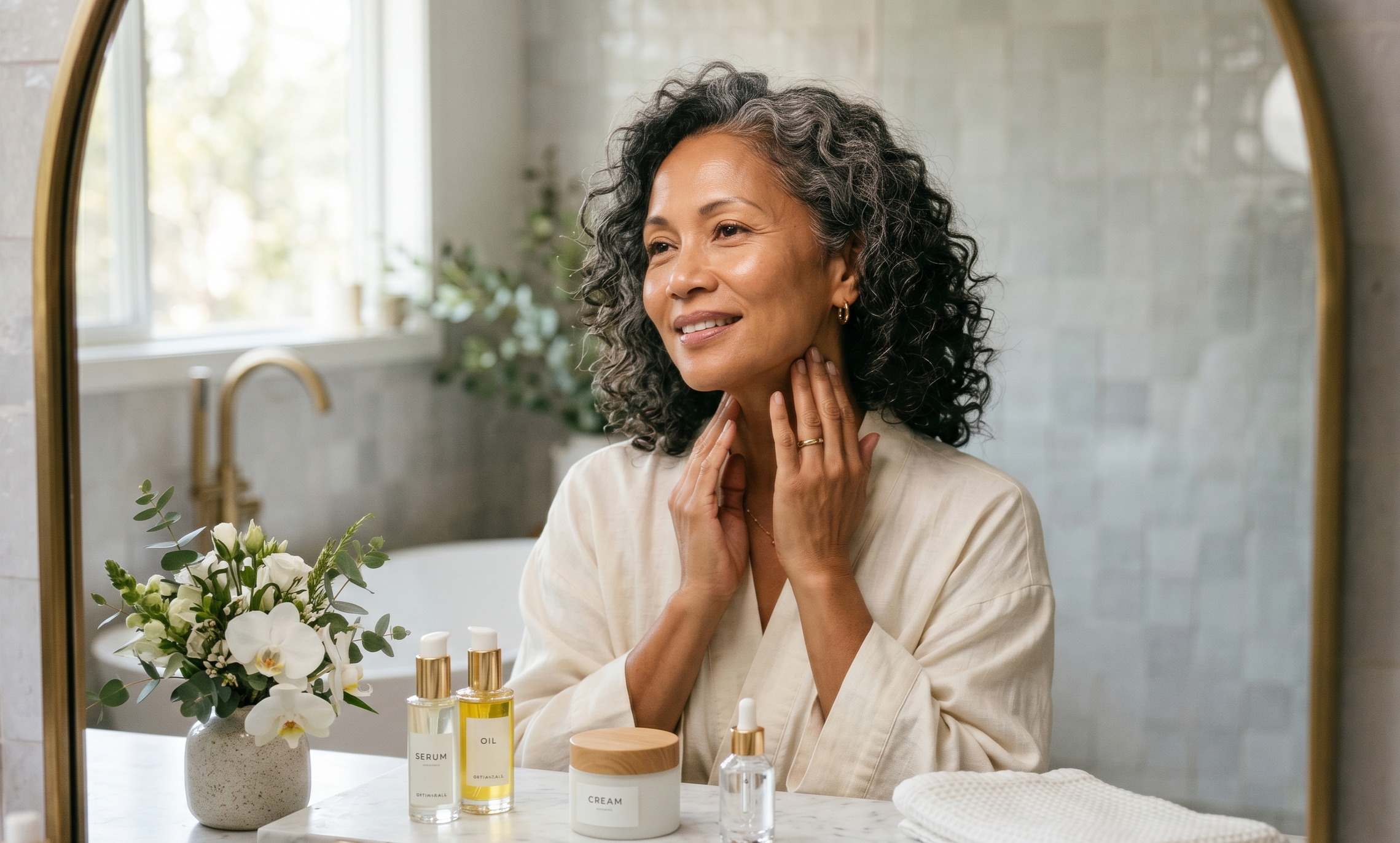
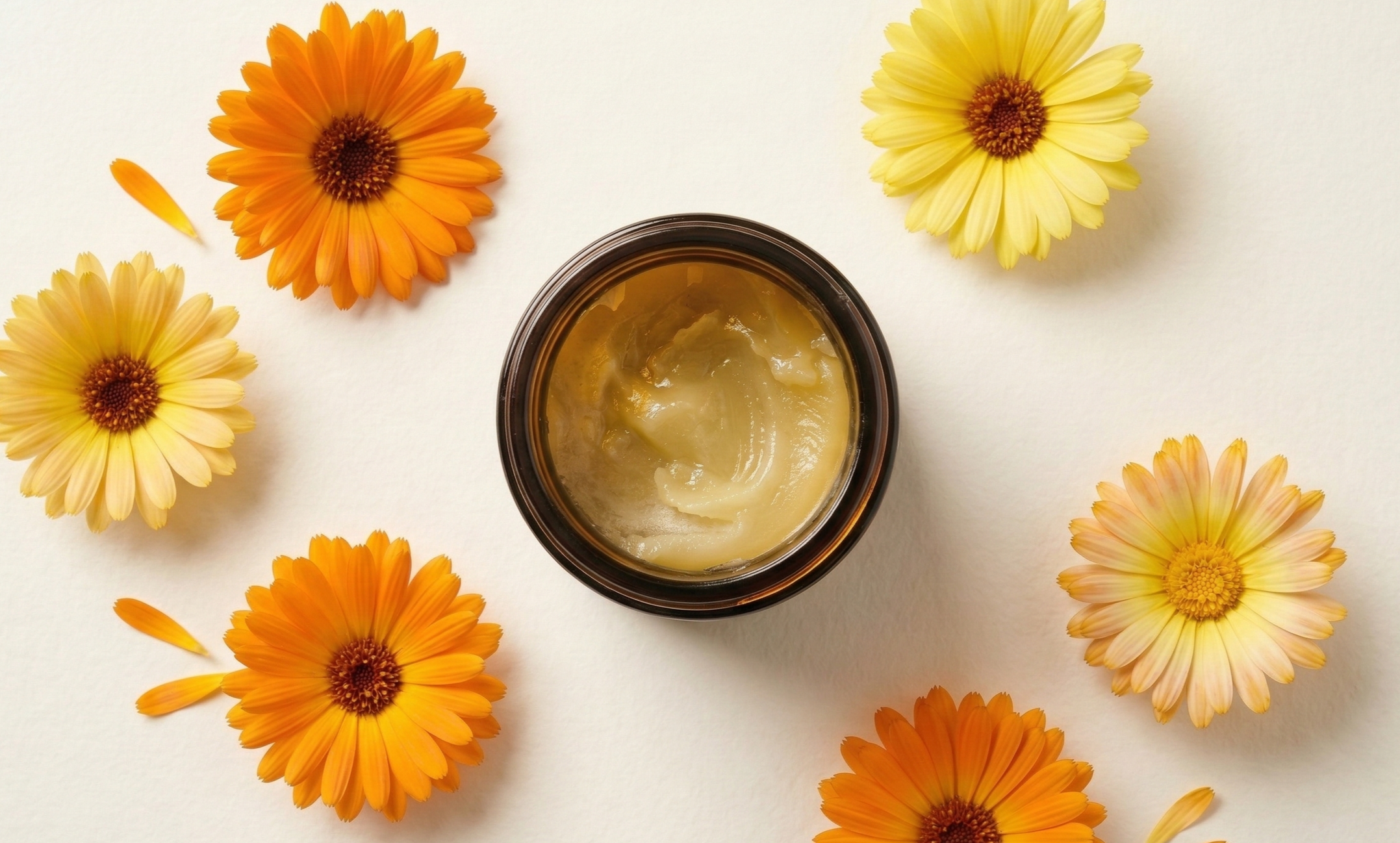
The first step of any ritual should honor the barrier rather than breach it. Our Calendula Facial Cleansing Balm uses a base of shea and apricot kernel oil to melt away impurities without disturbing the lipid layer, followed by calendula's natural antimicrobial and anti-inflammatory properties to calm and clarify. The emulsification method, adding water to transform the balm into a gentle milk, ensures that cleansing never feels like stripping.
Nourish with Fatty Acids
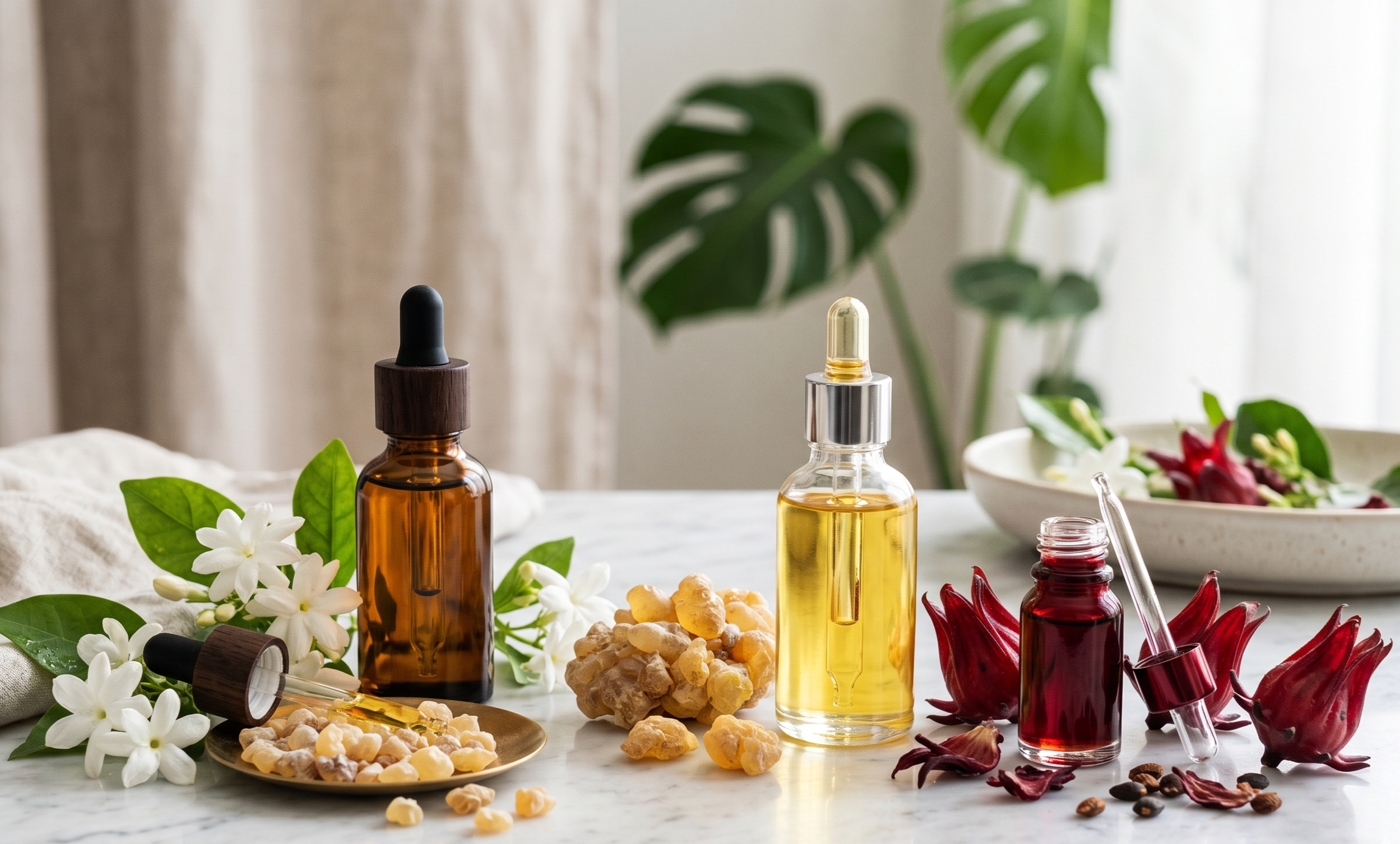
Ceramides, linoleic acid, and oleic acid are the building blocks of a healthy barrier. Our Sampaguita Anti-Aging Face Oil delivers these through a thoughtfully curated blend of jojoba, castor, and hibiscus seed oils, alongside papaya and frankincense sacra, which support collagen production and calm inflammation. Applied as the final step of your evening ritual, it seals and restores as you rest.
Moisturize with Botanical Intelligence
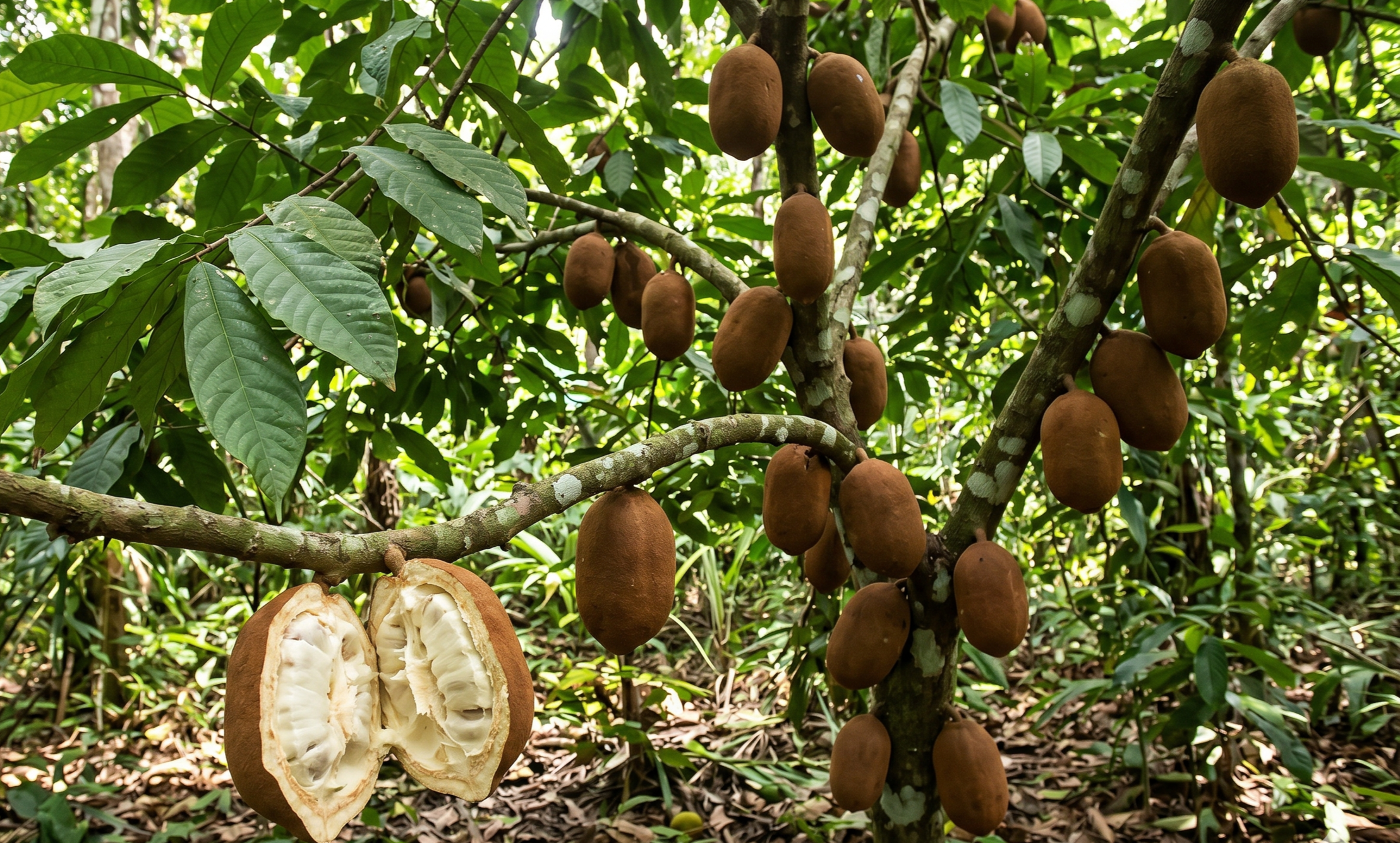
Not all moisturizers are created equal. Look for ingredients that mirror the skin's own lipid profile: shea butter, mango butter, and cupuaçu each fortify the barrier from within, replenishing what daily exposure depletes. Our Island Body Lotion and Paradise Whipped Body Butter are formulated around exactly these botanicals, alongside hydrolyzed baobab protein and antioxidant-rich açaí, to support the barrier across every inch of skin.
Shield from the Outside
Passion fruit seed oil, featured in our HalikLip Balm and body formulations, is rich in antioxidants and essential fatty acids that help neutralize the oxidative stress caused by UV exposure and environmental pollution. Think of it as a botanical shield that works in harmony with your barrier rather than bypassing it.
Simplify Your Ritual
One of the most underrated forms of barrier care is restraint. Fewer products, chosen with intention, allow the skin to regulate itself. When every ingredient earns its place in the formulation, the barrier has room to breathe, repair, and restore.
A Note on Endocrine Safety and the Whole-Body View
At Halik, barrier care is inseparable from endocrine health. We formulate with both in mind because we know that what you put on your skin is never truly separate from what happens inside your body. Every ingredient we choose is vetted not just for its efficacy on the surface, but for its compatibility with your body's hormonal intelligence.
This is the deeper promise of clean beauty: not just skin that looks healthy, but a body that feels safe in its own ecosystem.
FAQ
-
The skin barrier is the outermost layer of your skin, a matrix of cells and lipids that seals in moisture and keeps irritants, bacteria, and environmental toxins out. When it functions well, skin is resilient, hydrated, and calm. When it's compromised, it becomes more permeable, more reactive, and more susceptible to absorbing potentially harmful ingredients.
-
Common signs include persistent dryness that doesn't respond to moisturizer, stinging or burning when applying products, increased sensitivity or redness, frequent breakouts, and a feeling of tightness or rawness. If your skin has become reactive to products it previously tolerated, that is often a strong signal of barrier disruption.
-
Yes, and meaningfully so. Formulations built around barrier-compatible ingredients, such as fatty acids, plant-based lipids, and anti-inflammatory botanicals, can actively restore the lipid matrix over time. The key is consistency and choosing products free from the synthetic ingredients that continue to disrupt barrier function even as they claim to restore it.
-
Prioritize ingredients that mirror the skin's natural lipid composition: linoleic and oleic fatty acids, shea butter, jojoba oil, and mango butter. Anti-inflammatory botanicals like calendula, frankincense, and papaya also support barrier recovery by calming the immune response and reducing oxidative stress.
-
Synthetic fragrances, high-concentration alcohol formulations, parabens, phthalates, and sulfate-heavy cleansers are among the most common barrier disruptors. Endocrine-disrupting compounds are of particular concern; a compromised barrier allows deeper absorption, increasing systemic exposure.
-
When done correctly, double cleansing begins with an oil-based cleanser to lift oil-soluble impurities like sunscreen and sebum, then follows with a water-based cleanser for a thorough but gentle finish. The emulsification step is key: adding water to activate the oil cleanser's emulsifiers lifts impurities without stripping the skin's natural lipids, preserving the barrier rather than breaching it.
-
More than most people realize. A compromised skin barrier allows greater absorption of topically applied ingredients, including endocrine-disrupting compounds found in many conventional products. Protecting your barrier is therefore not just a skincare concern; it is a systemic wellness practice that supports your body's hormonal equilibrium.
Related Reading


About Halik
Halik is a clean luxury skincare brand inspired by Filipino botanicals and the healing power of natural ingredients.
All Halik products are formulated without harmful chemicals, parabens, phthalates, sulfates and synthetic fragrances.
