
Hilot: The Ancient Filipino Healing Tradition
Hilot is a traditional Filipino healing practice that uses therapeutic massage, herbal oils, and intuitive touch to diagnose and treat physical imbalances. Practiced for centuries across the Philippines, hilot reflects a holistic wellness philosophy that connects body, nature, and spirit.
Across the islands of the Philippines, healing has long been understood as a balance between body, nature, and spirit. For centuries, Filipino communities practiced a traditional healing system known as hilot, a hands-on therapy that combines massage, herbal medicine, and intuitive diagnosis.
Passed down through generations, hilot is more than a form of massage. It is a holistic healing tradition rooted in indigenous knowledge, community care, and deep connection to the natural world.
Today, hilot remains one of the most enduring expressions of Filipino wellness culture, practiced both in rural villages and modern wellness spaces around the world.
What Is Hilot?
Hilot is a traditional Filipino healing practice that focuses on restoring balance in the body through therapeutic touch, herbal remedies, and energy alignment. The practitioner, known as a manghihilot, uses their hands to locate areas of imbalance in the body, often described as disruptions in the natural flow of energy, circulation, or muscle alignment.
Treatments may include:
Deep tissue massage and manipulation
Use of warm herbal oils
Stretching and joint mobilization
Herbal compresses or poultices
Ritual prayers or spiritual guidance
Unlike Western massage therapies that focus primarily on muscles, hilot approaches healing as a combination of physical, emotional, and spiritual well-being.
Indigenous Roots of Filipino Healing
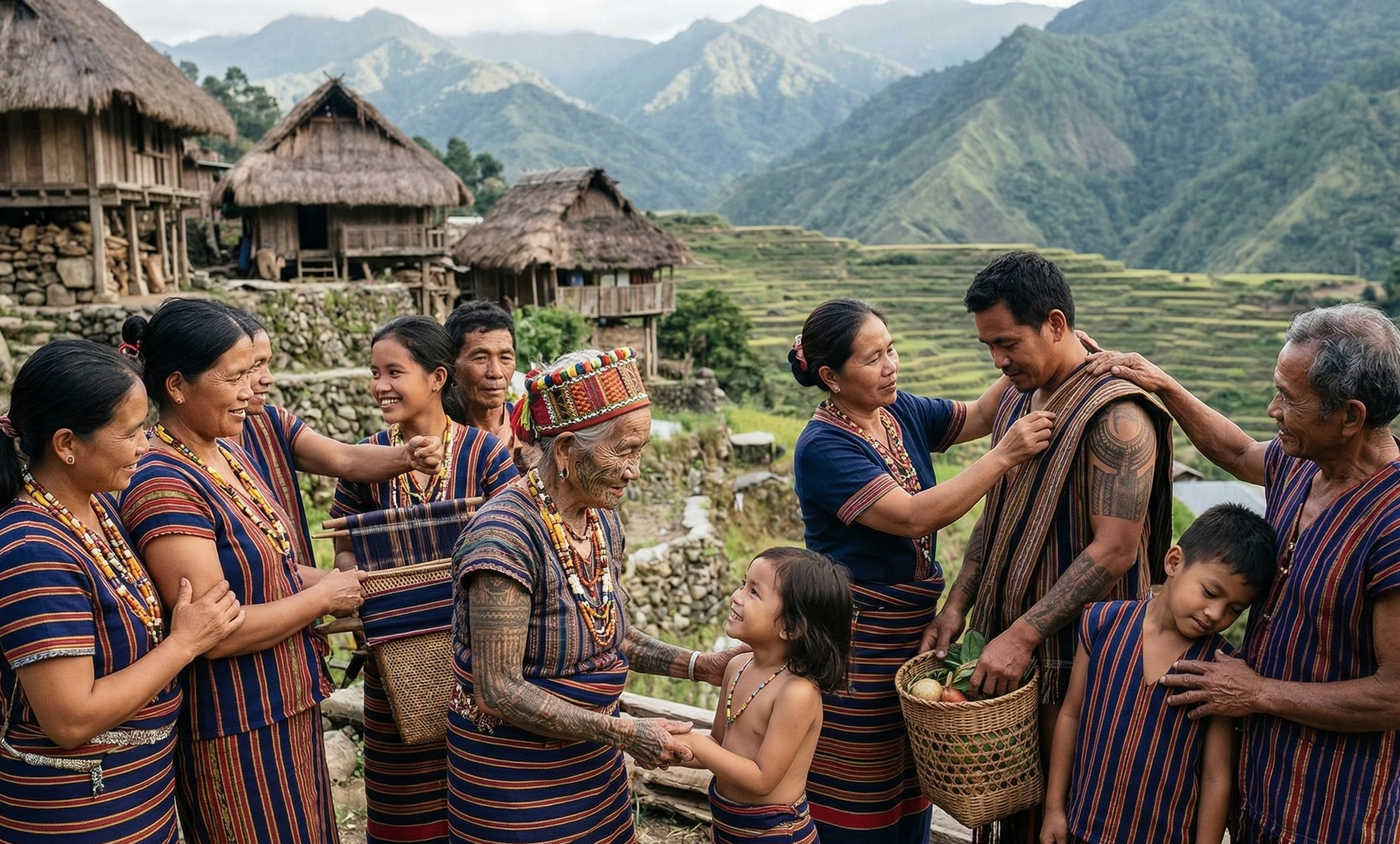
Long before the arrival of Western medicine, indigenous Filipino communities relied on traditional healers to treat illness, injury, and spiritual imbalance. Hilot was practiced throughout the archipelago among numerous ethnic groups. Knowledge was typically passed down through apprenticeships, family lineage, or spiritual calling.
Traditional healers often worked alongside other community specialists such as herbalists and spiritual leaders. Some practitioners were believed to possess a heightened sensitivity to the body’s energy systems, allowing them to locate areas of imbalance through touch alone.
Today, hilot remains one of the most recognizable indigenous healing traditions in Filipino culture.
Diagnosis Through Touch
One of the most distinctive aspects of hilot is how practitioners diagnose health issues. Instead of relying solely on visual symptoms, the manghihilot often uses their hands to “read” the body. Through gentle palpation and pressure, they identify areas that feel tense, swollen, misaligned, or energetically blocked.
This tactile diagnosis helps guide the treatment, which may involve:
Realigning muscles and joints
Encouraging circulation
Releasing tension in connective tissue
Supporting the body’s natural healing processes
In many communities, this intuitive understanding of the body is considered the defining skill of a true manghihilot.
Coconut Oil and Herbal Remedies
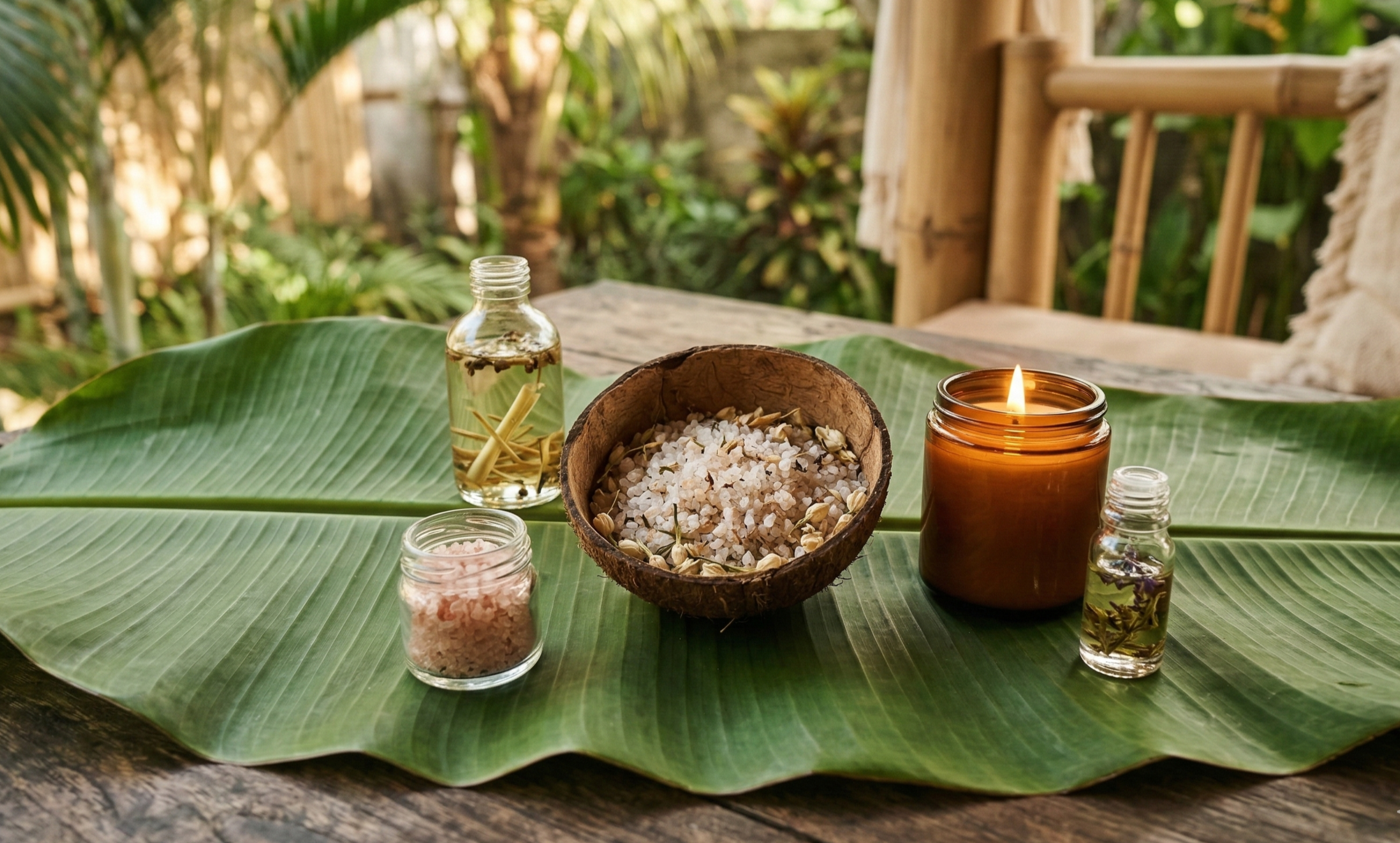
Traditional hilot treatments frequently incorporate natural oils and botanical remedies native to the Philippines. The most common is oil derived from the coconut, which has been used for centuries as both a cooking ingredient and medicinal remedy.
Coconut oil is prized for its:
Skin-nourishing fatty acids
Anti-microbial properties
Smooth glide during massage treatments
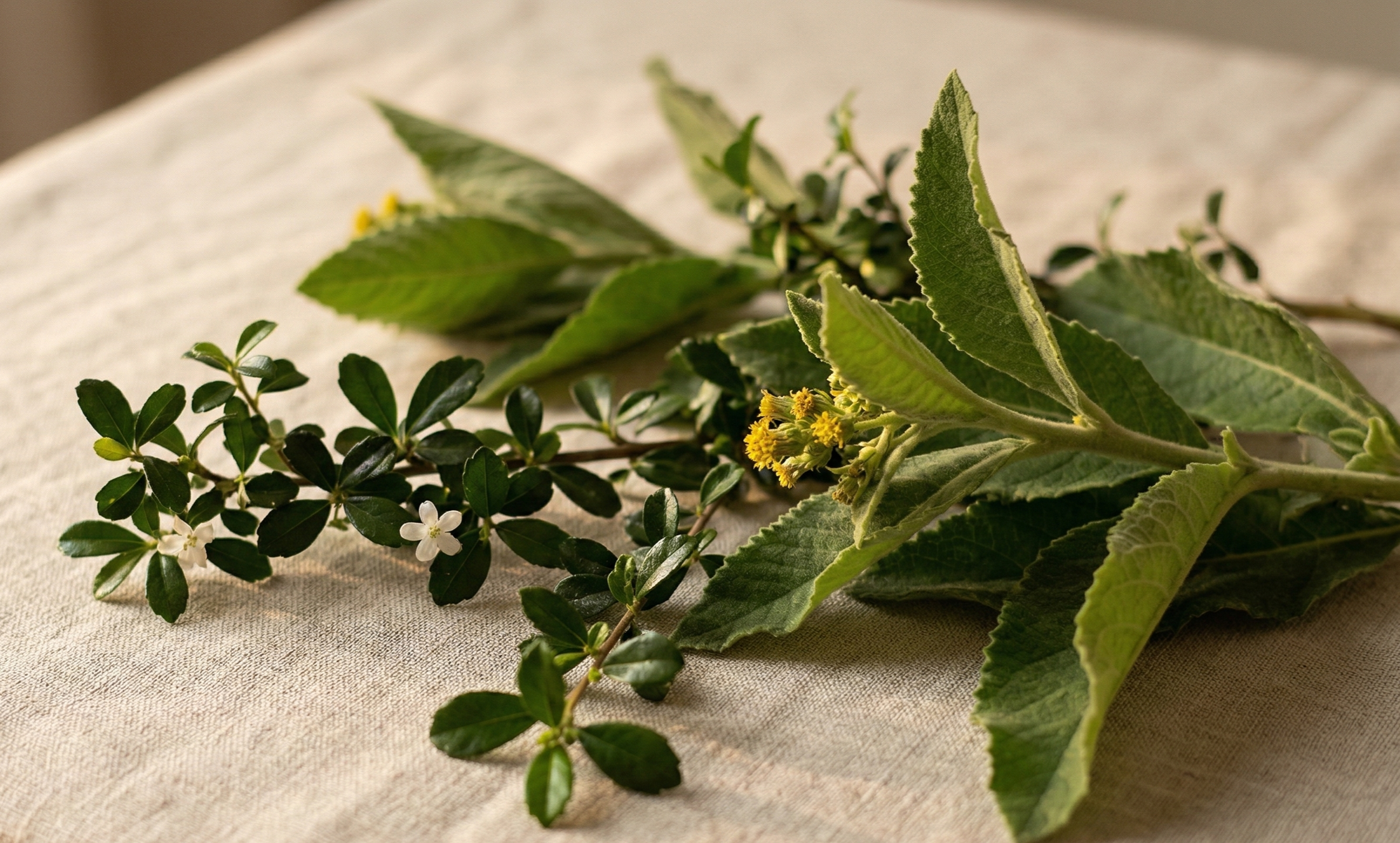
Other botanicals sometimes used in hilot include ginger, lemongrass, and guava leaves—plants long recognized in Filipino folk medicine for their soothing or anti-inflammatory properties. These ingredients reflect the broader Filipino philosophy that healing should come from the land itself.
Hilot and Spiritual Balance
In traditional Filipino worldviews, illness was not always purely physical. It could also stem from emotional imbalance, spiritual disruption, or environmental factors. Because of this, some hilot treatments incorporate spiritual practices such as prayer, blessings, or rituals intended to restore harmony.
This holistic perspective reflects indigenous Filipino beliefs that the body, mind, and spirit are deeply interconnected. While many modern practitioners focus primarily on the physical aspects of massage therapy, the cultural roots of hilot remain strongly tied to this broader understanding of wellness.
Hilot in Pregnancy and Family Care
Historically, hilot practitioners also played an important role in maternal and family health.
Many manghihilot served as community midwives, assisting with:
Prenatal massage to support healthy pregnancy
Guidance during childbirth
Postpartum recovery treatments
These practices were deeply integrated into daily life in many communities, making the manghihilot an essential figure in village healthcare. Even today, many Filipino families continue to seek hilot treatments for muscle pain, fatigue, and general wellness.
A Cultural Tradition Experiencing Revival
Like many indigenous traditions, hilot faced decline during the colonial era when Western medicine became dominant. However, in recent decades there has been renewed interest in preserving traditional Filipino healing knowledge. Organizations such as the Department of Health have recognized the importance of traditional and complementary medicine in Filipino healthcare culture.
Hilot practitioners are increasingly visible in wellness centers, cultural festivals, and educational programs that aim to preserve and teach ancestral healing practices. This revival reflects a broader movement to reclaim indigenous Filipino knowledge systems and recognize their cultural significance.
Hilot and the Filipino Philosophy of Care
At its heart, hilot reflects a distinctly Filipino understanding of wellness—one grounded in compassion, intuition, and community care. Healing was never simply a service performed for strangers. It was a responsibility shared among neighbors, families, and elders.
The manghihilot served as both healer and guide, helping restore balance not only in the body but in the rhythms of daily life. In a modern world increasingly interested in holistic wellness traditions, hilot stands as a powerful reminder of the Philippines’ rich cultural heritage.
FAQ: Hilot Healing Tradition
What is hilot?
Hilot is a traditional Filipino healing practice that uses massage, herbal remedies, and intuitive touch to restore balance in the body. It has been practiced for centuries across the Philippines as part of indigenous healthcare traditions.
What does a manghihilot do?
A manghihilot is a traditional Filipino healer trained in the practice of hilot. They diagnose imbalances through touch and treat the body using massage techniques, herbal oils, and sometimes spiritual rituals.
Is hilot the same as massage therapy?
Hilot includes massage techniques but is broader in scope. It traditionally combines bodywork, herbal medicine, and spiritual elements to address physical, emotional, and energetic balance.
Is hilot still practiced today?
Yes. Hilot continues to be practiced throughout the Philippines and among Filipino communities worldwide. It is increasingly recognized as an important part of the country’s traditional wellness heritage.
Related Reading


About Halik
Halik is a clean luxury skincare brand inspired by Filipino botanicals and the healing power of natural ingredients.
All Halik products are formulated without harmful chemicals, parabens, phthalates, sulfates and synthetic fragrances.