
How Perimenopause Changes Your Skin Barrier (And How to Support It Botanically)
During perimenopause, declining estrogen reduces the skin's production of ceramides, the lipids that hold the skin barrier together. This makes skin more prone to moisture loss, dryness, reactivity, and sensitivity. Supporting the barrier with topical ceramides, botanical oils, and endocrine-safe formulas can meaningfully restore barrier function and resilience during this transition.
There's a particular kind of confusion that comes with perimenopause. Your skin has known you for decades. It's absorbed your rituals, adapted to your climate, found its own version of equilibrium. And then, quietly and without announcement, it starts behaving like it belongs to someone else. Drier than you remember. More reactive. Slower to forgive a missed day of care.
This isn't your imagination, and it isn't aging in the broad, catch-all sense. It's something specific: your skin barrier is changing, and estrogen is at the center of it.
Understanding why helps. And knowing what to do about it, botanically and intentionally, changes everything.
What Perimenopause Actually Does to Your Skin
Perimenopause typically begins in the mid-to-late thirties or forties, though its onset varies widely. During this transition, estrogen levels become erratic before declining, and this hormonal fluctuation has measurable, documented effects on skin.
Estrogen plays a central role in maintaining the skin's structural integrity. It supports collagen and elastin production, regulates sebaceous gland activity, promotes wound healing, and directly influences the production of ceramides, the lipids that hold the skin barrier together. When estrogen begins to decline, all of these functions are affected, often simultaneously.
The result is a barrier that becomes increasingly permeable. Moisture escapes more readily. Environmental stressors, pollutants, allergens, temperature extremes, penetrate more easily. Skin that once tolerated products without complaint may begin to redden, itch, or flake. Sensitivity that feels new is often the barrier, depleted and communicating.
The Ceramide Connection
Of all the changes perimenopause brings to the skin, the ceramide loss may be the most consequential.
Ceramides are lipid molecules that make up a significant portion of the stratum corneum, the outermost layer of the skin. They function like mortar between skin cells, sealing the structure and regulating what moves in and out. Healthy ceramide levels mean skin that holds moisture, resists irritants, and maintains its tone and resilience.
Estrogen directly stimulates ceramide synthesis. As estrogen declines, ceramide production slows, and the skin barrier becomes structurally compromised, less able to do the work it's always done invisibly.
This is why perimenopausal skin doesn't respond to hydration the same way it used to. You can apply moisture, but without a functioning barrier, the skin cannot retain it. The issue isn't dryness in the surface sense. It's barrier permeability at the structural level.
Restoring and supporting ceramide levels, through topical application and through ingredients that help the skin produce and preserve its own, is one of the most effective ways to address this shift.
The Collagen Decline
Collagen loss accelerates significantly during perimenopause. Research suggests that skin loses roughly 30 percent of its collagen in the first five years following the estrogen decline associated with menopause, with the process beginning in the perimenopausal period.
This loss shows up as changes in firmness, texture, and the way skin responds to movement and expression. Fine lines deepen not just because collagen is diminishing, but because the barrier that protects and supports the skin's structure has also been compromised.
Botanical ingredients that support collagen production aren't reversing time. They are providing the skin with the raw materials and protective environment it needs to do what it's still capable of doing.
What to Avoid (and Why Endocrine Safety Matters More Now)
This is the part of the perimenopause conversation that doesn't get enough attention.
When the body's hormonal system is already in flux, the last thing it needs is additional interference from outside. Yet many conventional skincare products contain ingredients that behave as endocrine disruptors, compounds that mimic, block, or otherwise interfere with the body's hormone signaling.
Parabens, phthalates, certain synthetic fragrances, some chemical sunscreen filters, and a range of preservatives have all been studied for endocrine-disrupting potential. For someone navigating the hormonal complexity of perimenopause, the cumulative exposure from a full product regimen is not a minor consideration.
A perimenopause-conscious skincare approach isn't only about what you add to your ritual. It's equally about what you remove.
Every Halik formula is built on this philosophy. Endocrine safety isn't a marketing position; it's a formulation standard. No parabens, no phthalates, no synthetic fragrances, no unnecessary chemical load on a body that is already doing the complex, demanding work of hormonal transition.
Botanical Ingredients That Support the Perimenopausal Skin Barrier
Ceramides
Topically applied ceramides are bio-compatible with the skin's own lipid structure. They integrate into the stratum corneum and directly support barrier function, reducing transepidermal water loss and calming reactivity. For perimenopausal skin, ceramide supplementation through skincare is one of the most evidence-supported approaches available.
The Bayabas Nourishing Face Cream contains a ceramide complex alongside cupuaçu butter, known for its ability to draw hydration deep into the barrier and hold it there. Together, they address barrier permeability from multiple angles.
Guava Seed Oil
Bayabas is the Tagalog word for guava, and it lends this cream its name for good reason. Guava seed oil is exceptionally rich in vitamin C and antioxidants, supporting collagen production and protecting against the free radical damage that accelerates during hormonal transition. It also works to improve skin texture and tone, making it well suited to the changes perimenopause brings.
Squalane
Squalane is naturally produced by the skin, but levels decline with age and hormonal change. As a topical ingredient, sugarcane-derived squalane is exceptionally well tolerated, deeply moisturizing, and non-comedogenic. It replenishes what the skin is no longer producing in sufficient quantity, supporting barrier integrity without any risk of disruption.
The Sampaguita Anti-Aging Face Oil features squalane alongside frankincense sacra, which strengthens skin, supports collagen and elastin, and helps calm the inflammation that perimenopausal skin is increasingly prone to.
Cupuaçu Butter
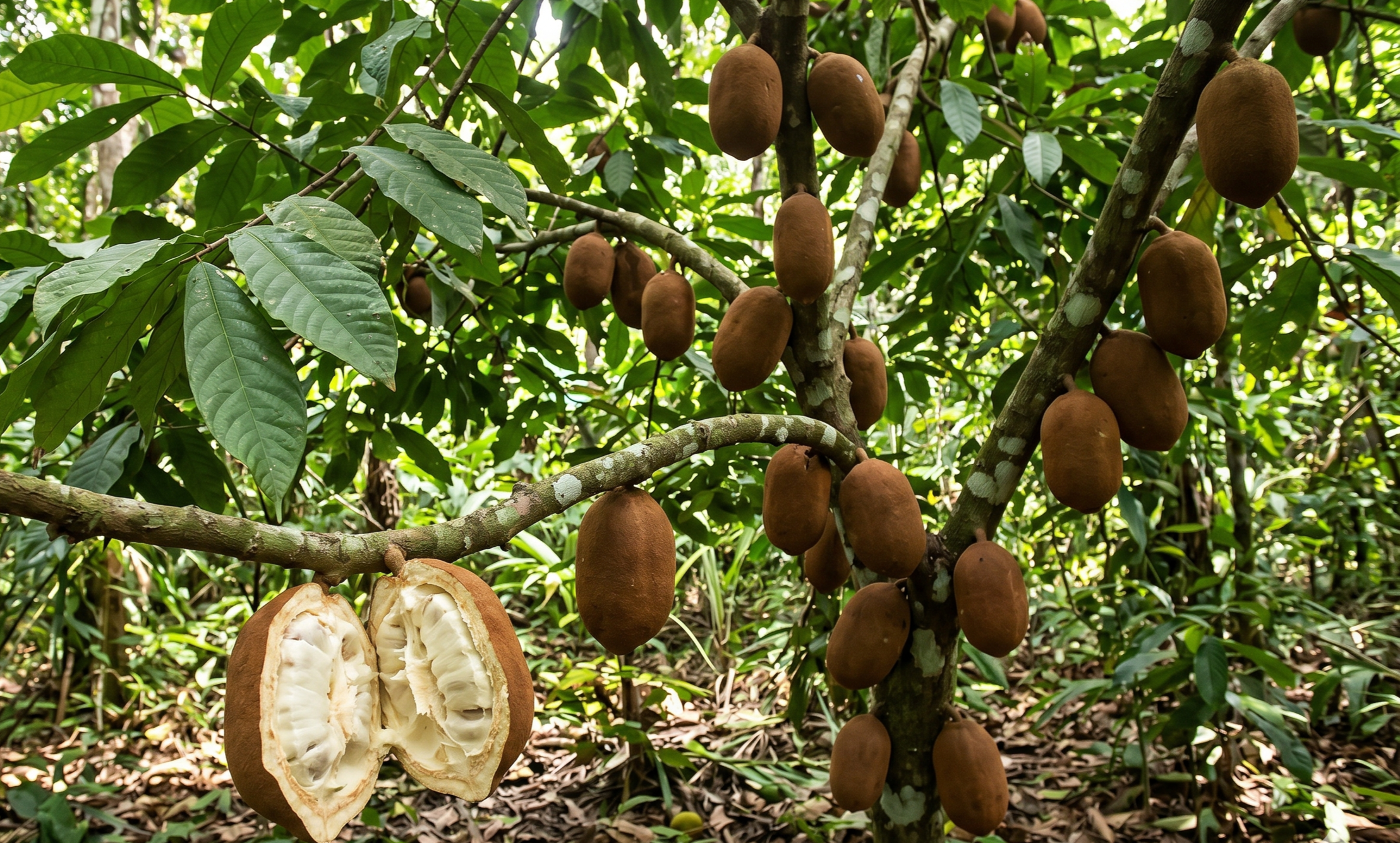
Sourced from the Amazon, cupuaçu butter is one of the most effective plant-based barrier-repair ingredients available. It is rich in phytosterols and fatty acids that help restore damaged skin lipids, and its capacity for moisture absorption is exceptional, drawing hydration into the skin and reducing the transepidermal water loss that characterizes a compromised barrier.
Daikon Seed Extract
A quieter ingredient with significant impact, daikon seed extract is rich in vitamins C and E, offering antioxidant protection, barrier support, and brightening benefits. It moisturizes deeply while helping address the uneven pigmentation that often accompanies the hormonal fluctuations of perimenopause.
Ginseng Root
Ginseng improves skin elasticity and helps protect against environmental stressors, including UV radiation and pollution, that accelerate the barrier compromise perimenopause already creates. It brings long-term resilience to a skin barrier that is navigating new vulnerability.
Calendula
For cleansing, the barrier is only as supported as the products that first touch it. Calendula is a time-honored botanical with antiseptic, anti-inflammatory, and soothing properties. A cleansing ritual that doesn't strip is essential for perimenopausal skin; the Calendula Facial Cleansing Balm dissolves the day without disturbing the barrier beneath, preparing skin to receive what comes next.
Açaí and Frankincense
Açaí, present in both the Paradise Whipped Body Butter and the Sampaguita Face Oil's extended family of botanicals, offers concentrated antioxidant support that combats the free radical damage accelerated during perimenopause. Frankincense brings calming, anti-inflammatory support alongside its known ability to stimulate collagen and elastin.
A Botanical Ritual Framework for Perimenopausal Skin
Perimenopausal skin benefits from consistency, gentleness, and a formula philosophy that works with the barrier rather than challenging it.
Cleanse without stripping. The first step sets the tone. A balm-format cleanser dissolves impurities without disturbing the lipid layer. Follow with a water-based cleanser appropriate for your skin type.
Repair and reinforce. After cleansing, ceramide-rich moisturization is the priority. The Bayabas Nourishing Face Cream delivers ceramides, cupuaçu butter, and daikon extract in a formula designed specifically to support the compromised barrier.
Seal with a botanical oil. Face oil used as the final step locks in moisture, provides antioxidant protection, and supports the skin's lipid barrier from the outside. The Sampaguita Anti-Aging Face Oil, with its squalane, frankincense, and papaya oil, functions as a restorative final layer in morning and evening rituals alike.
Extend the ritual beyond the face. Perimenopausal skin changes everywhere, not just the face. The body's barrier is subject to the same ceramide and collagen loss. The Paradise Whipped Body Butter layered with the Island Body Lotion addresses this comprehensively; the butter's deep botanical richness followed by the lotion's lightweight, baobab-powered absorption creates the same layered, restorative approach for skin from the neck down.
Mind what you bring into contact with skin. Endocrine-safe formulations matter more during perimenopause than at any other stage. Read ingredient lists. Know what you're putting on a body in the midst of hormonal transition.
FAQ
-
The skin barrier is the outermost layer of the skin, the stratum corneum, made up of skin cells held together by lipids including ceramides, cholesterol, and fatty acids. It regulates moisture retention and protects against environmental aggressors. During perimenopause, declining estrogen reduces ceramide production and compromises this structure, making skin more prone to dryness, reactivity, and sensitivity.
-
A compromised skin barrier allows irritants, allergens, and environmental stressors to penetrate more easily. Skin that was previously resilient may become reactive not because it has developed a new sensitivity, but because the barrier that once filtered those stressors is no longer as intact. Supporting barrier function with ceramide-rich, botanical skincare can significantly reduce this reactivity.
-
Yes. Topically applied ceramides are bio-compatible with the skin's own lipid structure and have been shown to integrate into the stratum corneum, reduce transepidermal water loss, and improve barrier function. They are one of the most well-studied topical ingredients for barrier repair.
-
During perimenopause, the body's hormonal system is already navigating significant change. Endocrine-disrupting chemicals found in many conventional skincare products, including parabens, phthalates, and certain synthetic fragrances, can interfere with hormone signaling. Minimizing this chemical load through endocrine-safe formulations reduces unnecessary stress on a system already in flux.
-
A general framework: cleanse gently, apply any water-based serums, follow with a ceramide-rich moisturizer, and finish with a botanical face oil to seal and protect. In the morning, this ritual prepares the barrier for the day; in the evening, it supports the repair processes that occur overnight.
-
Botanical ingredients won't replace the collagen production driven by estrogen, but several have meaningful evidence for supporting the skin's own synthesis. Vitamin C-rich botanicals like guava seed oil, antioxidant-rich ingredients like frankincense and açaí, and squalane all contribute to an environment in which the skin is better equipped to produce and protect its structural proteins.
Related Reading

About Halik
Halik is a clean luxury skincare brand inspired by Filipino botanicals and the healing power of natural ingredients.
All Halik products are formulated without harmful chemicals, parabens, phthalates, sulfates and synthetic fragrances.
