
Filipino Herbal Medicine: Traditional Botanicals of the Islands
Filipino herbal medicine refers to the traditional use of plants and botanicals for healing and wellness in the Philippines. For centuries, Filipino healers such as the albularyo used local herbs like lagundi, sambong, and tsaanggubat to treat illness, support recovery, and maintain health. These plant-based remedies remain an important part of Filipino cultural and medical traditions today.
Across the tropical landscape of the Philippines, plants have long played a central role in healing and wellness. Long before the arrival of modern medicine, Filipino communities relied on a deep knowledge of local herbs, roots, leaves, and flowers to treat illness and maintain health.
This tradition of Filipino herbal medicine, sometimes called halamang gamot, reflects a close relationship between people and the natural environment. Passed down through generations, these botanical remedies remain an important part of Filipino culture today.
The Indigenous Roots of Herbal Healing
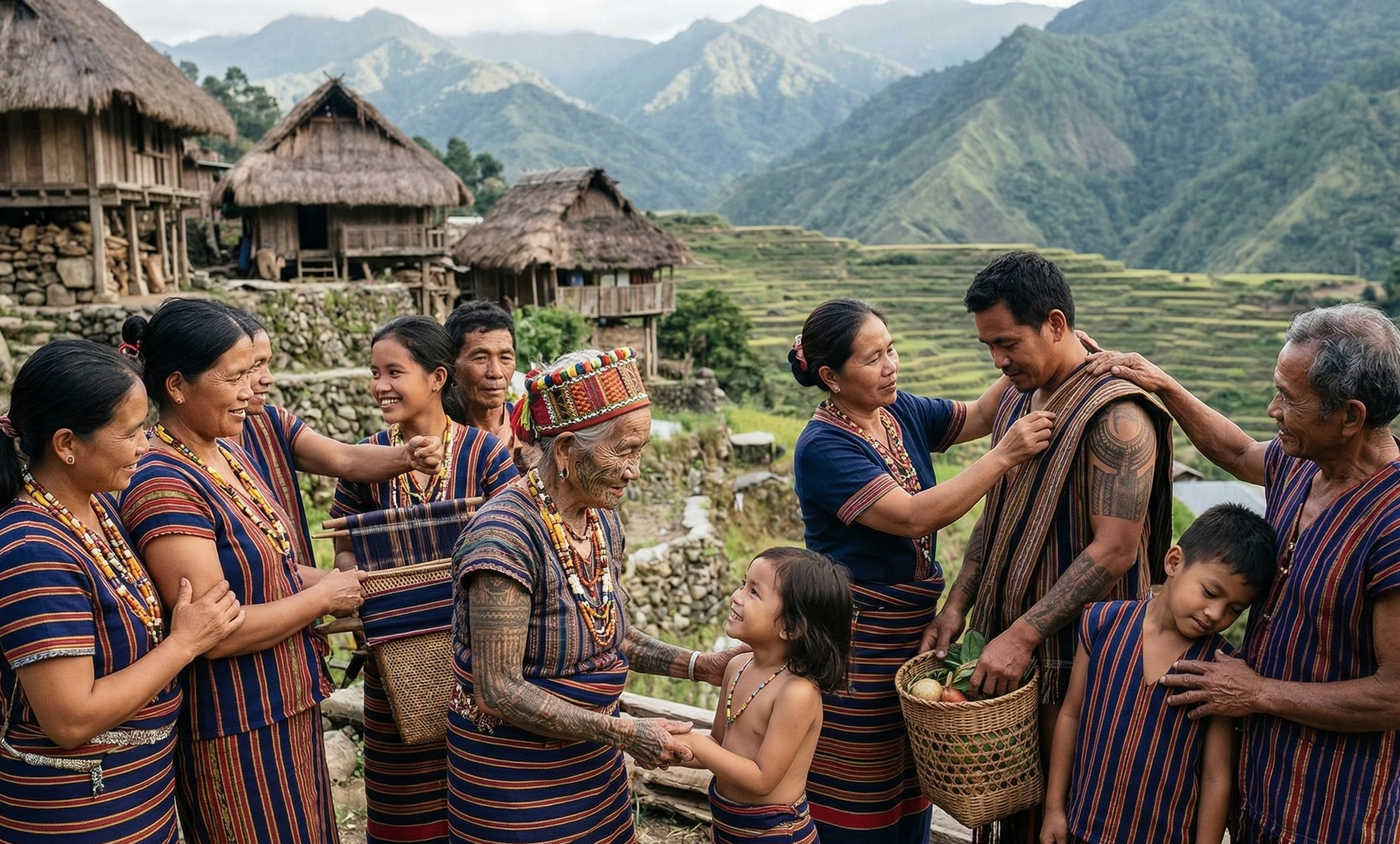
For centuries, Filipino healers used plants found in forests, gardens, and coastal landscapes as medicine.These herbal traditions were guided by community healers such as the albularyo, a traditional herbalist and spiritual healer who combined botanical knowledge with ritual practices.
Through observation, experimentation, and oral tradition, communities developed a sophisticated understanding of which plants could soothe pain, treat infections, or support recovery. Knowledge was typically passed down within families or learned through apprenticeship, creating a living tradition that connected generations.
Medicinal Plants of the Philippines
The Philippines is one of the most biodiverse regions in the world, with thousands of plant species used historically for healing and wellness.
Among the most well-known medicinal plants are:
Lagundi
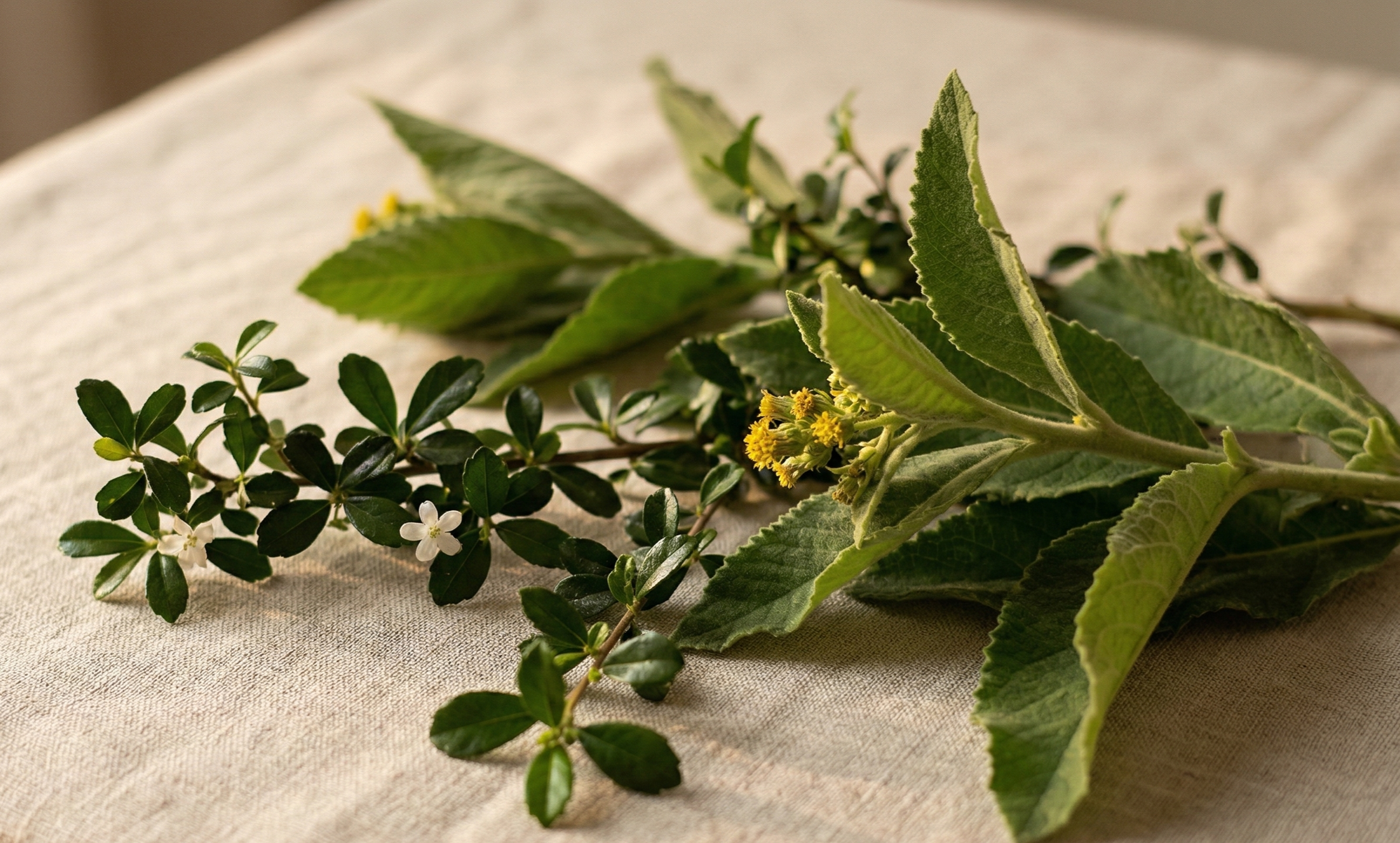
The shrub vitex negundo, commonly known as lagundi, has long been used to treat coughs, asthma, and respiratory conditions. Its leaves are often brewed into teas or decoctions to help ease breathing and inflammation.
Today, lagundi is recognized by the Philippines Department of Health as one of the country’s officially supported medicinal plants.
Sambong
Another widely used medicinal herb is blumea balsamifera, known locally as sambong. Traditionally used as a diuretic, sambong tea has been used to help support kidney health and urinary function.
Its aromatic leaves have also been used in baths or compresses for muscle pain and fatigue.
Tsaang Gubat
Ehretia microphylla, called tsaang gubat, is a shrub whose leaves have been brewed into herbal tea for digestive health. Historically, it was used to help relieve stomach discomfort and diarrhea.
Herbal Medicine in Everyday Life
Unlike modern pharmaceutical treatments, traditional Filipino herbal medicine was integrated into daily life. Families often kept small herb gardens outside their homes, cultivating plants used for cooking and healing alike.
Common remedies included:
Herbal teas brewed from fresh leaves
Crushed plant poultices applied to wounds
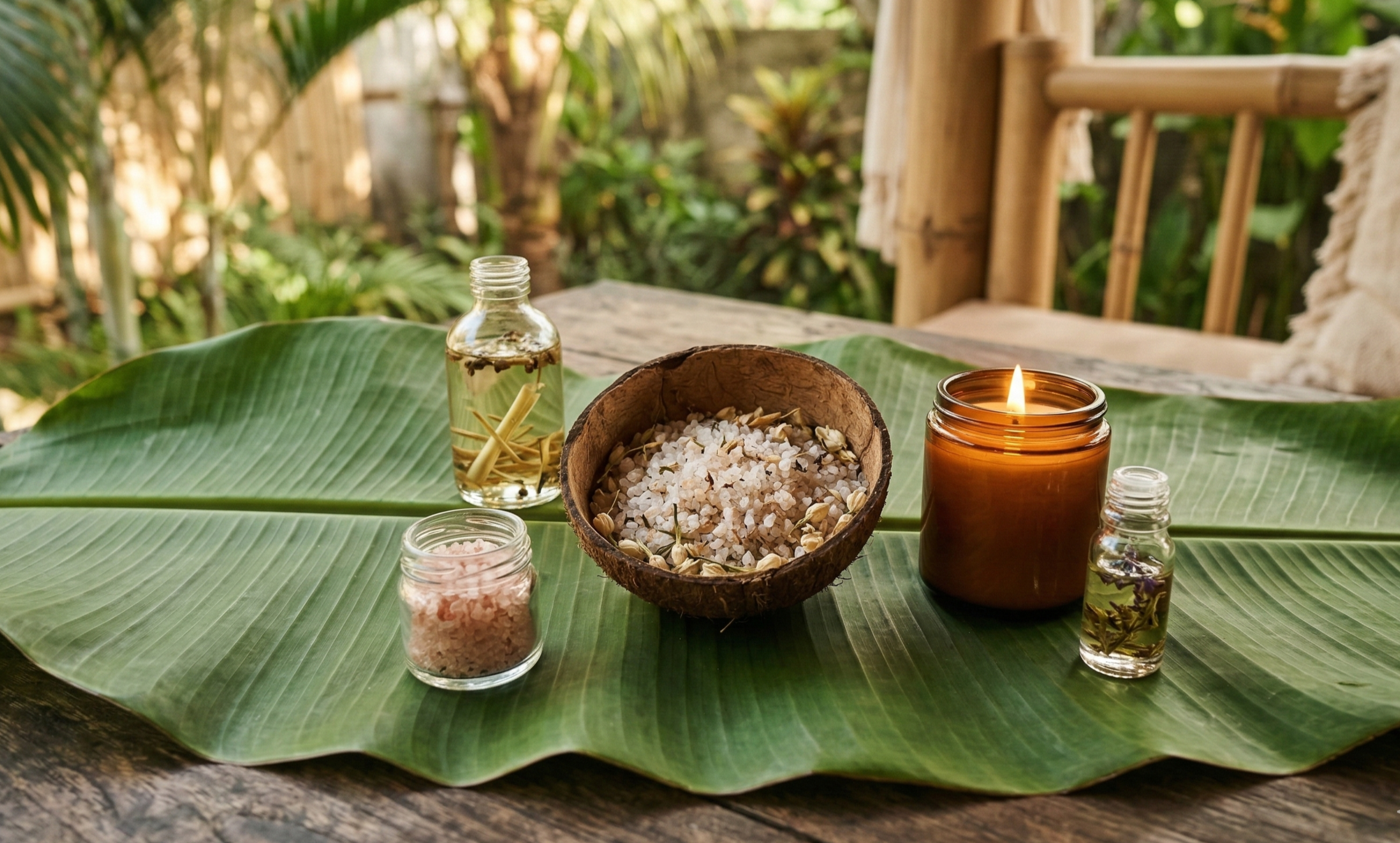
Medicinal baths made with aromatic herbs
Infused oils used for massage or healing rituals
These practices reflected a broader philosophy: that wellness could be supported through everyday interaction with nature.
Preservation of Traditional Knowledge
In recent decades, Filipino herbal medicine has gained renewed recognition both culturally and scientifically. Government health programs, research institutions, and cultural organizations have worked to document traditional plant knowledge while studying their medicinal properties.
This effort helps ensure that the Philippines’ rich botanical heritage continues to inform modern health practices while honoring indigenous traditions.
The Living Legacy of Filipino Botanicals
Even as modern medicine becomes more widespread, traditional plant remedies remain deeply embedded in Filipino culture. Herbal teas are still brewed in homes across the country. Medicinal plants are still grown in family gardens. And traditional healers continue to pass their knowledge to younger generations.
These botanical traditions represent more than alternative medicine; they are expressions of the Philippines’ enduring relationship with the natural world.
Related Reading



About Halik
Halik is a clean luxury skincare brand inspired by Filipino botanicals and the healing power of natural ingredients.
All Halik products are formulated without harmful chemicals, parabens, phthalates, sulfates and synthetic fragrances.
