
Batok: The Sacred Tradition of Filipino Hand-Tapped Tattoos
Batok is a traditional Filipino tattoo practice that uses hand-tapping tools to embed symbolic designs into the skin. Practiced for centuries across the Philippines, batok tattoos historically represented identity, achievements, lineage, and spiritual protection, and were applied through ritual by cultural practitioners known as mambabatok.
Across the islands of the Philippines, long before colonization and modern tattoo machines, many Filipino communities practiced a sacred form of tattooing known as batok. These hand-tapped tattoos were more than decoration; they were living records of identity, achievements, and ancestry.
Batok is one of the most visually striking and culturally significant traditions of pre-colonial Filipino society. Today, it is experiencing a revival among cultural practitioners, historians, and members of the Filipino diaspora who seek to reconnect with ancestral knowledge.
What Is Batok?
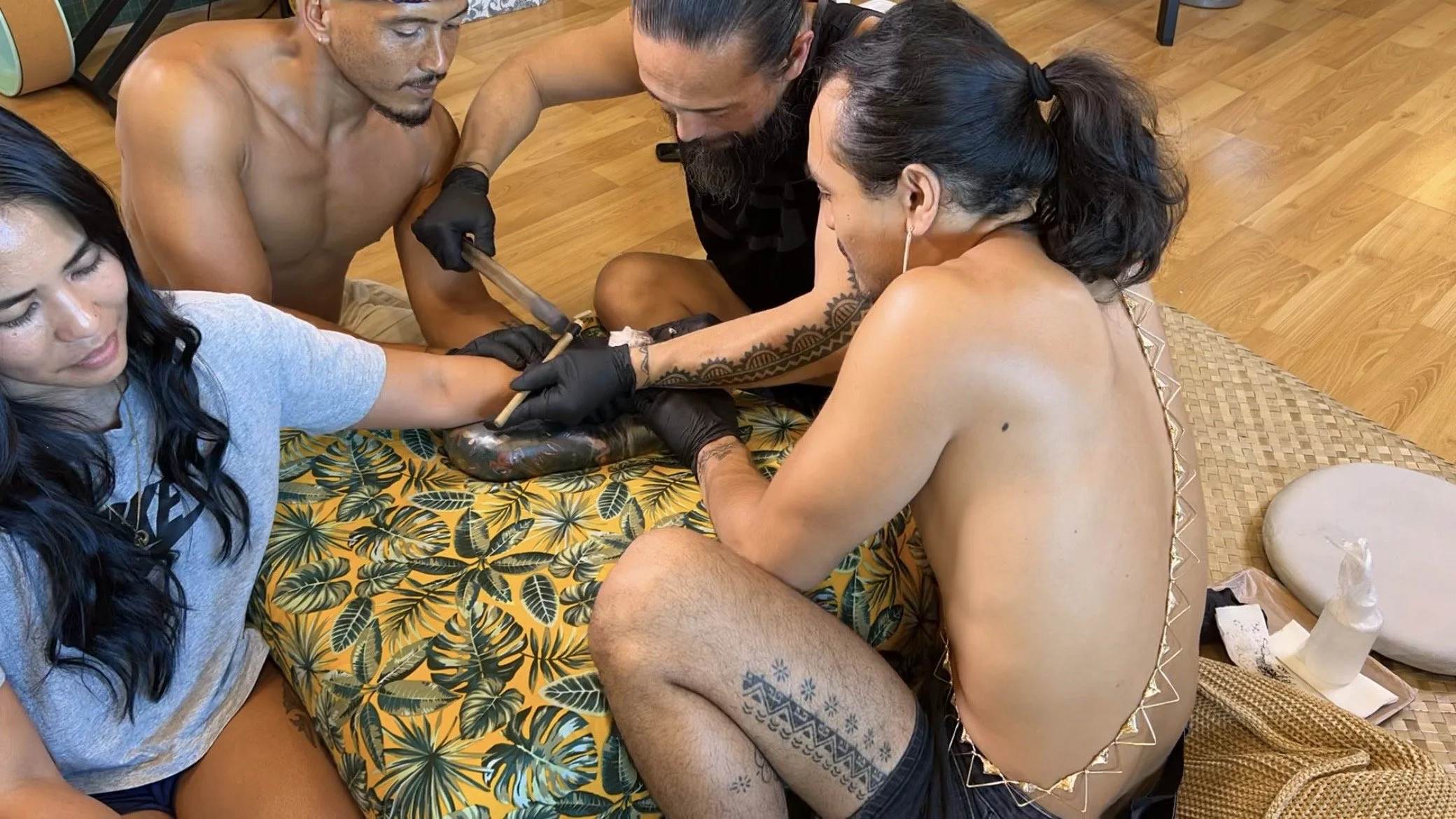
Batok (also spelled batek, patik, batuk, and other variations depending on region and language) refers to traditional hand-tapped tattoos practiced among many indigenous groups across the Philippine archipelago. Unlike modern tattooing, which uses electric machines, batok is created using handmade tools, typically a sharpened thorn, bone or needle attached to a stick, which is then tapped into the skin using a small mallet.
Each tattoo is applied through rhythmic tapping that deposits ink beneath the skin, creating geometric patterns, animals, and symbolic motifs.
Historically, these tattoos served as:
Markers of identity and lineage
Records of achievements or rites of passage
Symbols of beauty or status
Spiritual protection
Among many groups, tattoos were considered so important that they were worn proudly as visible expressions of one’s life story.
The “Painted Ones” of the Philippines
When Spanish explorers first arrived in the 16th century, they encountered heavily tattooed communities in the Visayas. Because of their intricate body markings, the Spanish referred to these islands as “Las Islas de los Pintados” – the Islands of the Painted Ones.
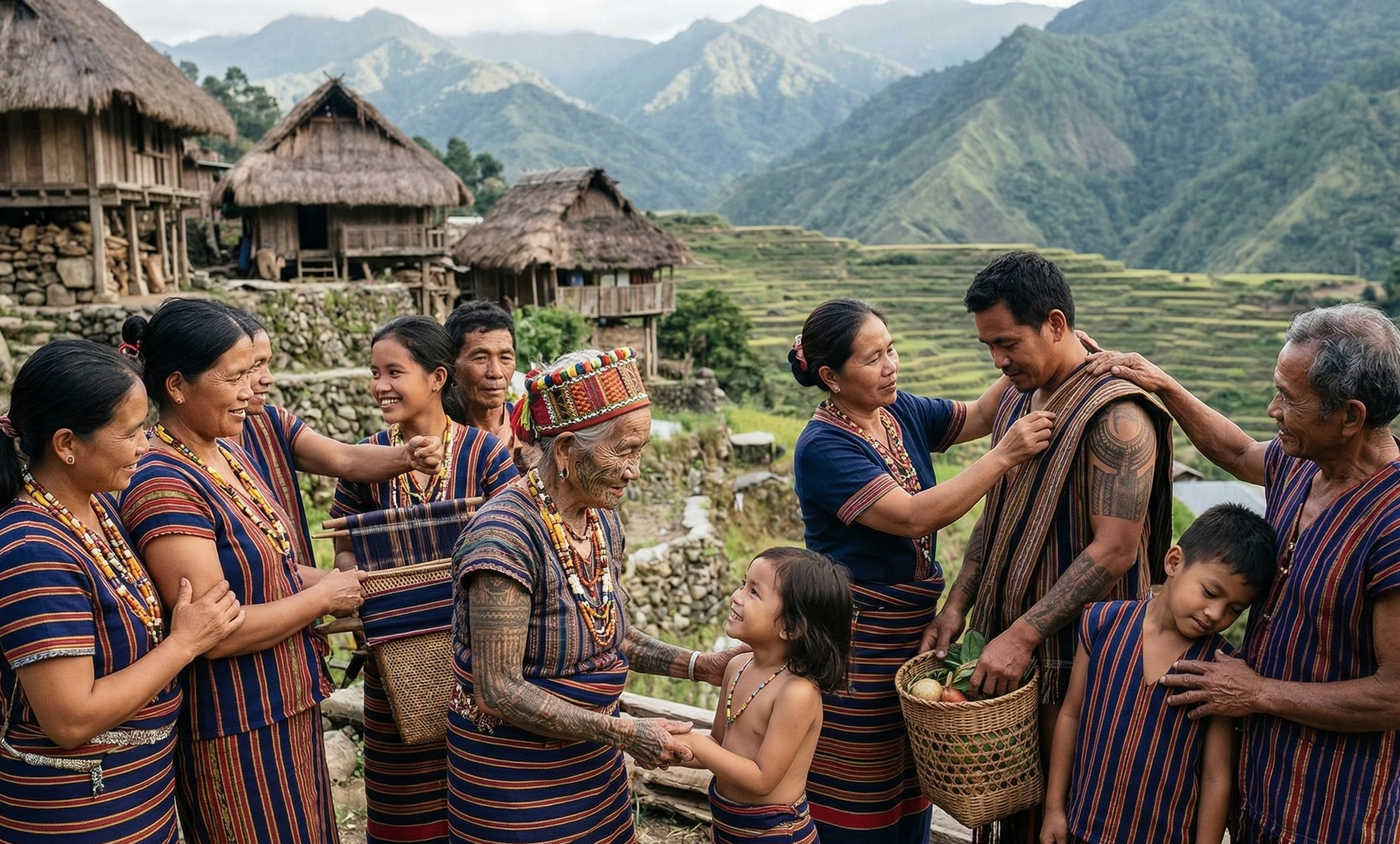
Tattooing was widely practiced among numerous ethnic groups across the archipelago, including the Visayan, Kalinga, Ibaloi, Manobo, and others. Both men and women received tattoos, though designs and placement varied by gender, status, and community traditions.
For warriors, tattoos could signify bravery in battle. For women, they could represent maturity, beauty, or community status. Rather than random designs, tattoos often followed a sequence tied to life events, meaning a person’s body gradually became a visual record of their journey through life.
Ritual, Prayer, and Spiritual Meaning
Batok was never simply an artistic practice—it was a ritual. The tattooing process traditionally included chants, prayers, and offerings to ancestors.
The practitioner, known as a mambabatok, held an important cultural role in the community. The process of tattooing could involve:
Ritual blessings before the tattoo began
Symbolic chants during the tapping process
Offerings of food or goods
Spiritual invocations connected to the tattoo’s meaning
These elements emphasized that tattoos were not merely aesthetic choices—they were sacred markings embedded with cultural and spiritual significance.
The Role of the Mambabatok
Traditional tattoo artists, or mambabatok, were more than technicians—they were cultural knowledge keepers. Each practitioner typically learned through family lineage or apprenticeship and possessed deep knowledge of symbolism, history, and ritual.
One modern cultural practitioner helping preserve this tradition is Manong Lane Wilcken, a researcher and mambabatok who has spent decades studying Filipino and Austronesian tattoo traditions. His work draws on oral histories, cultural research, and cross-Pacific traditions to restore understanding of these ancestral practices.
Wilcken emphasizes that traditional tattoos historically were not chosen by the recipient. Instead, designs were assigned based on lineage, community traditions, and personal achievements—making the tattoos a form of cultural storytelling embedded in the body.
Apo Whang-od and the Survival of Batok
In recent years, global attention has turned to Whang-od Oggay, a renowned tattoo artist from the Kalinga region of northern Luzon. Often described as the oldest practicing mambabatok, Whang-od learned the art from her father and has tattooed generations of visitors using traditional techniques involving citrus thorns and charcoal-based ink.
Her work has helped introduce batok to international audiences while inspiring renewed interest in indigenous Filipino cultural traditions. Importantly, Whang-od has also trained younger practitioners, ensuring the continuation of the art form for future generations.
Colonization and Cultural Loss
Like many indigenous traditions in the Philippines, batok nearly disappeared during the colonial period. Spanish missionaries discouraged tattooing as part of their efforts to convert local populations to Christianity. Over time, many communities abandoned tattooing as colonial values reshaped Filipino society.
By the 20th century, the practice had largely vanished in many regions, surviving primarily in remote mountain communities. Today, cultural scholars and practitioners are working to revive and document these traditions before they are lost.
A Living Cultural Archive
One of the most powerful aspects of batok is how it functions as a form of memory. Traditional tattoo designs often mirror patterns found in weaving, pottery, and other forms of indigenous Filipino art. This means the tattoos themselves are part of a broader cultural language – one that spans clothing, architecture, crafts, and storytelling.
In many ways, batok represents a living archive of Filipino identity, carried directly on the body.
Cultural Revival and the Filipino Diaspora
In recent years, there has been a growing movement among Filipinos around the world to reconnect with pre-colonial cultural traditions. For members of the diaspora especially, batok can serve as a powerful symbol of cultural pride and ancestral connection. Workshops, lectures, cultural festivals, and tattoo demonstrations, often led by cultural practitioners, help educate people about the deeper meanings behind these traditions.
Rather than being viewed as simply “tribal tattoos,” batok is increasingly understood as part of a broader effort to reclaim and honor Filipino indigenous knowledge.
Why Batok Matters Today
Batok is more than a tattoo tradition—it is a reminder of the Philippines’ rich pre-colonial heritage. It reflects a worldview where identity, spirituality, artistry, and community were deeply intertwined.
As Filipino culture continues to evolve globally, traditions like batok offer a way to reconnect with ancestral knowledge while ensuring these practices are preserved with respect and understanding.
FAQ: Filipino Batok Tattoos
What does “batok” mean?
Batok refers to traditional Filipino hand-tapped tattoos practiced by indigenous communities throughout the Philippines. The term varies by language and region but generally refers to ancestral tattoo markings applied using tapping tools.
How are batok tattoos different from modern tattoos?
Batok tattoos are created by tapping ink into the skin using handmade tools such as thorns or needles attached to wooden sticks. Modern tattoos use electric machines. Traditional batok also includes ritual elements such as prayers, chanting, and cultural symbolism.
Were batok tattoos only for warriors?
Not always. While some tattoos marked bravery or success in battle, others signified beauty, maturity, social status, or important life milestones. Both men and women received tattoos in many communities.
Is batok still practiced today?
Yes. While the practice declined during colonial periods, it has experienced a revival through cultural practitioners, scholars, and indigenous tattoo artists who continue to preserve the tradition.
The key to making things happen isn’t waiting for the perfect moment; it’s starting with what you have, where you are. Big goals can feel overwhelming when viewed all at once, but momentum builds through small, consistent action. Whether you’re working toward a personal milestone or a professional dream, progress comes from showing up — not perfectly, but persistently. Action creates clarity, and over time, those steps forward add up to something real.
You don’t need to be fearless to reach your goals, you just need to be willing. Willing to try, willing to learn, and willing to believe that you’re capable of more than you know. The road may not always be smooth, but growth rarely is. What matters most is that you keep going, keep learning, and keep believing in the version of yourself you’re becoming.
Related Reading

About Halik
Halik is a clean luxury skincare brand inspired by Filipino botanicals and the healing power of natural ingredients.
All Halik products are formulated without harmful chemicals, parabens, phthalates, sulfates and synthetic fragrances.
