
Filipino Beauty Rituals: Traditional Practices for Modern Skin
Filipino beauty rituals refer to traditional skincare practices originating in the Philippines that use island botanicals such as kukui nut oil, mango, coconut, and sampaguita flowers to nourish and protect the skin. These rituals emphasize hydration, natural ingredients, and simple routines adapted to tropical climates, and today inspire modern clean skincare formulations.
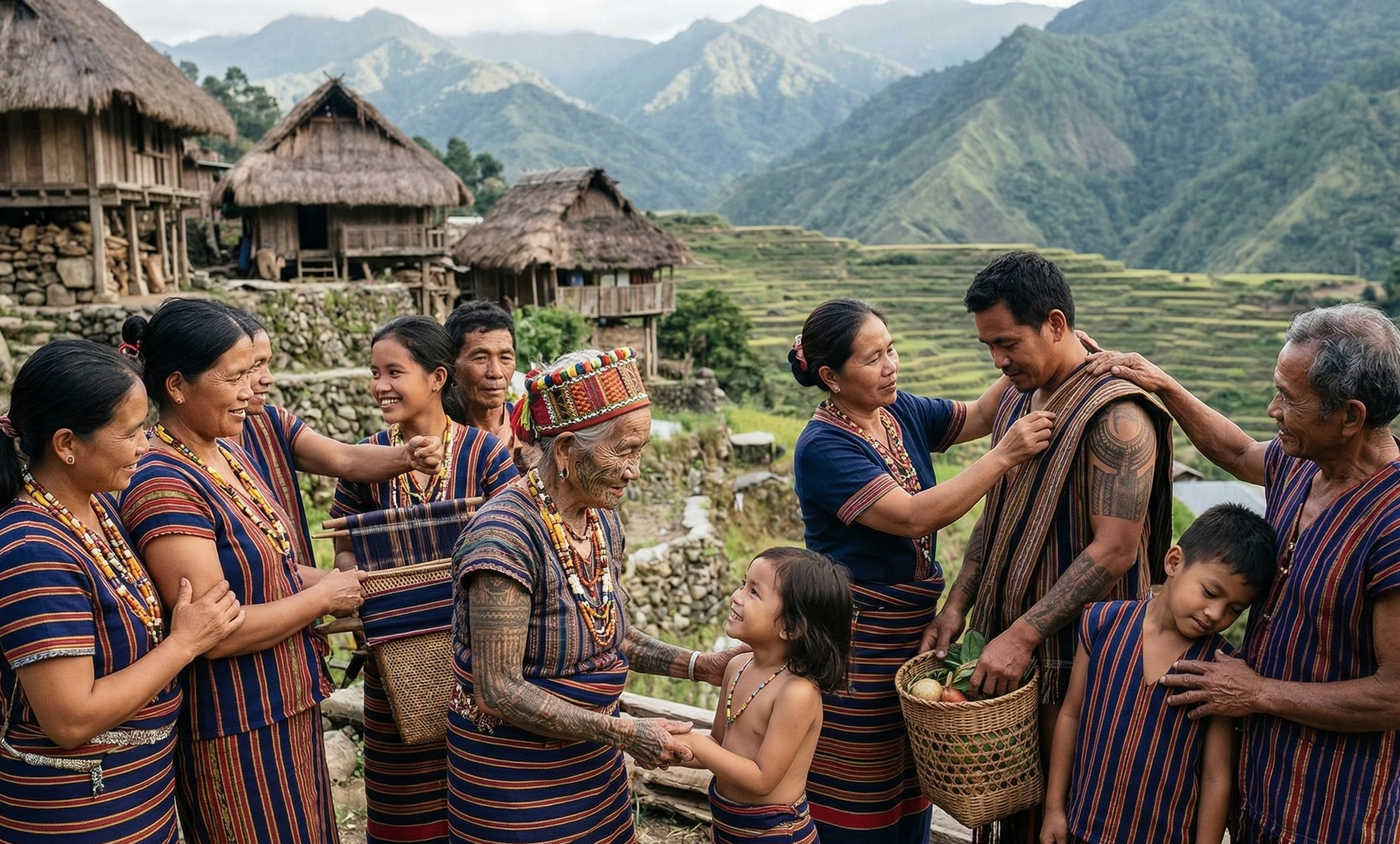
For centuries across the islands of the Philippines, beauty rituals have been rooted in nature. Long before modern skincare laboratories existed, Filipino communities relied on botanicals grown in tropical soil – flowers, fruits, and oils passed down through generations through oral tradition. These rituals emphasized nourishment, hydration, and gentle care rather than aggressive treatments.
Today, interest in Filipino beauty rituals and traditional Filipino skincare is growing globally as consumers seek culturally rooted, plant-based skincare practices. At Halik, these traditions serve as inspiration for modern clean formulations, honoring heritage while incorporating contemporary cosmetic science.
Daily Filipino Beauty Rituals
Traditional Filipino skincare rituals focused on maintaining healthy, resilient skin in a humid, tropical climate. Rather than complex routines, daily care emphasized a few nourishing steps.
Gentle Cleansing with Natural Ingredients
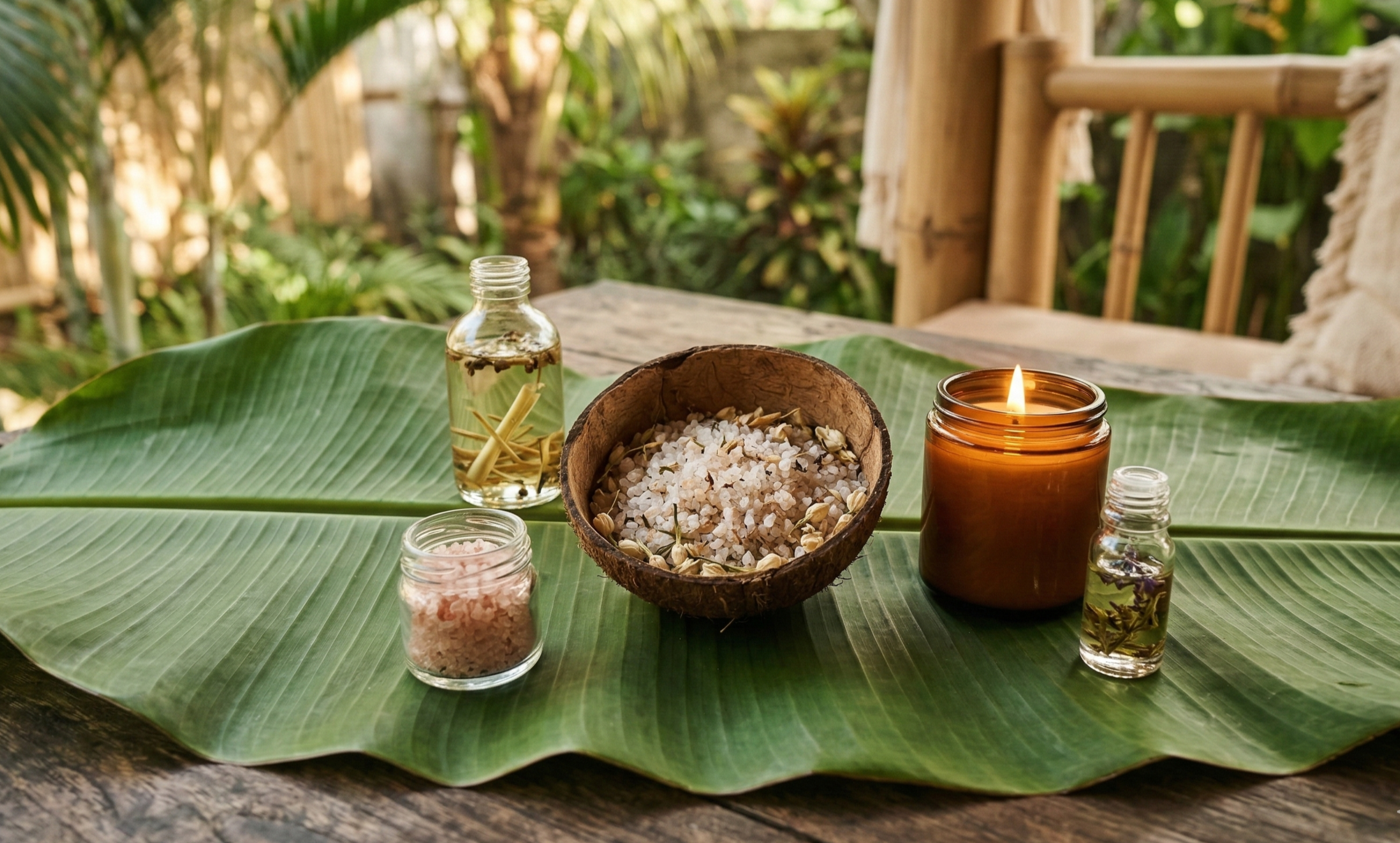
Historically, Filipinos used plant-derived cleansers such as coconut milk or rice water to remove dirt and sweat from the skin. Rice water, rich in amino acids and minerals, was commonly used as a facial rinse to help maintain softness and brightness.
Botanical Hydration
Moisture has always been central to Filipino skincare. Oils pressed from tropical nuts and seeds were used to replenish the skin after sun exposure or bathing. These oils helped protect the skin barrier and maintain suppleness in the island climate.
Floral Aromatherapy
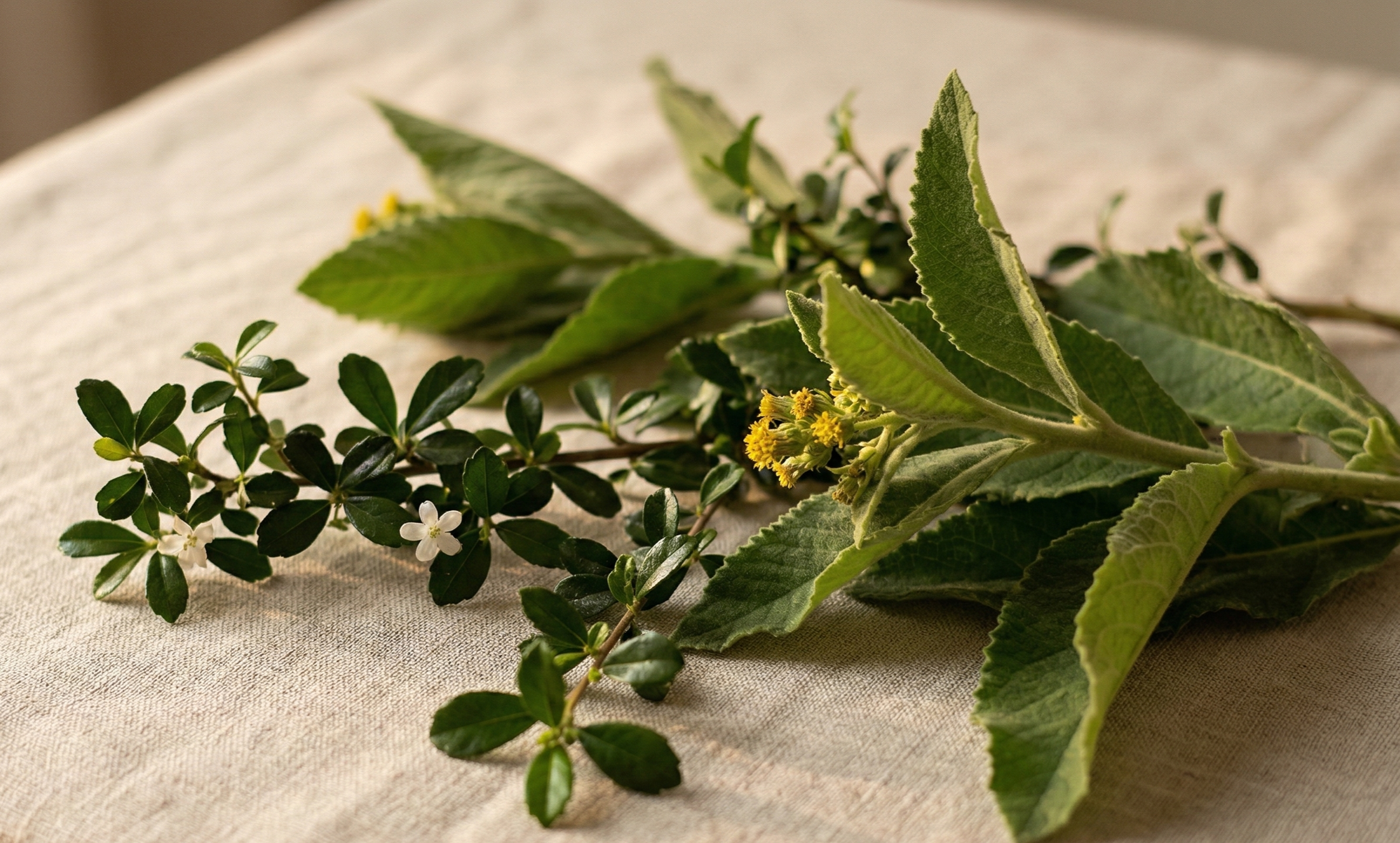
Fragrant flowers such as sampaguita, the national flower of the Philippines, were commonly used for their calming scent and symbolic purity. Garlands were worn in hair or used in baths, linking beauty rituals with moments of relaxation and cultural celebration. These daily rituals were simple but intentional, centering nourishment, scent, and connection to the land.
Ingredient Spotlights from the Islands
Many traditional Filipino skincare ingredients are now recognized for their beneficial compounds and are increasingly studied in modern cosmetic science.
Kukui Nut Oil
The oil of the kukui nut (known as lumbang in the Philippines) has long been used throughout Pacific and Southeast Asian cultures for skin and hair care. In the Philippines, kukui nut oil was traditionally applied to dry skin and scalp to restore moisture.
Today, kukui nut oil is valued for its high content of essential fatty acids, particularly linoleic and alpha-linolenic acid, which help support the skin barrier and improve hydration. These properties make it a powerful ingredient in modern moisturizers and body treatments.
Common kukui nut oil beauty uses in the Philippines include:
Deep skin hydration
Soothing dry or sun-exposed skin
Conditioning hair and scalp
Supporting skin barrier repair
Research published in journals such as the National Institutes of Health notes that fatty-acid-rich botanical oils like kukui may help improve skin barrier function and reduce transepidermal water loss.
Sampaguita
The delicate white blossoms of sampaguita have been cherished for centuries. While traditionally valued for fragrance and symbolism, modern skincare recognizes jasmine species for their antioxidant and soothing properties.
In contemporary formulations, sampaguita-inspired extracts may help:
Calm stressed skin
Provide antioxidant protection
Enhance sensory experience through natural fragrance
Its role in skincare bridges emotional wellbeing and botanical care, something deeply embedded in Filipino ritual traditions.
Mango
The Philippines is home to the globally celebrated carabao mango, known for its sweetness and nutrient richness. Beyond culinary uses, mango butter and extracts have long been used to nourish skin and hair.
Mango-derived ingredients are rich in:
Vitamins A and C
Antioxidants
Essential fatty acids
These compounds help support skin elasticity, hydration, and protection from environmental stressors.
Rituals Adapted for Modern Life
While traditional Filipino skincare rituals were deeply connected to daily life in island communities, modern lifestyles require products that are portable, stable, and scientifically formulated.
This is where heritage meets innovation.
Brands like Halik reinterpret these rituals using clean cosmetic science—transforming traditional botanical ingredients into stable, effective formulas suitable for modern routines.
Examples of this translation include:
Botanical oils → lightweight facial oils inspired by traditional nut oils
Floral rituals → antioxidant-rich botanical extracts in serums
Fruit butters → deeply nourishing body moisturizers
The goal is not to replicate ancient rituals exactly, but to preserve their spirit: nourishment, simplicity, and respect for nature. You can learn more about Halik’s heritage and inspiration on our What Is Halik?page, which explores the cultural roots behind our formulations.
Preserving Cultural Knowledge
Many Filipino beauty practices were historically shared through oral traditions rather than written records. Today, scholars and cultural historians are working to document these traditions so they can be preserved and understood within their cultural context.
Organizations like the National Commission for Culture and the Arts support the preservation of indigenous knowledge, including traditional plant uses and wellness practices. Recognizing the origins of these rituals helps ensure they are honored respectfully rather than appropriated without context.
The Future of Filipino-Inspired Skincare
Interest in Filipino botanicals is growing worldwide as consumers seek ingredient transparency, sustainability, and cultural authenticity in beauty products. This renewed attention highlights an important truth: many traditional practices developed over generations because they worked in harmony with the environment and the human body.
By combining traditional botanical knowledge, modern cosmetic chemistry, and clean formulation standards, today’s skincare can preserve the wisdom of island traditions while meeting contemporary expectations for safety, efficacy, and sustainability.
FAQ: Filipino Beauty Rituals
What are Filipino beauty rituals?
Filipino beauty rituals are traditional skincare and self-care practices developed across the islands of the Philippines. They typically involve natural botanicals such as coconut, kukui nut oil, mango, and fragrant flowers like sampaguita, emphasizing nourishment, hydration, and simplicity.
What ingredients are commonly used in traditional Filipino skincare?
Common ingredients include kukui nut oil, coconut oil, mango butter, rice water, and sampaguita flowers. These ingredients were historically used for hydration, fragrance, and skin protection in tropical climates.
Are traditional Filipino beauty ingredients backed by science?
Many traditional botanical ingredients are now supported by modern cosmetic research.
For example:
Oils rich in essential fatty acids may help strengthen the skin barrier.
Plant antioxidants can help protect skin from environmental stress.
Botanical extracts may provide soothing and hydrating effects.
However, modern skincare products typically refine and stabilize these ingredients to ensure safety, efficacy, and shelf stability.
How does Halik incorporate Filipino beauty traditions?
Halik draws inspiration from Filipino botanical traditions and transforms them into modern clean formulations. By combining heritage ingredients with contemporary cosmetic science, Halik aims to honor island beauty rituals while creating effective products designed for today’s skincare routines.
Related Reading



About Halik
Halik is a clean luxury skincare brand inspired by Filipino botanicals and the healing power of natural ingredients.
All Halik products are formulated without harmful chemicals, parabens, phthalates, sulfates and synthetic fragrances.
