
Ingredient Spotlight: Mango Butter – Science, Uses & Why We Love It
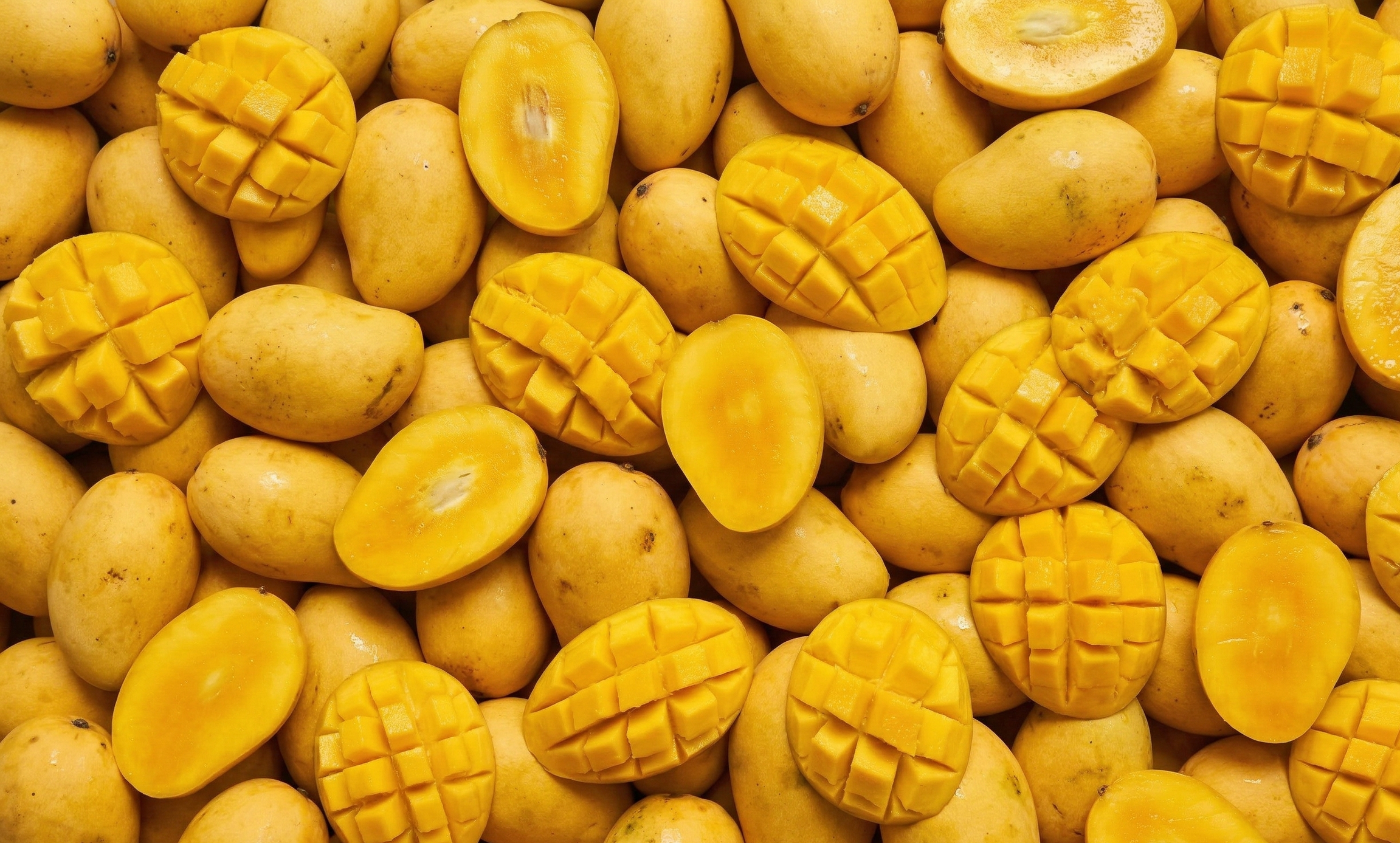
Mango butter is a plant fat pressed from the kernel of the mango seed, rich in oleic and stearic fatty acids that hydrate skin and reinforce the barrier without heaviness. The Philippines grows the carabao mango, recognized as the world's sweetest mango variety, giving this ingredient a place in Halik's story that goes beyond formulation. Peer-reviewed research backs its emollient and barrier-repair properties, and it appears in the Halik Lip Balm, Paradise Whipped Body Butter, and Liyah Hair Texturizing Cream.
Before mango butter had an INCI name, the mango tree had a home in nearly every Filipino backyard. The carabao mango, named for the water buffalo that shares its homeland, holds the Guinness World Record for the sweetest mango on Earth. Filipino households have eaten it green with bagoong and ripe off the tree for generations, and the seed, usually discarded, holds a fat that quietly does as much for skin as the fruit does for flavor.
Mango butter is extracted from that seed. It's semi-solid at room temperature, nearly odorless, and melts on contact with skin. At Halik, it's a hero ingredient in the Halik Lip Balm, Paradise Whipped Body Butter, and Liyah Hair Texturizing Cream, chosen for what its fatty acid profile actually does, not just for the story behind it.
What Mango Butter Is, and Where It Comes From
Mango butter comes from the kernel inside the mango seed, extracted through cold pressing or solvent extraction, then filtered and refined into a smooth, spreadable fat. Peer-reviewed analysis of mango seed oil from different growing regions found oleic acid and stearic acid as the two dominant fatty acids, together making up more than 80 percent of the fat's composition, with palmitic and linoleic acids present in smaller amounts.
That balance matters. Oleic acid is a monounsaturated fatty acid that softens skin and helps other ingredients absorb more effectively. Stearic acid is a saturated fatty acid that gives body butters their structure while helping seal moisture at the skin's surface. Mango butter also carries natural phytosterols and polyphenols, plant compounds tied to its antioxidant and anti-inflammatory activity.
What the Research Says
A study published in the peer-reviewed Journal of Applied Pharmaceutical Science formulated a foot cream around mango butter and tested it in both animal wound models and a human clinical case study. Researchers found complete repair of worn, cracked skin across all human volunteers, along with measurable wound-healing activity in the animal models. The same research described mango butter as biocompatible, meaning it worked in harmony with skin without disrupting its natural function.
A separate review in Applied Sciences examined the broader family of plant butters, including mango, shea, sal, and kokum, and noted their shared ability to rebuild a protective, occlusive barrier on the skin's surface, a mechanism that helps explain why mango butter performs so well in dry, compromised skin. This lines up with what Halik formulates for: barrier support that's grounded in the fat's actual chemistry, not just a marketing claim.
What Mango Butter Does for Skin
Restores the barrier without heaviness. Mango butter's fatty acids integrate into the skin's outer layer, helping it hold onto moisture instead of losing it to the air. Because oleic acid makes up a large share of the fat, it absorbs faster than heavier butters and leaves a lighter finish.
Softens rough or depleted texture. Regular use helps smooth dry, flaky patches by replenishing the lipids that skin loses through weather, cleansing, and age.
Supports skin already under stress. The antioxidant compounds in mango butter, including polyphenols and vitamin E, help defend skin against the everyday oxidative load of sun and pollution.
Works well on reactive skin. Mango butter is considered low to moderate on the comedogenic scale and is generally well tolerated, which is part of why it shows up in formulas for lips, body, and even pet paw balms.
Mango Butter Compared to Other Plant Butters
Mango butter vs. shea butter. Shea butter is heavier and more occlusive, better suited to very dry or cracked skin that needs a thick seal. Mango butter absorbs faster and feels lighter, making it easier to layer into daily formulas.
Mango butter vs. cocoa butter. Cocoa butter is firmer and more strongly scented. Mango butter delivers similar structure with a lighter texture and a nearly neutral smell, which is part of why formulators reach for it in fragrance-forward or unscented products.
The right butter depends on the job. Halik pairs mango butter with cupuaçu, shea, and kukui nut oil across different formulas depending on how rich or light the finish needs to be.
How Halik Formulates With Mango Butter
Mango butter is a hero ingredient in three current Halik formulas:
Halik Lip Balm, where it melts into lips with a creamy, cushioning weight alongside lanolin and passionfruit seed oil.
Paradise Whipped Body Butter, where it anchors the formula's signature richness alongside cupuaçu, kukui nut, and açaí.
Liyah Hair Texturizing Cream, where it helps smooth and condition strands as part of a styling formula built around natural texture support.
FAQ
-
Mango butter hydrates, softens, and helps reinforce the skin's barrier. Its fatty acids integrate into the skin's outer layer to slow moisture loss while still absorbing lighter than heavier butters like shea or cocoa.
-
Yes. Its high concentration of oleic and stearic acid makes it effective for restoring lipids that dry skin has lost, and a peer-reviewed foot cream study found it supported measurable skin repair in both animal and human testing.
-
Mango butter is generally considered low to moderate on the comedogenic scale, meaning it's unlikely to clog pores for most skin types when formulated in balanced amounts.
-
The Halik Lip Balm, Paradise Whipped Body Butter, and Liyah Hair Texturizing Cream contain mango butter as a key ingredient.
-
Mango butter offers a lighter, faster-absorbing alternative to heavier butters while still delivering meaningful barrier support, which makes it well suited to formulas that need richness without weight.
Sources
Bhattacharya K, Shukla VK. "Formulation and Evaluation of Exotic Fat Based Cosmeceuticals for Skin Repair." PMC.
Nomura M, et al. "Evaluation of the Fatty Acid Composition of the Seeds of Mangifera indica L. and Their Application." Journal of Oleo Science, 2015. PubMed.
"Promising Features of Mango (Mangifera indica L.) Kernel Oil: A Review." PMC.
Wikipedia contributors. "Carabao Mango." Wikipedia, The Free Encyclopedia.
About Halik
Halik is a clean luxury skincare brand inspired by Filipino botanicals and the healing power of natural ingredients.
All Halik products are formulated without harmful chemicals, parabens, phthalates, sulfates and synthetic fragrances.
