
The Best DEET-Free Insect Repellents That Actually Work
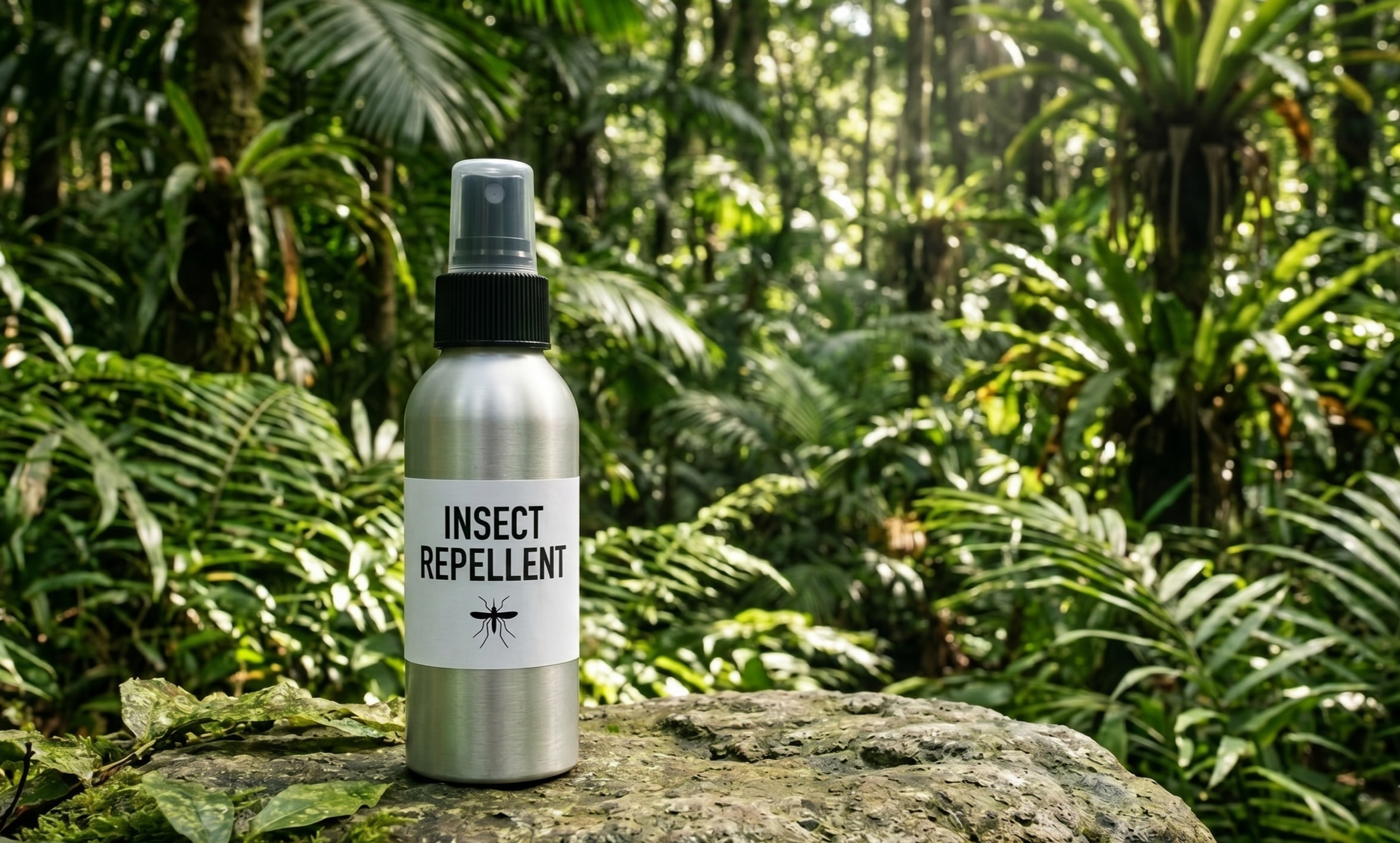
For years, DEET was considered the gold standard of insect protection. It works – no one argues that. But growing awareness of its potential effects on the nervous system, its tendency to melt plastics, and its harsh feel on skin have sent consumers searching for alternatives that don't come with a tradeoff. The good news: there are genuinely effective DEET-free options on the market today. Here's what to look for and the best products worth trying.
Why Go DEET-Free?
DEET (N,N-diethyl-meta-toluamide) has been in use since the 1940s. It's effective, but it's also a known irritant for some people, especially children, and there are ongoing questions about its environmental impact, particularly on aquatic ecosystems. Reef-safe and eco-conscious consumers have pushed the market toward plant-derived alternatives and formulation science has caught up.
The key is knowing which botanical ingredients actually have evidence behind them, and which are mostly wishful thinking.
What Makes a DEET-Free Repellent Actually Work?
Not all natural repellents are created equal. The most effective ones rely on a combination of ingredients that work through different mechanisms, like disrupting insects' sensory navigation, masking the body's natural scent cues, or making the skin environment inhospitable. The best formulas layer multiple actives rather than relying on a single ingredient at a low concentration.
Ingredients with solid evidence behind them include:
Citronella oil — one of the most studied natural repellents; effective when properly concentrated
Peppermint oil — disrupts olfactory navigation in mosquitoes and other insects
Cedarwood oil — broad-spectrum insecticidal properties; effective against mosquitoes, ticks, and fleas
Lemon eucalyptus oil (OLE) — the only plant-based active currently recommended by the CDC for tick and mosquito protection
Picaridin — a synthetic compound derived from pepper plants; widely considered the most effective DEET alternative
The Best DEET-Free Insect Repellents
1. Buggin' Out Insect Repellent by Halik
Best for: Everyday use, reef-safe formulas, endocrine-conscious consumers
Buggin' Out leads with a triple-active botanical core: citronella, peppermint, and cedarwood, carried in a witch hazel and jojoba base. Each of the three actives works on a different sensory pathway, so insects have fewer workarounds. The witch hazel base acts as a natural astringent that disperses the botanicals evenly across the skin and dries quickly without residue.
What sets this one apart is the formulation philosophy. Buggin' Out is DEET-free, reef-safe, and explicitly formulated to be endocrine-safe, which is a meaningful distinction in a category where many "natural" sprays still include synthetic fragrance compounds or hormone-disrupting preservatives. The added benefit of citronella's skin-toning and antibacterial properties and peppermint's anti-inflammatory cooling effect means this one does more than just repel.
Available at shophalik.com
2. Sawyer Products Premium Insect Repellent with 20% Picaridin
Best for: Longer outdoor excursions, tick-heavy environments
Picaridin is arguably the strongest DEET-free alternative on the market. Odorless, non-greasy, and compatible with plastics and synthetics (unlike DEET), the Sawyer 20% Picaridin formula offers protection for up to 12 hours against mosquitoes and up to 8 hours against ticks. It's a go-to recommendation from outdoor health organizations for travel to high-risk areas and is safe for use on children 2 and older.
3. Repel Plant-Based Lemon Eucalyptus Insect Repellent
Best for: CDC-recommended protection without DEET
Oil of lemon eucalyptus (OLE) is the only plant-derived ingredient to receive a CDC recommendation for use in areas with mosquito-borne disease risk. Repel's lemon eucalyptus spray uses 30% OLE and provides up to 6 hours of protection. Note that OLE is not the same as lemon eucalyptus essential oil; the refined extract is significantly more effective. Not recommended for children under 3.
4. Murphy's Naturals Lemon Eucalyptus Oil Insect Repellent Spray
Best for: Clean ingredient lists, everyday outdoor use
Another OLE-based option with a cleaner formula than many drugstore alternatives. Murphy's uses a 10% OLE concentration, making it a gentler option with slightly shorter protection windows, but well-suited for backyard use, walks, and activities with lower exposure risk. The brand prioritizes minimal ingredients and eco-conscious packaging.
5. Badger Anti-Bug Balm
Best for: Kids, sensitive skin, application control
A solid choice for families looking for a balm rather than a spray. Badger's Anti-Bug Balm uses citronella, rosemary, and wintergreen as its active complex, all in an organic beeswax and sunflower oil base. The balm format allows for precise application, which is helpful for treating wrists, ankles, and the back of the neck without overspray. DEET-free, certified organic, and approved for use on children.
Tips for Getting the Most Out of a DEET-Free Repellent
Apply before you go outside. Most botanical repellents benefit from a 10-minute window to fully absorb and activate before exposure begins.
Reapply more frequently. Natural formulas generally require reapplication every 2–4 hours in high-exposure conditions, compared to 6–12 hours for higher concentrations of DEET or picaridin.
Layer your strategy. Repellent works best alongside other precautions: light, long-sleeved clothing in wooded areas, checking for ticks after outdoor activity, and avoiding peak mosquito hours at dusk and dawn.
Store properly. Heat and light degrade botanical actives faster. Store natural repellents in a cool, dark place between uses.
The Bottom Line
DEET-free protection has come a long way. Whether you're reaching for a plant-based botanical spray for a summer evening or a high-concentration picaridin formula for international travel, there are effective options that don't require compromising on ingredient integrity. Look for formulas that layer multiple actives, use proper concentrations, and are transparent about what's actually in the bottle.
For clean, everyday protection that also respects the skin you're protecting, Buggin' Out Insect Repellent by Halik is one of the more thoughtfully formulated options in the natural repellent category: reef-safe, endocrine-safe, and built to do the work.
FAQ
-
It depends on the ingredient and the level of exposure risk. Picaridin at 20% offers comparable efficacy to DEET for most situations. Plant-based repellents using citronella, cedarwood, and lemon eucalyptus are effective for everyday use and lower-risk environments, though they may require more frequent reapplication.
-
DEET is considered safe by the EPA when used as directed. However, some individuals experience skin irritation, and there are concerns around its use near water systems and its effects on plastics and synthetic fabrics. Many consumers choose DEET-free alternatives as a precautionary measure, particularly for children.
-
The CDC recommends DEET (30% or less), picaridin, IR3535, or oil of lemon eucalyptus (OLE) for children 3 and older. Balm formats and lower-concentration botanical sprays like Badger Anti-Bug Balm are popular choices for younger children, but always check label guidance for age recommendations.
-
The CDC considers DEET and picaridin safe for use during pregnancy when used as directed. If you prefer a botanical option, consult your healthcare provider. Look for formulas that are explicitly endocrine-safe, avoid synthetic fragrance, and use minimal preservative systems.
-
A reef-safe repellent avoids ingredients known to harm coral reef ecosystems, including certain synthetic chemicals found in conventional formulas. This is particularly relevant for beachgoers and swimmers. Halik's Buggin' Out Insect Repellent is reef-safe and free of synthetic fragrance and hormone-disrupting compounds.
