
Sampaguita: Uses, Benefits, and Why It’s Special in Skincare
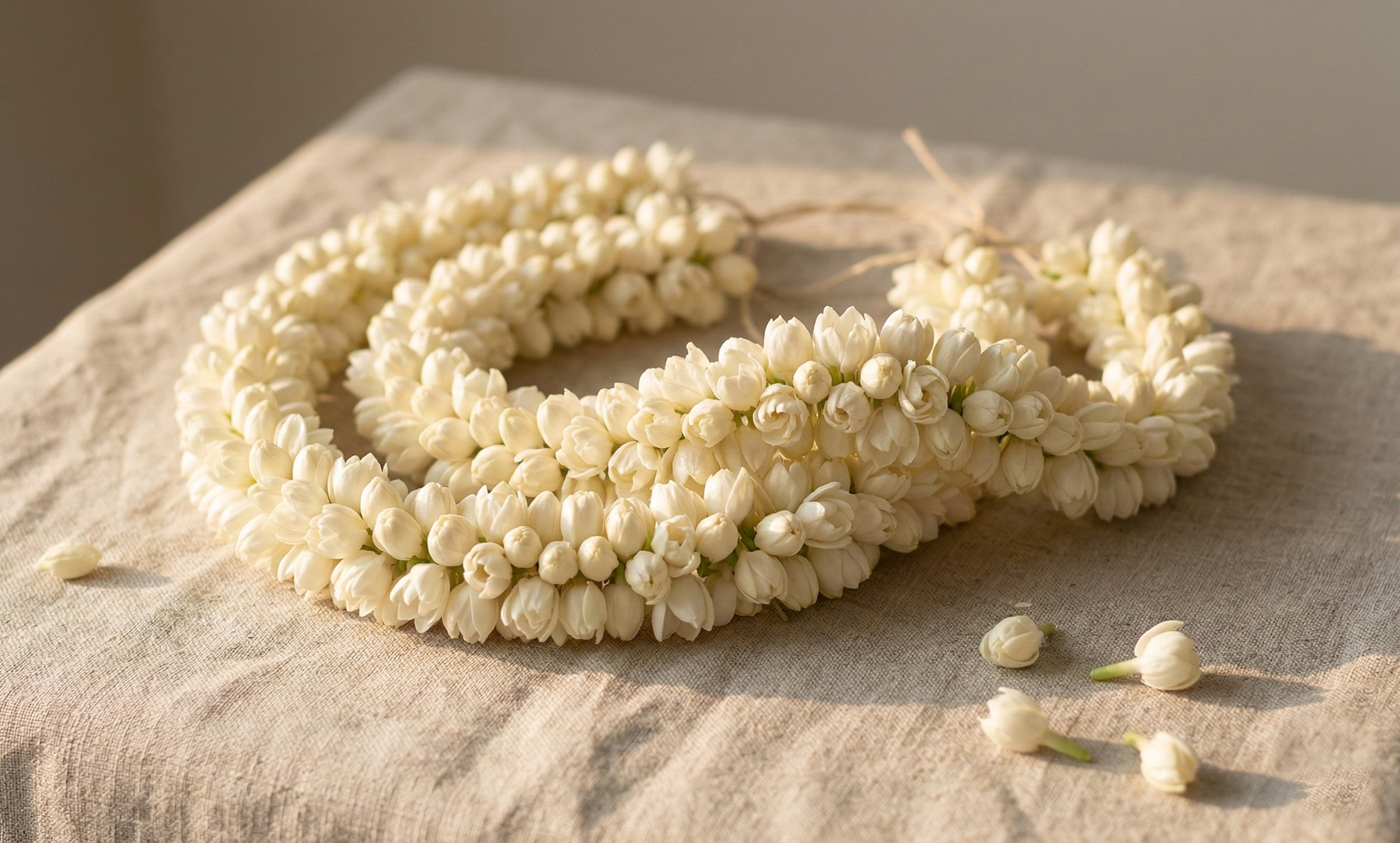
Sampaguita is a fragrant white flower (jasminum sambac) that is the national flower of the Philippines and is valued in skincare for its soothing botanical properties and delicate floral aroma.
What Is Sampaguita?
Sampaguita is a small white flower known for its delicate petals and sweet, calming fragrance. Scientifically classified as jasminum sambac, it is widely recognized as a type of jasmine and is the national flower of the Philippines. Beyond its cultural significance, sampaguita has long been valued for its soothing aroma and botanical skincare properties.
The Cultural Significance of Sampaguita
In the Philippines, sampaguita symbolizes purity, humility, and love. The flower is often woven into garlands used in:
Cultural ceremonies
Religious offerings
Welcoming traditions
Its gentle fragrance has also made it a favorite in traditional perfumes and oils. This cultural heritage continues to inspire modern skincare brands exploring Filipino botanical ingredients.
Skincare Benefits of Sampaguita
Like many jasmine varieties, sampaguita contains compounds that can benefit skin.
Antioxidant Properties
Sampaguita contains natural antioxidants that help protect skin from environmental stressors. Antioxidants can help support:
Healthy skin tone
Reduced appearance of dullness
Protection against environmental damage
Skin-Soothing Effects
Botanical extracts from jasmine flowers are known for their calming properties. These can help soothe skin that feels:
Dry
Irritated
Sensitive
Aromatherapy Benefits
The natural scent of sampaguita is known for its uplifting and relaxing qualities. This sensory aspect can transform skincare into a more mindful ritual.
Sampaguita in Botanical Skincare
Modern skincare formulators often incorporate jasmine extracts and oils to enhance both skin benefits and sensory experience.
Sampaguita works particularly well in products designed to support:
Skin hydration
Anti-aging routines
Nighttime skincare rituals
When combined with nourishing plant oils, it can help create formulations that support the skin barrier while delivering a calming fragrance.
How Halik Uses Sampaguita
At Halik, sampaguita plays a central role in our Sampaguita Anti-Aging Face Oil. This facial oil blends botanical ingredients chosen for their ability to support healthy, radiant skin. The inclusion of sampaguita reflects our mission to highlight natural ingredients inspired by Filipino heritage and island beauty traditions.
Each application delivers:
Deep nourishment from botanical oils
A soft, floral aroma
A luxurious nighttime skincare ritual
How to Use Sampaguita Oil in Your Routine
Facial oils containing sampaguita are typically used as the final step in a skincare routine.
Simple Night Routine
Cleanse skin
Apply toner or essence
Apply moisturizer
Massage a few drops of facial oil into skin
The oil helps seal in hydration while delivering botanical nutrients.
Frequently Asked Questions
Is sampaguita good for sensitive skin?
Yes. Jasmine-based botanicals are generally known for their gentle and soothing properties, making them suitable for many skin types.
Does sampaguita help with aging skin?
The antioxidants found in jasmine varieties can help support skin health and protect against environmental stress.
Does sampaguita smell like jasmine?
Yes. Sampaguita has a soft, sweet floral aroma similar to jasmine, though often lighter and more delicate.
A Flower with Beauty and Meaning
Sampaguita represents more than just a fragrance. It embodies cultural heritage, natural beauty, and botanical skincare tradition. By incorporating this cherished flower into modern formulations, Halik celebrates both nature and the rituals of island-inspired skincare.
About Halik
Halik is a clean luxury skincare brand inspired by Filipino botanicals and the healing power of natural ingredients.
All Halik products are formulated without harmful chemicals, parabens, phthalates, sulfates and synthetic fragrances.
